2026 Top Motor Winding Single Phase Options for Global Buyers?
In the rapidly evolving world of electrical engineering, "Motor Winding Single Phase" solutions have gained significant attention. As demand for efficient and reliable motors rises, buyers face an array of choices. Understanding the nuances of these options is crucial for making informed decisions.
Global buyers seek dependable single-phase winding solutions. These options cater to various applications, from household appliances to industrial machines. Each motor winding type has unique specifications and operational capacities. However, navigating this vast landscape can be challenging.
Buyers often overlook important factors. Performance specifications should align with their specific needs. Not all options are suitable for every application. Evaluating quality and reliability is essential. Experts recommend thorough research to avoid potential pitfalls. Embracing informed choices can lead to better performance and lasting satisfaction.
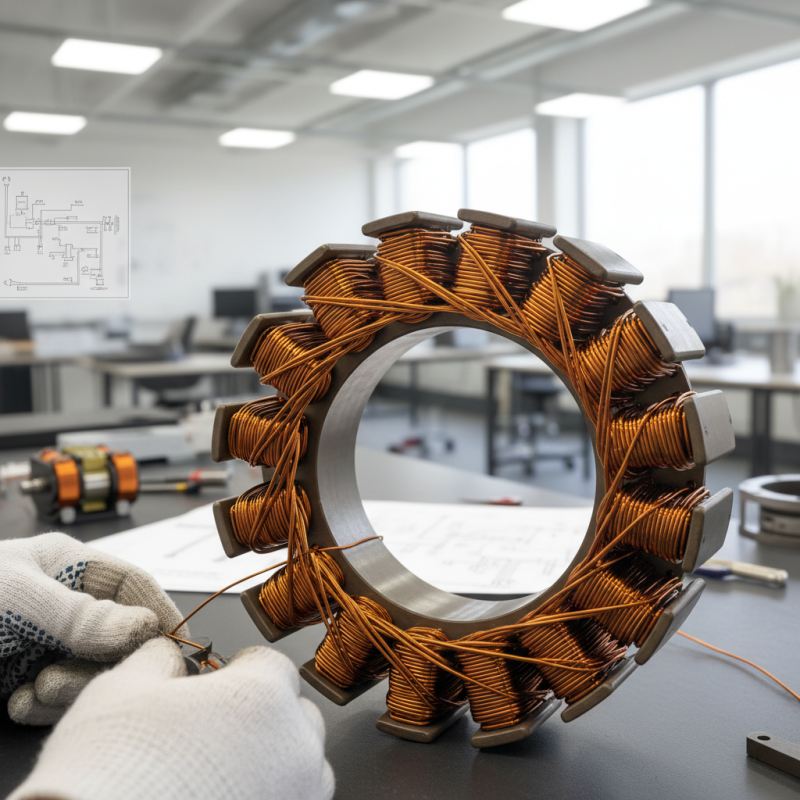
Top Single Phase Motor Winding Types for 2026 Global Market
As the global market evolves, single-phase motor windings must adapt. These motors play a crucial role in various industries. Understanding their types is vital for buyers looking to invest wisely.
Several winding configurations stand out for 2026. The capacitive start winding offers good efficiency in small applications. This type helps improve motor startup performance, making it popular among users. However, it can produce higher torque. This isn't always needed, depending on the application.
Another noteworthy option is the split-phase winding. It remains reliable and cost-effective. This design provides a simple approach to single-phase motor operation. Yet, its lower efficiency compared to others might lead buyers to rethink their choices. Buyers should consider factors such as application needs, efficiency, and cost when selecting. Investing in the right motor winding type ensures better performance and satisfaction in the long run.
2026 Top Motor Winding Single Phase Options for Global Buyers
| Winding Type |
Efficiency (%) |
Application |
Cost (USD) |
Market Demand (Units) |
| Capacitor Start Motor |
85 |
Pumps, Fans |
150 |
50000 |
| Permanent Split Capacitor Motor |
90 |
HVAC Systems |
200 |
75000 |
| Shaded Pole Motor |
80 |
Fans, Small Appliances |
100 |
30000 |
| Split-Phase Motor |
87 |
Woodworking Machines |
130 |
60000 |
| Universal Motor |
92 |
Household Tools |
180 |
100000 |
Key Considerations for Selecting Single Phase Motors in 2026
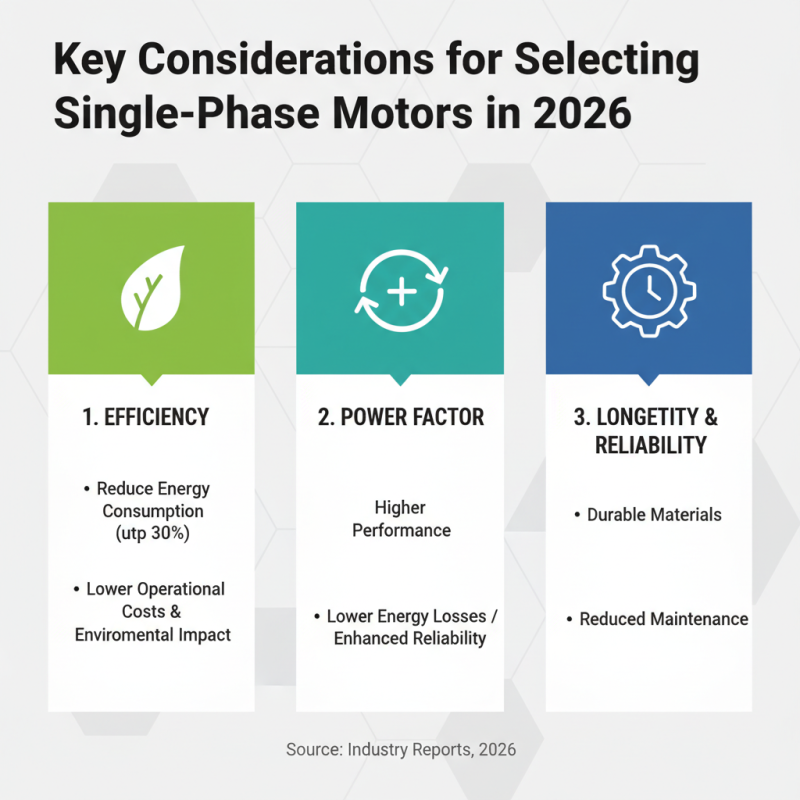
When selecting single-phase motors in 2026, buyers need to consider several crucial factors. Efficiency is paramount. According to industry reports, energy-efficient motors can reduce energy consumption by up to 30%. This reduction not only lowers operational costs but also lessens environmental impact. Buyers must also assess the motor's power factor. A higher power factor indicates better performance and lower energy losses, making it essential for long-term reliability and efficiency.
Another key consideration is the motor's thermal management. With increasing operational temperatures, effective cooling systems are vital. Without proper cooling, motors may overheat, leading to failures and increased maintenance. Industry data suggests that overheating can reduce motor lifespan by up to 50%. It's essential to choose motors designed for specific applications, ensuring they can handle varying loads and conditions.
Lastly, compliance with international standards is critical. Motors must meet safety and efficiency certifications. Non-compliance can result in legal issues and financial losses. Evaluating these aspects helps ensure that the selected motor aligns with both operational needs and future sustainability goals. As technology evolves, staying informed will be essential for making the best choices in the motor winding market.
Leading Manufacturers of Single Phase Motors for Worldwide Buyers
When considering single-phase motors, global buyers have numerous options. Various manufacturers provide diverse solutions catering to different applications. These motors are often used in household appliances, small machines, and HVAC systems. The right choice can lead to improved efficiency and performance.
Leading manufacturers focus on quality and innovation. They utilize advanced materials and technologies. This ensures that products meet international standards. Some companies prioritize energy efficiency and durability. However, not all options are equal. Buyers must research and evaluate specifications carefully. Comparing performance data can reveal significant differences.
Additionally, understanding local needs is crucial. Motor specifications may depend on regional energy sources. It's not uncommon for manufacturers to produce specialized models due to demand variations. Buyers should also consider service and support availability. Access to after-sales service can impact long-term satisfaction. Taking these factors into account leads to better decision-making.
Emerging Trends in Single Phase Motor Winding Technology
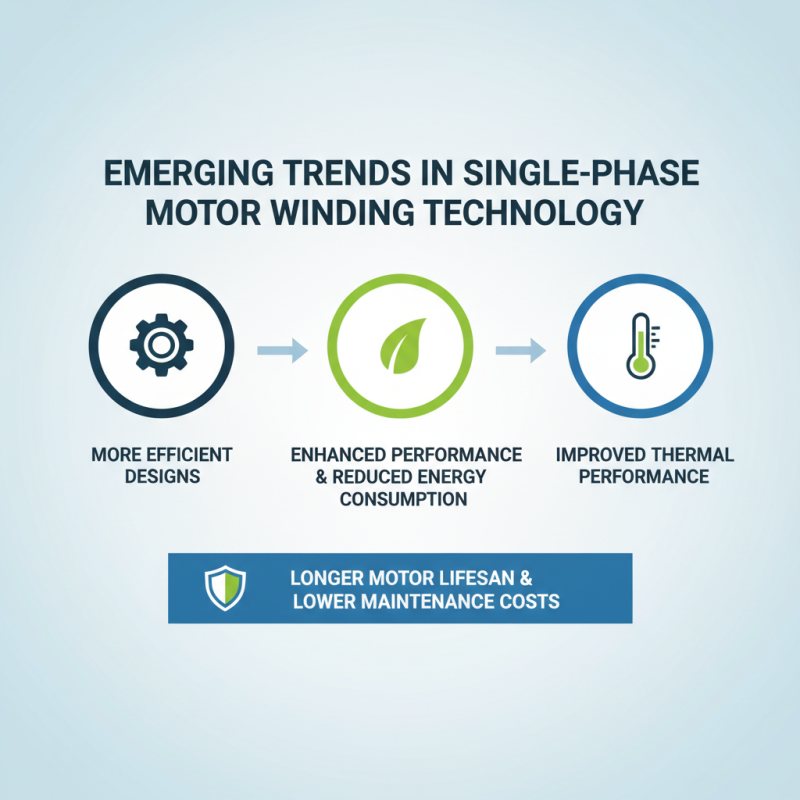
In recent years, the field of single-phase motor winding technology has witnessed remarkable advancements. Manufacturers are focusing on creating more efficient winding designs. These innovations aim to enhance performance while minimizing energy consumption. The trend leans toward improving the thermal performance of windings. This leads to longer-lasting motors and reduced maintenance costs for users.
Another notable trend is the integration of smart technology into motor windings. Sensors embedded within the windings can monitor temperature and performance in real-time. This data allows for predictive maintenance, leading to increased reliability. However, the implementation of these technologies may present challenges. Issues related to cost and complexity require careful consideration from manufacturers and users alike.
Sustainability is also at the forefront of motor winding developments. There is an increasing emphasis on using eco-friendly materials. Adopting greener practices not only reduces environmental impact but also resonates with globally conscious buyers. Despite the positives, there are still hurdles. The development of sustainable materials often lags behind demand, creating a gap in the market. Addressing these concerns will be crucial for the industry's growth.
Comparative Analysis of Single Phase Motor Winding Efficiency
When considering single-phase motor winding options, efficiency stands at the forefront. Many global buyers seek to optimize energy consumption while ensuring reliability. A critical aspect of efficiency is the winding technique used in motor design. These techniques profoundly affect energy losses and operational performance.
Each winding style presents unique advantages and challenges. For example, certain configurations may enhance torque but compromise efficiency. Meanwhile, others might reduce heat production but require more material. Buyers must weigh these factors carefully. The trade-offs can be subtle, often requiring expertise to navigate effectively.
Re-evaluating existing knowledge on motor windings can also lead to insights. Some manufacturers may overstate efficiency claims. It’s essential for buyers to delve deeper into performance data and energy ratings. Furthermore, independent testing can offer more reliable assessments of efficiency. Buyers should remain vigilant, as the best choices often arise from ongoing research and a willingness to adapt.
2026 Single Phase Motor Winding Efficiency Comparison