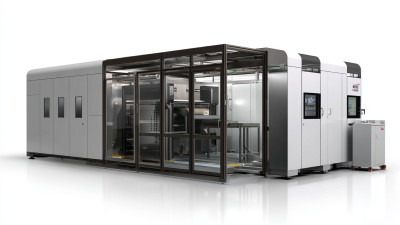
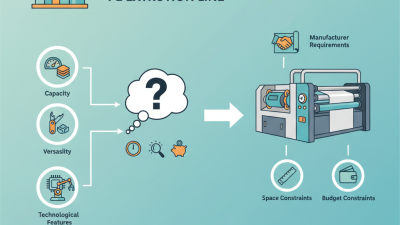
2026 Top Trends in Automated Palletizing Equipment Innovations?
As industries evolve, the demand for efficiency in production rises. Innovations in Automated Palletizing Equipment are taking center stage. These advancements provide solutions that improve logistics and reduce labor costs.
In 2026, various trends are emerging. For instance, the integration of artificial intelligence enhances operational efficiency. Smart sensors are transforming how equipment interacts with surrounding environments. Enhanced robotics are also capable of handling diverse products, optimizing workflows. Yet, challenges remain. Companies must adapt to rapidly changing technologies and workforce dynamics.
This is an exciting yet complex time for Automated Palletizing Equipment. The potential for increased productivity is clear, but implementation can be tricky. As businesses explore these innovations, thoughtful strategies are essential. Continuous reflection on effectiveness and adaptability will be crucial in harnessing their full potential.
Innovations in Robotics: A Look at 2026's Automated Palletizing Equipment
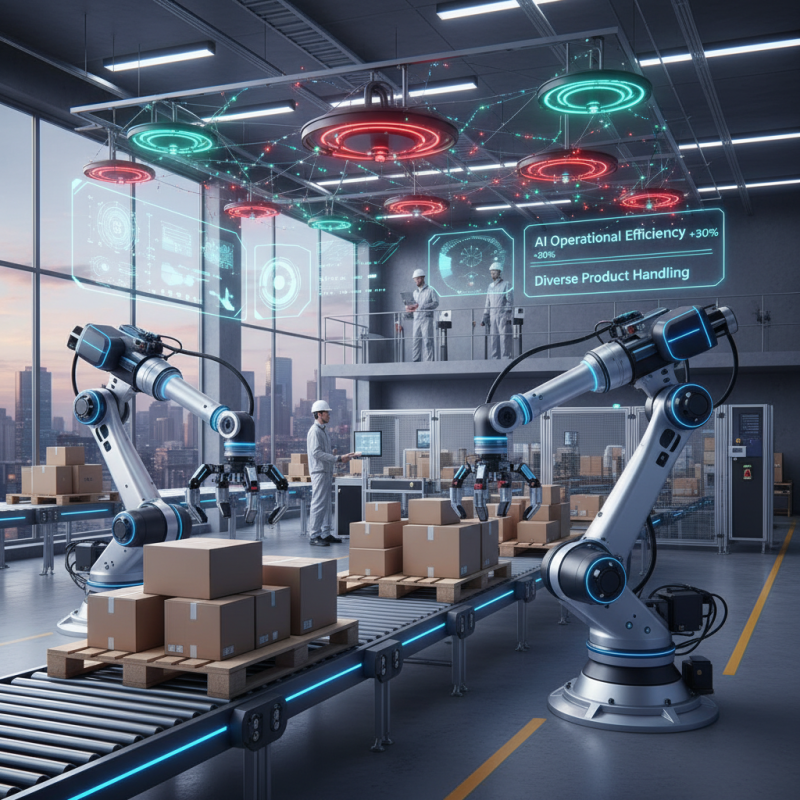
The world of automated palletizing equipment is rapidly evolving. In 2026, robotics innovations will significantly enhance efficiency. Smart systems will integrate artificial intelligence and machine learning. These technologies will allow adaptive processes, learning from each task. This means less downtime and higher productivity.
Robots will be equipped with advanced sensors to improve precision. They will handle complex load patterns and adjust to different sizes. This flexibility is essential in today's fast-paced environment. However, there’s a need for better human-robot collaboration. Workers may find it challenging to adapt to these changes. Training will be crucial to bridge this gap.
The design of palletizing equipment will focus on sustainability. Eco-friendly materials and energy-efficient operations are a priority. Yet, the implementation of these innovations poses risks. Initial costs may be high, and companies must carefully evaluate their investments. Balancing innovation with practicality remains a critical challenge in the industry.
2026 Top Trends in Automated Palletizing Equipment Innovations
| Trend |
Description |
Impact |
Projected Growth (%) |
| Artificial Intelligence Integration |
Utilizing AI for real-time decision making and efficiency enhancement. |
Increased accuracy and speed in palletizing processes. |
25% |
| Collaborative Robotics |
Introduction of robots that can work alongside human operators safely. |
Enhanced workforce productivity and safety. |
30% |
| Sustainability Features |
Incorporating eco-friendly materials and energy-efficient systems. |
Reduced carbon footprint and operational costs. |
20% |
| Modular Equipment Design |
Designing flexible and easily upgradable systems for varied needs. |
Lower initial investment with scalable solutions. |
15% |
| Internet of Things (IoT) Connectivity |
Enabling devices to communicate for better data collection and analysis. |
Improved predictive maintenance and uptime. |
22% |
Integration of AI and Machine Learning in Palletizing Systems by 2026
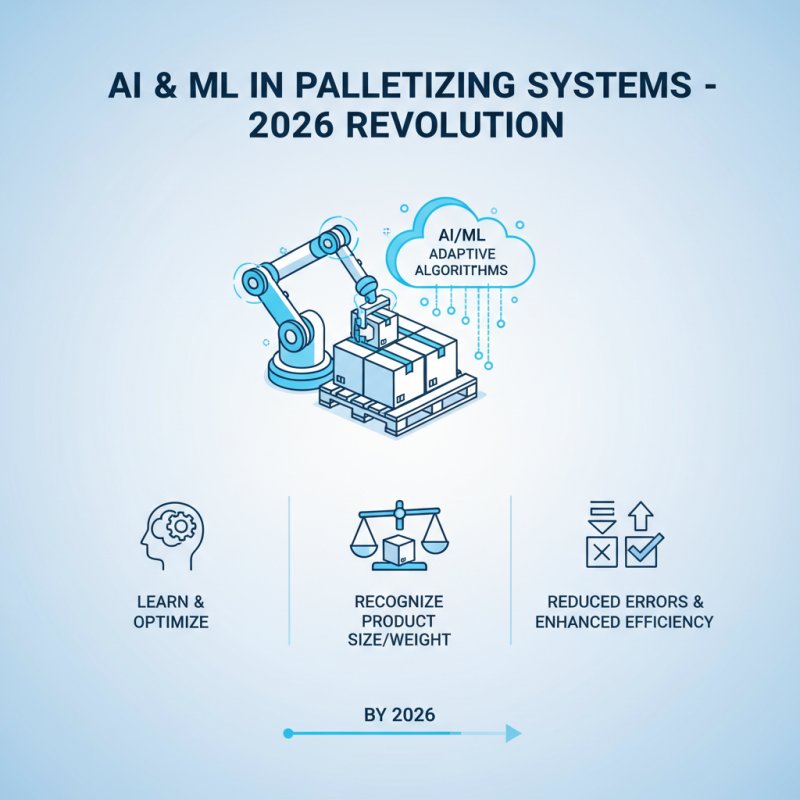
The integration of AI and machine learning in palletizing systems by 2026 promises to revolutionize the industry. These technologies will enable machines to learn from their environments and optimize their operations. For instance, adaptive algorithms can help systems recognize different product sizes and weights. This adaptability could reduce errors during packing and enhance efficiency significantly.
Moreover, the use of AI can improve predictive maintenance in palletizing equipment. Machines will analyze their own performance and predict failures before they happen. This proactive approach can save time and reduce costs. However, implementing such systems might face challenges. Data privacy concerns and the need for skilled personnel could hinder full adoption.
Despite the potential benefits, some companies may resist these changes. Traditional methods have been working for years, so the shift could be daunting. There may be a learning curve. It's essential to strike a balance between innovation and practicality. As these technologies develop, ongoing reflection on their effectiveness will be crucial for successful integration.
Sustainability Trends in Automated Palletizing Equipment: 2026 Insights
As industries shift towards sustainable practices, automated palletizing equipment is evolving. By 2026, it is projected that 40% of automated systems will incorporate eco-friendly designs. These innovations focus on reducing energy consumption and waste generation. For instance, energy-efficient robotic systems can cut energy use by 30%.
Many manufacturers are exploring alternative materials. Using recyclable plastics or reducing metal components can significantly lower the environmental impact. Yet, not every company is ready to make these changes. High initial costs deter some from investing in greener technologies. Additionally, outdated equipment may limit the transition to sustainable options.
Data shows that 70% of consumers prefer to buy from eco-conscious brands. This pressure forces companies to rethink their processes. However, the path to sustainability is often slow and complicated. Balancing cost with eco-friendly innovations remains a challenge. Companies must reflect on these obstacles to make meaningful changes.
Industry 4.0 and Its Impact on Automated Palletizing Technologies in 2026
In 2026, Industry 4.0 is set to transform automated palletizing technologies dramatically. Smart factories will utilize interconnected devices for enhanced efficiency. Data analytics and machine learning will optimize palletizing processes, ensuring higher accuracy and speed. However, these technologies bring challenges as well. Workforce adaptability and training must evolve alongside innovations.
Robotic systems will become more versatile. They can handle various product shapes and sizes, but not without facing limitations. Unexpected breakdowns may disrupt operations, highlighting the need for robust maintenance plans. Integration within existing systems may also prove complex. Companies must assess their infrastructure to embrace these advancements successfully.
Real-time monitoring will provide invaluable insights into operations. Businesses can make quicker decisions based on data trends. Yet, reliance on technology carries risks. Cybersecurity threats are an increasing concern as digitalization grows. Companies must prioritize safeguards to protect their data and systems.
Emerging Materials for Enhanced Durability in Palletizing Equipment by 2026
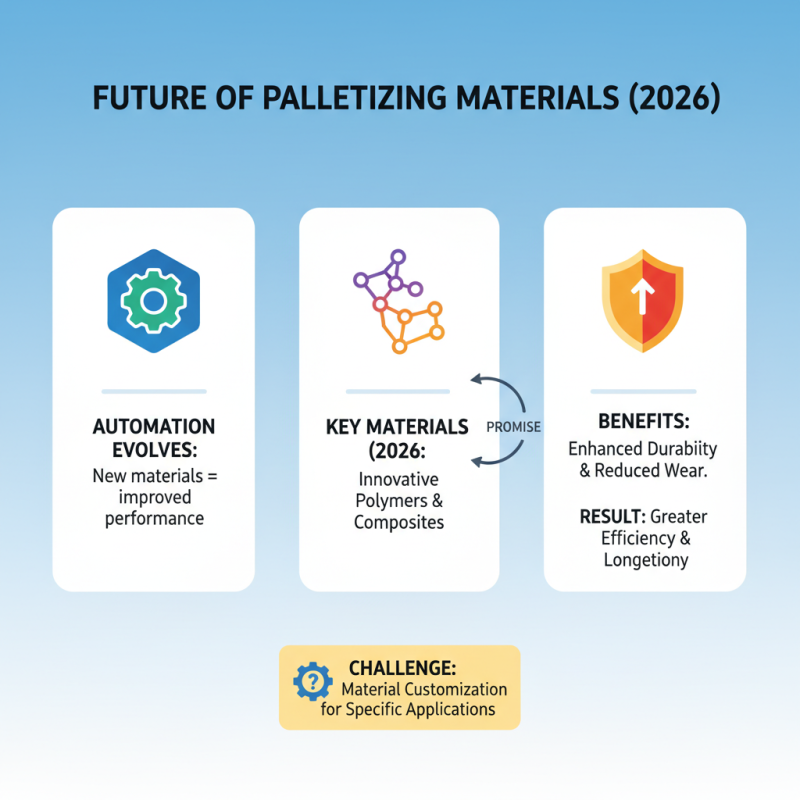
As automation continues to evolve, the materials used in palletizing equipment play a crucial role in its performance. Innovative polymers and composites are set to dominate the landscape by 2026. These emerging materials promise better durability and reduced wear, making equipment more efficient in the long run. However, the right mix of materials for specific applications remains a challenge.
Engineers face the ongoing task of balancing strength and flexibility. Some materials may not withstand high loads effectively, leading to premature failure. Regular assessments of wear and tear are essential to identify how materials perform under real-world conditions. Industry experts highlight the importance of rigorous testing for new materials. This can help prevent costly downtimes and ensure optimal productivity.
Furthermore, sustainable materials are gaining attention. Using recycled or bio-based materials can enhance the environmental profile of automated systems. Yet, this approach often raises questions about performance trade-offs. Companies must reflect on these factors as they explore new material options. Continuous innovation is necessary, but what works best isn’t always clear cut.