What is Automated Palletizing Equipment and How Does It Work?
Automated Palletizing Equipment is reshaping the logistics landscape. Industry reports suggest the global market for automated palletizing systems is growing rapidly. In fact, the market is projected to reach $3.7 billion by 2026, with a CAGR of around 8.5%.
According to Dr. Emily Chen, a leading expert in automation technology, "Automated Palletizing Equipment increases efficiency while reducing labor costs." This assertion emphasizes the equipment's role in modern warehouses and manufacturing settings.
However, organizations must consider implementation challenges. Integration with existing systems can be complex. Some companies may underestimate the initial investment needed. Nonetheless, the long-term benefits often outweigh these concerns. As competition intensifies, embracing automated solutions becomes critical for success in the supply chain.
Definition of Automated Palletizing Equipment
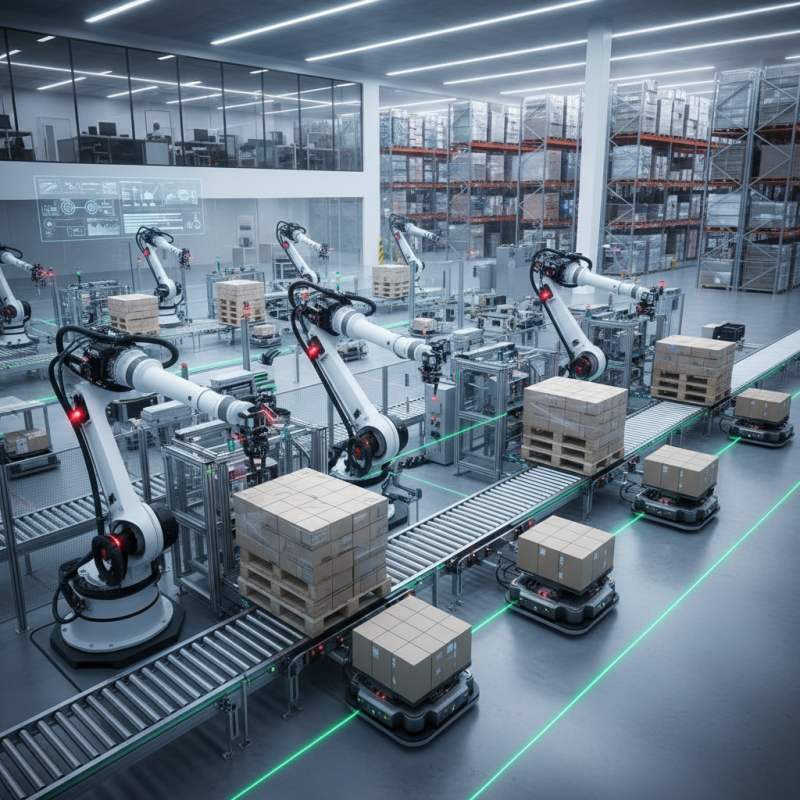
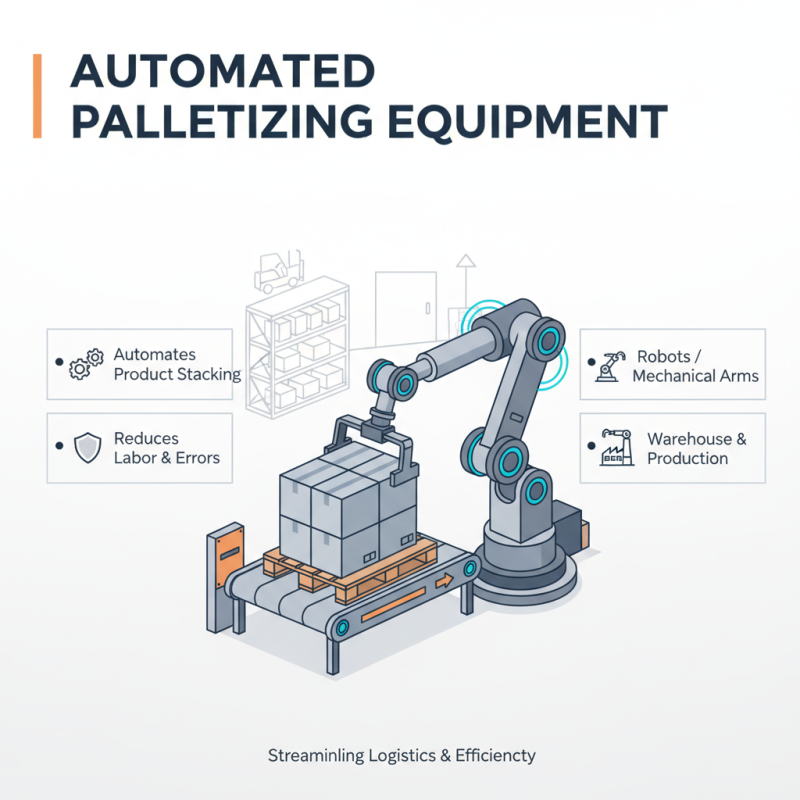
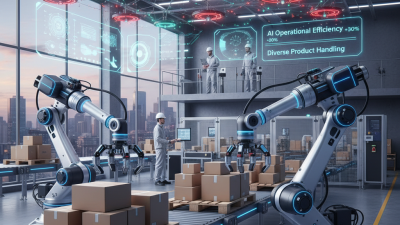
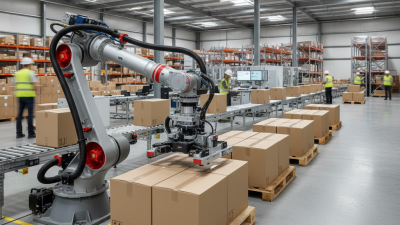
Automated palletizing equipment refers to machines that automatically arrange and stack products onto pallets. This technology plays a crucial role in warehouses and production facilities. By streamlining the process, it reduces labor costs and minimizes errors in stacking. Typically, these systems consist of robots or mechanical arms that pick up items and place them accurately.
The equipment utilizes sensors and software to determine the best stacking pattern. This helps optimize space and stability. Operators still need to monitor the machines, ensuring everything runs smoothly. Sometimes, the equipment may face challenges due to irregular product shapes or sizes. These variations can disrupt the automated process, leading to inefficiencies.
Implementation of automated palletizing can be a game changer but comes with some drawbacks. Initial costs can be high, and training staff is essential. Companies must weigh the benefits against potential setbacks. Continuous monitoring and adjustments are critical for success. It's worth reflecting on how well the technology fits specific needs and operations.
Types of Automated Palletizing Systems
Automated palletizing systems play a crucial role in modern manufacturing and distribution. These systems can significantly improve efficiency and reduce labor costs. There are various types of automated palletizing systems, each suited to different operational needs.
Robotic palletizers are popular choices. They use robotic arms to pick and place products onto pallets. This method is precise, but it requires careful programming. A small error can lead to misalignment. Additionally, bag palletizers handle bulk materials. They use mechanical systems to stack bags efficiently. However, if not monitored, these machines may jam or misplace bags, causing delays.
Layer palletizers are designed to stack products in layers. They often utilize conveyor systems to move products seamlessly. While effective for high-volume operations, they may struggle with smaller batches. Furthermore, semi-automated systems combine human oversight with machine support. This can lead to inconsistencies if operators are not well-trained. Thus, each type of automated palletizing system has its pros and cons, requiring thoughtful consideration.
What is Automated Palletizing Equipment and How Does It Work?
| Palletizing System Type |
Description |
Advantages |
Typical Applications |
| Robotic Palletizers |
Use robotic arms to select and place products on pallets. |
Flexibility in handling various products; reduced labor costs. |
Food and beverage, consumer goods, electronics. |
| Conventional Palletizers |
Machine-based systems that use mechanical arms for palletizing. |
High speed and efficiency for large volume operations. |
Manufacturing, packaging industries. |
| Automated Guided Vehicle (AGV) Palletizers |
Mobile robots that transport and place pallets autonomously. |
Increased automation and flexible layout options. |
Warehousing, distribution centers. |
Components of Automated Palletizing Equipment
Automated palletizing equipment enhances efficiency in warehouse operations. It consists of various components. These include the palletizer, robotic arms, conveyors, and control systems. Each part plays a crucial role. The palletizer stacks goods onto pallets. Robotic arms are versatile and can handle different products. Conveyors transport items between stations, reducing manual handling.
According to a recent industry report, automated palletizing systems increased productivity by up to 30%. However, their implementation isn't without challenges. Companies must assess their current workflows. Integrating these machines can disrupt existing processes. Proper planning is essential.
Tip: Evaluate your space and product types before investing. This ensures the system fits your needs. Regular maintenance is also vital for optimal performance. Components can wear out, leading to downtimes. Monitoring them is crucial for sustained efficiency.
Working Mechanism of Automated Palletizing Systems
Automated palletizing systems streamline the packaging process. Their working mechanism involves various components that work together. Typically, these machines use robotic arms and conveyor belts. The arms pick and place products onto pallets in a specific pattern.
Data shows that automated systems can increase efficiency by up to 30%. This efficiency boost is crucial as industries face increasing demands. However, the initial setup cost can be significant. Many companies struggle with the investment required. Sometimes, the technology may not integrate well with existing systems.
These systems rely heavily on sensors for accurate placement. Yet, sensor failures can disrupt operations. Proper maintenance is essential to avoid breakdowns. Operators must be trained to handle unexpected issues. Despite the challenges, automated palletizing continues to evolve. The potential benefits often outweigh the risks for many businesses.
Automated Palletizing Equipment: Work Efficiency Comparison
This chart compares the efficiency of various palletizing methods based on the number of pallets processed per hour. As indicated, fully automated palletizing systems significantly outperform both manual and semi-automated methods, underscoring the advantages of automation in warehouse operations.
Advantages of Using Automated Palletizing Equipment
Automated palletizing equipment is transforming logistics. It serves to stack products onto pallets. This helps streamline warehousing and shipping processes. Organizations are discovering numerous advantages when implementing this technology.
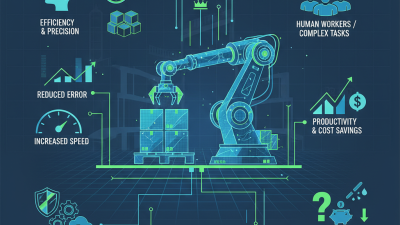
One significant benefit is improved efficiency. Automated systems work faster than manual labor. They reduce the potential for human error, which can lead to costly mistakes. With precision stacking, the products are securely loaded. This minimizes the risk of damage during transportation.
Cost savings are another advantage. Companies can lower labor costs with automation. Fewer workers are needed for palletizing tasks. This allows personnel to focus on more complex duties.
However, the initial investment can be daunting. Organizations must weigh costs against potential savings carefully. Training staff to operate this equipment may also be necessary, requiring time and resources.