Why Automated Shrink Wrap Machines Are Essential for Modern Packaging?
In today's fast-paced world, the need for efficient packaging solutions is paramount. Automated shrink wrap machines have become essential tools for businesses looking to enhance productivity and protect their products. According to industry expert John Smith, "Automated Shrink Wrap Machines can transform the way products are packaged, saving time and minimizing waste."
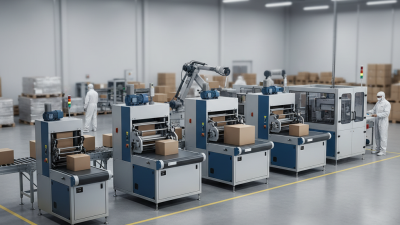
These machines not only streamline operations but also ensure that items are securely wrapped. This process helps to maintain product quality during storage and transport. Imagine a busy factory floor where items are produced and quickly shipped. Without efficient packaging, chaos can ensue.
However, as businesses adopt these technologies, it's crucial to address potential pitfalls. Training staff effectively on these machines remains a challenge. Maintenance of automated systems can also lead to unexpected downtime. Thus, while Automated Shrink Wrap Machines offer many advantages, companies must remain vigilant about their implementation and upkeep.
Importance of Packaging in Modern Industries
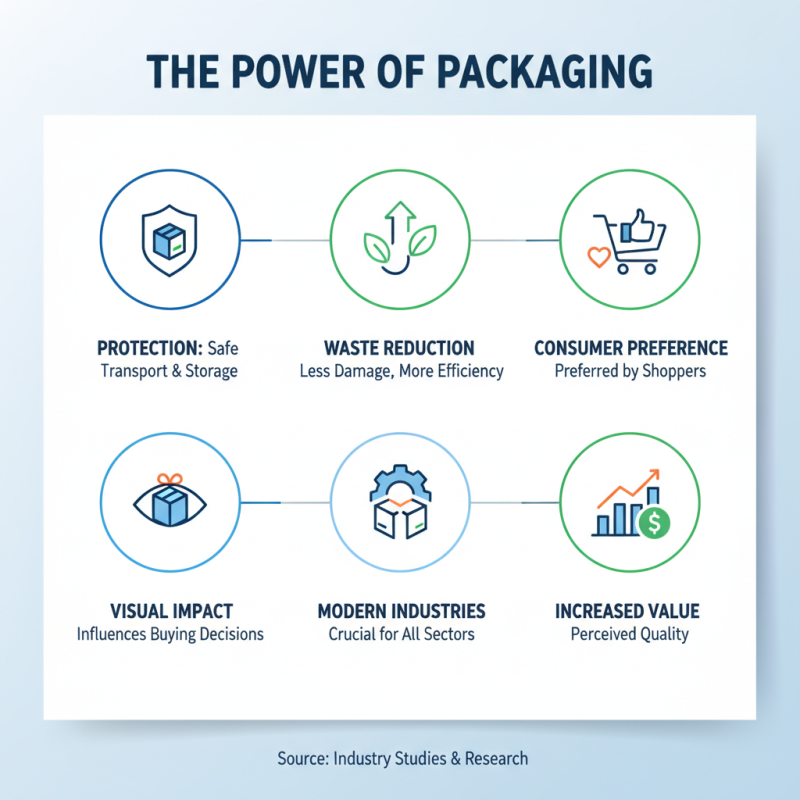
Packaging plays a crucial role in modern industries. It is not just about aesthetics. Effective packaging protects products during transportation and storage. Good packaging can reduce waste and damage. In many cases, studies show that consumers prefer well-packaged items. A strong visual impact can influence purchasing decisions.
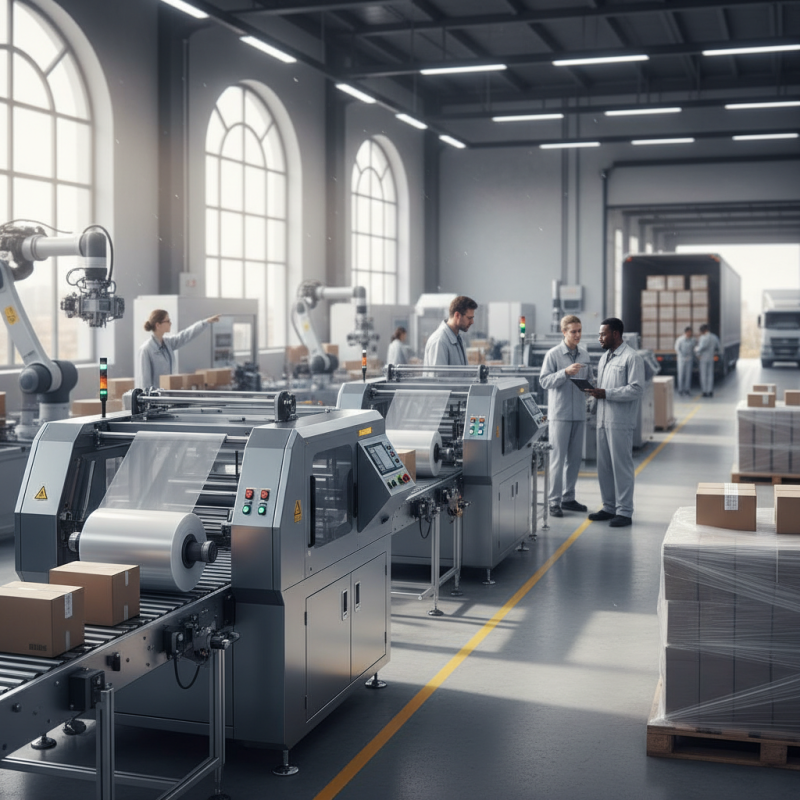
Automated shrink wrap machines enhance packaging efficiency. These machines ensure a tight and secure wrap around products. This minimizes the chance of spoilage or damage. However, it’s essential to balance automation with human oversight. Over-reliance on machines can lead to errors if not monitored closely. There might be situations where manual intervention is necessary.
Sustainability is another critical factor. Many companies are exploring eco-friendly packaging solutions. They aim to reduce their carbon footprint. But, challenges remain. How to maintain product integrity while using biodegradable materials? This question requires ongoing reflection. Innovations in packaging must continue to evolve to address these issues. The future of packaging is bright but complex.
Overview of Automated Shrink Wrap Machines
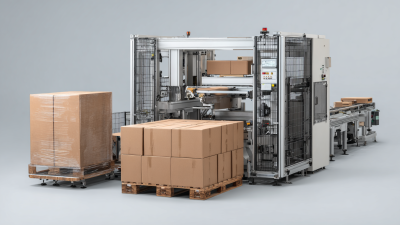
Automated shrink wrap machines are transforming the packaging landscape. These machines are designed to encase products in a tight plastic layer using heat. This process not only enhances product protection but also improves overall presentation. Many businesses now rely on this technology for efficiency.
The technology behind these machines is impressive. They use advanced sensors to detect the product size and adjust accordingly. This adaptability reduces material waste, which is a significant issue in traditional packaging methods. However, some operators may struggle with initial setup. Training is often necessary to maximize efficiency and reduce errors. Regular maintenance is crucial, too, as overlooking check-ups can lead to costly downtime.
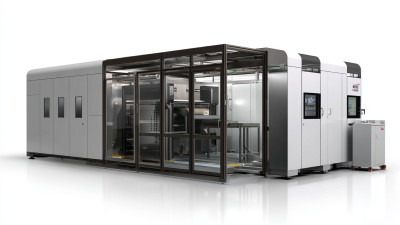
Automated shrink wrap machines come in various models and sizes, catering to different industries. Small businesses might find entry-level models suitable, while larger operations require high-capacity versions. It's essential to evaluate specific needs before investing. Often, companies might underestimate the importance of this choice, leading to inefficiencies down the line. Consideration of speed, size flexibility, and durability is vital in this decision-making process.
Key Features of Automated Shrink Wrap Machines
Automated shrink wrap machines play a crucial role in modern packaging. These machines provide efficiency and consistency, essential for today’s high-demand market. According to a report by Smithers Pira, the global shrink packaging market is projected to reach $27 billion by 2024. This growth is driven by the increasing need for effective product protection during shipping.
One key feature of automated shrink wrap machines is their speed. Most machines can wrap up to 40 items per minute, significantly increasing production rates. This efficiency reduces labor costs and minimizes human error. For instance, a study revealed that companies using automated systems cut packaging times by 30% or more. Additionally, these machines offer precision in wrapping, reducing material waste. However, settings must be calibrated carefully. A minor error can lead to suboptimal wrapping, which could impact product integrity.
Another important feature is versatility. Automated shrink wrap machines can handle various products, including irregular shapes. They adapt to different shrink films and sizes. This flexibility supports diverse packing needs across industries. However, adapting to new products can be a challenge. Companies must continuously evaluate their equipment to ensure optimal performance. Ultimately, as the demand for efficient packaging rises, the role of automated shrink wrap machines becomes even more vital.
Benefits of Using Automated Shrink Wrap Machines
Automated shrink wrap machines are transforming the packaging industry. They offer significant benefits that enhance efficiency and product protection. According to a recent industry report by Smithers Pira, the global shrink wrapping market is expected to reach $18 billion by 2024. This growth signifies an increasing reliance on automated solutions.
One major advantage is speed. Automated shrink wrap machines can package products at high rates, reaching up to 60 packages per minute. This enhances productivity, especially for businesses with high demand. Additionally, these machines minimize human error. Mistakes can be costly, and even a small misalignment can lead to damaged goods.
Another benefit is consistency. Automated machines deliver a uniform wrap every time. This ensures that products are securely sealed, reducing the chance of damage during storage or transport. Despite these benefits, some companies might hesitate. The initial investment for these machines can be substantial. It might require a shift in workflow. However, the long-term cost savings often outweigh these challenges. Keeping pace with market demands and consumer needs is crucial.
Benefits of Using Automated Shrink Wrap Machines
Impact on Efficiency and Cost Reduction in Packaging Operations
Automated shrink wrap machines play a crucial role in modern packaging operations. Their efficiency is unmatched, dramatically reducing labor costs and time. For many businesses, this means higher productivity. Workers can focus on other tasks. This shift leads to an increase in overall production rates.
The cost-effectiveness of these machines cannot be ignored. Initial investments might seem high. However, the long-term savings are significant.
Reduced material waste is one highlight. Consistent sealing quality ensures each package is robust and secure. Less product damage occurs during transportation, leading to reduced replacement costs.
Tip: Regular maintenance of your shrink wrap machine can prolong its lifespan and keep it running efficiently.
Training employees on the proper use of these machines is equally important. Misunderstandings can lead to errors. Frequent check-ins can help address any issues quickly. Ultimately, emphasizing efficiency in packaging operations can yield surprising returns.
Tip: Set benchmarks for your operations to measure improvements effectively.