What is an Automatic Case Erector and How Does it Work?
In the fast-paced packaging industry, efficiency is paramount. An Automatic Case Erector (ACE) plays a crucial role in reducing labor costs and increasing production speed. According to a recent report by Packaging Automation Insights, companies that implement automatic case erectors can increase their throughput by up to 50%. This significant boost in productivity is essential for meeting the demands of modern consumers.
Industry expert Dr. Emily Ren, a leading authority on packaging technology, states, "The adoption of Automatic Case Erectors is revolutionizing how we think about packaging lines." Her insights highlight the essential nature of these machines in optimizing operational workflows. More reliable than manual processes, ACEs minimize errors and materials waste, leading to better sustainability practices in packaging.
However, implementing an Automatic Case Erector is not without its challenges. Organizations must carefully assess their needs and existing workflows. Customizing the machine to fit specific requirements can be a daunting task. Yet, the potential for increased efficiency makes this a worth-while endeavor for many manufacturers. The evolution of packaging technology continues to push boundaries, but it also requires ongoing evaluation and adaptation from industry players.
What is an Automatic Case Erector?
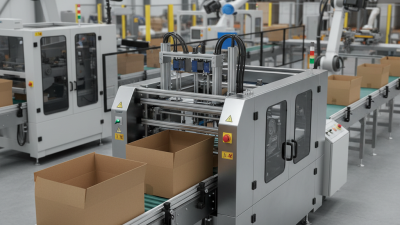
An automatic case erector is a critical machine in the packaging industry. It plays a vital role in transforming flat cardboard sheets into sturdy cases ready for products. This equipment is designed for high efficiency. An automatic case erector can produce cases at speeds exceeding 30 cases per minute. This speed significantly minimizes labor costs and reduces the time required for packaging.
The technology behind automatic case erectors has evolved substantially. Many modern models use sensors and programmable logic controllers (PLCs) to ensure precise formation and sealing. Reports indicate that companies can increase their productivity by up to 25% when implementing automatic case erecting systems. However, one challenge remains. Maintenance and occasional training are essential to ensure employees can operate the machinery effectively.
While automatic case erectors are beneficial, they are not free from flaws. Sometimes, the machines can jam, leading to production delays. Operators need to be vigilant to troubleshoot issues quickly. Industry data suggests that nearly 15% of downtime in packaging operations can be attributed to maintenance needs. Training in handling these challenges is crucial for optimizing performance and minimizing disruptions.
Key Components of an Automatic Case Erector
Automatic case erectors are crucial in modern packaging operations. They streamline the process of forming boxes for product packaging. Understanding the key components is vital for optimizing performance.
One essential part is the forming station. It shapes flat cardboard into a three-dimensional box. A study by the Packaging Machinery Manufacturers Institute noted that 70% of companies see improved efficiency with automated systems. Another important component is the adhesive application system. It ensures boxes are securely sealed, preventing product damage during transport. Attention to these details can enhance reliability.
**Tip:** Regular maintenance on these components can reduce downtime. This is often overlooked, yet even a small issue can disrupt operations significantly.
Furthermore, sensors play a critical role, detecting anomalies in the process. They ensure that error rates are minimal, which is pivotal for quality control. Research shows that companies focusing on sensor technology experience a 25% increase in production speed. Ensuring all components work harmoniously is necessary for optimal output.
**Tip:** Invest in employee training for handling these machines. Knowledgeable operators can troubleshoot problems effectively, enhancing efficiency. This prevents costly interruptions in workflow.
The Mechanism of Automation in Case Erecting
In modern packaging, automatic case erectors play a crucial role. They streamline the process of forming cardboard boxes. A study by the Packaging Machinery Manufacturers Institute (PMMI) indicates that automated packaging systems can increase production efficiency by up to 30%. This is significant for industries looking to reduce operational costs.
The mechanism of automation in case erecting relies on precise technology. Initially, flat sheets of cardboard enter the machine. A series of automated arms fold and glue these sheets into boxes. Sensors ensure each box is formed accurately, minimizing waste. Data shows that automated processes can reduce error rates by nearly 15%, enhancing overall reliability in packaging lines.
Yet, challenges exist. Integration with existing systems can be complicated. Workers may need training to operate sophisticated machinery. Also, not all production lines benefit equally from automation. Some smaller operations might find initial costs prohibitive. It's essential for companies to evaluate their specific needs before transitioning to automated solutions.
Applications of Automatic Case Erectors in Industries
Automatic case erectors play a vital role in various industries. They are commonly used in packaging plants, food and beverage production, and e-commerce. In these settings, efficiency is essential. Case erectors streamline the packaging process by forming flat boxes into ready-to-use cases. This function saves time and labor costs, allowing workers to focus on more complex tasks.
In the food and beverage sector, these machines ensure that products are packaged quickly and hygienically. They minimize human contact, reducing the risk of contamination. Factories often use these erectors to handle high volumes of cases daily. A well-designed system allows for adjustments, accommodating different box sizes. Overall, automatic case erectors enhance productivity in industries where demand can fluctuate.
However, some challenges exist. Regular maintenance is required to avoid breakdowns. Operators must be trained properly, as mishandling can lead to production delays. Not all setups can handle every case type, which limits flexibility. Industries must weigh the benefits against potential complications to maximize efficiency.
Benefits of Using Automatic Case Erectors in Packaging Processes
Automatic case erectors are increasingly vital in modern packaging. They streamline the packaging process by creating cardboard boxes efficiently. These machines reduce the need for manual labor and enhance speed in operations. With automation, the chance of human error decreases significantly.
Using automatic case erectors offers several benefits. They improve consistency in box formation, ensuring that each box is perfectly shaped. This consistency is crucial for automated filling lines. Additionally, these machines save time and labor costs. However, businesses must ensure proper maintenance to avoid downtime.
Another benefit is space efficiency. Automatic case erectors often have a compact design, making them suitable for various production environments. This can be particularly beneficial in facilities where space is limited. Nonetheless, companies must consider the initial investment costs. Ensuring that the investment pays off through increased efficiency can sometimes be challenging. Careful planning and evaluation are essential to reap the full advantages.