Top 10 Benefits of Robotic Case Palletizing for Modern Warehousing Solutions?
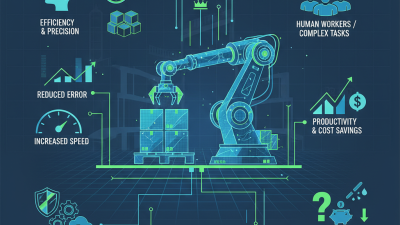
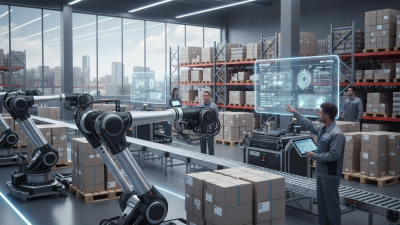
In today's fast-paced logistics environment, efficiency is key. Robotic Case Palletizing systems are revolutionizing warehousing solutions. These automated systems streamline the packing process, reducing labor costs significantly. Many warehouses struggle with high turnover rates. Robotic systems offer a solution that enhances productivity and reduces errors.
The benefits of Robotic Case Palletizing extend beyond cost savings. They improve safety in warehouses by minimizing manual handling. This is crucial for reducing workplace injuries. However, integrating these technologies is not without challenges. Companies must ensure their workforce is adequately trained to work alongside robots. Failing to do so may lead to operational issues.
As businesses adopt Robotic Case Palletizing, they must consider their unique needs. Not every solution fits all. A tailored approach can yield better results. Companies are often left reflecting on their experiences as they navigate these changes. With proper planning, the transition can be smooth and advantageous.
Benefits of Improved Efficiency Through Robotic Case Palletizing
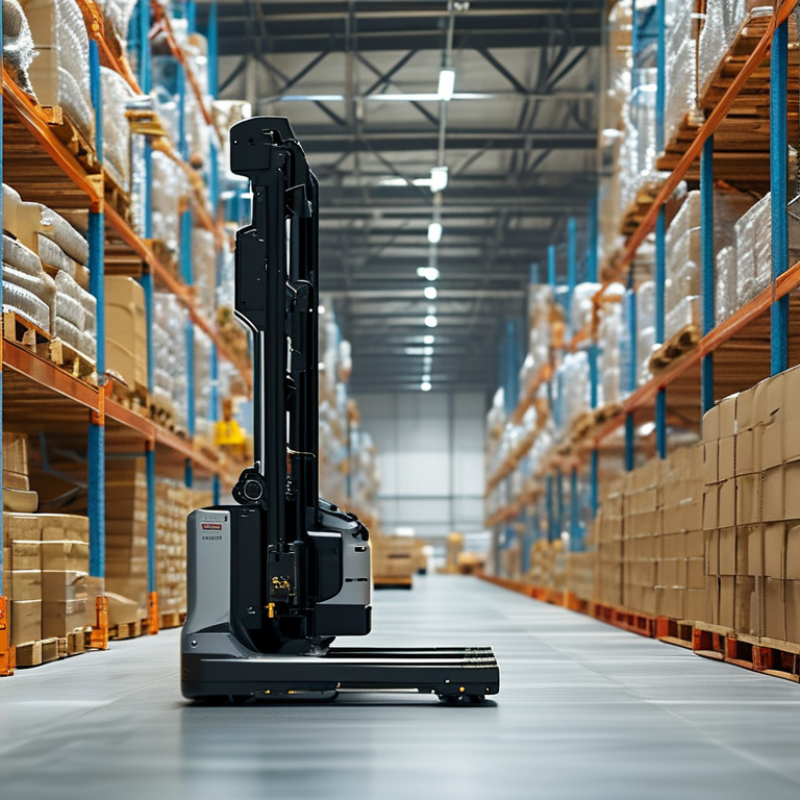
In modern warehousing, robotic case palletizing offers significant benefits centered around improved efficiency. According to a report by the International Federation of Robotics, companies that implement robotic solutions can see productivity increase by up to 30%. These robots quickly and accurately arrange cases for shipping, reducing manual handling and minimizing human error. As a result, businesses can fulfill orders faster and with greater precision.
While robotic systems reduce physical strain on human workers, they require careful integration and training. Choosing the right system is essential. Consider factors like product types, case sizes, and the existing infrastructure. Misalignment can lead to operational delays. Data from Gartner suggests that process automation can reduce costs by up to 25%. However, mishandling the transition might negate these savings if employees are not properly trained.
If you're aiming for a smooth implementation, start small. Test robotic palletizers on a single product line before scaling. Gather feedback from employees for continual improvement. Automation should enhance workflow, not complicate it. Regularly review performance metrics to ensure the system meets your needs. With these insights, businesses can harness the potential of robotic palletizing for better efficiency and productivity in their operations.
Enhancements in Safety and Ergonomics for Warehouse Workers
Robotic case palletizing has revolutionized warehousing, notably in enhancing safety and ergonomics. Traditional manual palletizing poses significant risks. Workers frequently face back injuries and repetitive strain issues. Research from the National Institute for Occupational Safety and Health shows that 40% of warehouse injuries relate to manual material handling. Robotic systems reduce these concerns by automating heavy lifting tasks.
With robots taking on physically demanding jobs, workers can focus on less strenuous tasks. This shift not only improves their overall well-being but also boosts productivity. A study by the Warehouse Education and Research Council revealed that companies adopting robotics saw a 30% reduction in workplace injuries. Furthermore, the ergonomic design of robotic systems minimizes awkward postures and promotes a safer work environment.
While the transition to robotic solutions is beneficial, it comes with challenges. Implementing new technology requires training and change management. Some workers may resist these changes, fearing job loss. Addressing these concerns is crucial for a smooth transition. Engaging employees in the process can foster a more positive outlook. Balancing technology with human skills is key to a successful implementation in modern warehousing.
Reduction in Labor Costs and Optimization of Workforce Management
Robotic case palletizing is changing the landscape of warehousing. One of the most significant advantages is the reduction in labor costs. According to a recent report by the Warehousing Education and Research Council, companies can save up to 30% on labor expenses by automating palletizing operations. This is vital for businesses aiming to maximize efficiency while minimizing costs.
With automation, workforce management becomes easier. Robots handle repetitive tasks, freeing up employees for more complex roles. A survey conducted by McKinsey highlights that over 50% of warehouse workers are now engaged in higher-value tasks due to automation. This shift can enhance job satisfaction. The challenge remains: the need for skilled workers to manage these automated systems. Training becomes essential, yet many companies struggle to find resources.
Furthermore, relying solely on technology can pose risks. System failures can disrupt operations. It’s crucial to strike a balance between automation and human oversight. While robotic palletizing provides significant benefits, companies must reflect on their implementation strategies. Achieving efficiency requires thoughtful integration of both tech and talent.
Top 10 Benefits of Robotic Case Palletizing for Modern Warehousing Solutions
| Benefit |
Description |
Impact |
Percentage Improvement |
| Reduction in Labor Costs |
Automation reduces the need for manual labor in palletizing tasks. |
Cost savings on workforce expenses. |
30% |
| Increased Efficiency |
Robots can work continuously without breaks, increasing throughput. |
Higher output per hour. |
40% |
| Improved Accuracy |
Automation minimizes human error in palletizing. |
Fewer mispalletized loads. |
25% |
| Space Optimization |
Robotic systems can maximize warehouse space through efficient stacking. |
Better use of vertical space. |
20% |
| Scalability |
Robotic systems can be easily scaled for increased demand. |
Flexibility in operations. |
35% |
| Reduced Product Damage |
Robotic precision reduces handling errors, lowering damage rates. |
Lower costs associated with damaged goods. |
15% |
| Enhanced Safety |
Reduces the risk of injuries associated with manual palletizing. |
Safer work environment for employees. |
50% |
| 24/7 Operation |
Robots can operate around the clock, increasing production time. |
Higher efficiency rates. |
60% |
| Lower Training Costs |
Less training required for employees when robots handle more tasks. |
Reduction in training expenditure. |
20% |
| Data Collection and Analytics |
Robotic systems can track performance metrics for continuous improvement. |
Informed decision-making. |
25% |
Increased Flexibility and Scalability in Warehouse Operations
Robotic case palletizing technology is revolutionizing warehousing operations. It brings increased flexibility and scalability, crucial for meeting growing demands. According to a report by the Association for Advancing Automation, automated solutions can enhance productivity by up to 40%. This level of efficiency allows warehouses to adapt quickly to changes in order volume and product types.
Flexibility in operations means robotic systems can be programmed to handle various packages. They can accommodate different sizes and shapes without extensive reconfiguration. This adaptability is beneficial, especially during peak seasons or promotional events. Organizations can adjust their workflows with ease, ensuring they meet customer demands promptly.
Tip: Integrate robotic palletizers gradually. Assess performance metrics before full-scale implementation. Monitor how they influence throughput and labor costs. Consider starting with low-volume tasks to evaluate their impact.
Scalability is another advantage. As demand increases, companies can deploy more robotic units without a complete redesign of the warehouse layout. A study by the Material Handling Industry of America indicates that companies implementing automation can expect a return on investment within two years. However, adapting to this technology requires upfront planning and strategy review.
Tip: Train your staff alongside robotic deployments. A knowledgeable workforce can enhance operations. Address concerns about job displacement proactively to engage employees positively.
Integration with Advanced Warehouse Management Systems (WMS)
The integration of robotic case palletizing with advanced Warehouse Management Systems (WMS) has transformed modern warehousing. A report by MHI highlights that companies adopting automation see efficiency gains of up to 30%. This increase results from streamlined operations and improved inventory management.
Robotic systems provide real-time data synchronization with WMS. This integration enables better visibility into stock levels and order tracking. It eliminates human errors during data entry. According to a 2021 study by Aberdeen Group, warehouses utilizing this integration can achieve up to a 25% reduction in labor costs.
Tips: Monitor your system for performance metrics. Regular assessments help identify areas for improvement. Investing in training for staff is crucial. Understanding system capabilities maximizes efficiency.
While the benefits are significant, challenges exist. Initial setup costs can be high. Additionally, staff must adapt to new technologies. This transition requires patience and ongoing training to ensure smooth operations. Organizations that successfully navigate these challenges often report impressive results in productivity and cost-effectiveness.