Top 10 Benefits of Using a Double Twist Bunching Machine?
In the world of textile production, the "Double Twist Bunching Machine" stands out as a game-changer. Expert John Smith, a renowned figure in textile machinery, once said, “Efficiency in production is driven by smart technology.” This rings true in the context of double twist machines.
The benefits of using a Double Twist Bunching Machine are numerous. It enhances productivity and reduces labor costs. This machine optimizes the twisting process, allowing for tighter, more uniform yarns. However, not every factory may be ready to adopt this technology. There might be a learning curve that can delay initial productivity gains.
Moreover, while the machine offers speed, maintenance can become challenging over time. Ensuring that staff are well-trained is crucial. The investment can feel daunting, but the potential for increased output is significant. With careful consideration, the Double Twist Bunching Machine can transform production lines significantly.
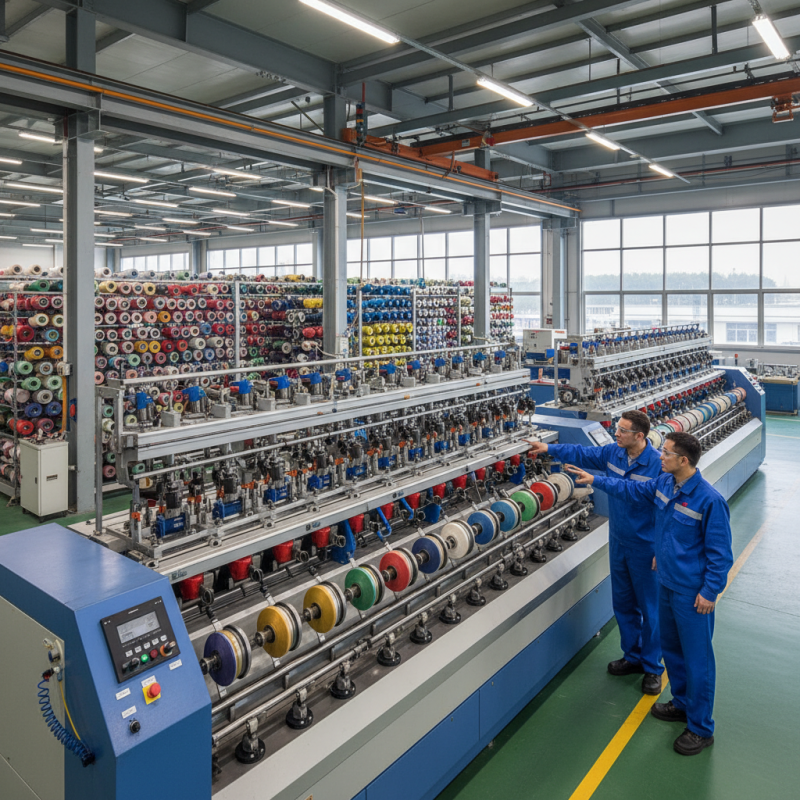
Overview of Double Twist Bunching Machines
Double twist bunching machines play a crucial role in various industries. These machines are designed to twist and bunch multiple strands of material, typically wires or yarn. They automate the bundling process, which improves efficiency in production. With advanced technology, they can achieve consistent tension and accurate bunched formations. This allows manufacturers to maintain high-quality standards.
Using double twist bunching machines can lead to significant time savings. Manual bundling can be labor-intensive and prone to errors. Many manufacturers still rely on outdated methods, which can result in inconsistencies. This machine can greatly reduce human error and increase productivity. However, some may find the initial setup and maintenance complex.
The versatility of these machines is another appealing factor. They can be used for various materials, adapting to different production needs. It’s interesting to note that while these machines enhance productivity, they also require skilled operators. Training is essential to ensure that the equipment operates smoothly. A lack of proper training can lead to mistakes, affecting overall production quality.
Increased Production Efficiency with Double Twist Bunching
The double twist bunching machine enhances production efficiency significantly. Reports highlight that manufacturers can increase output by up to 30% when utilizing this technology. This surge stems from its fast processing capabilities and precision. With a machine running at optimal speeds, the rate of completed units per hour can double or triple compared to manual methods.
In addition to speed, these machines minimize waste. Traditional bunching methods often lead to excess materials being discarded. Data indicates that with a double twist bunching machine, waste can be reduced by 15-20%. This efficiency has a direct impact on costs and profit margins, making a compelling case for investment in automation. However, it’s crucial for companies to assess the upfront cost and training required.
Despite the benefits, some operators report a learning curve. These machines have specific setups and maintenance protocols. Without proper training, efficiency may drop initially. It's essential for teams to invest time in mastering the equipment. This period of adjustment can affect overall productivity, so careful planning is necessary.
Top 10 Benefits of Using a Double Twist Bunching Machine
Improved Quality Control in Yarn Manufacturing
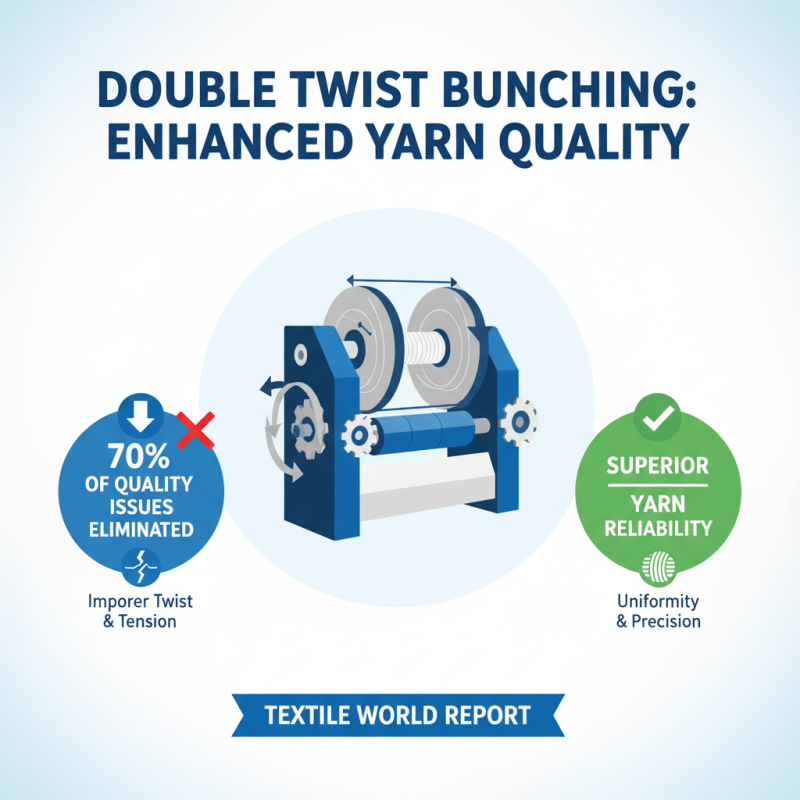
The use of a double twist bunching machine greatly enhances quality control in yarn manufacturing. According to a report by Textile World, nearly 70% of quality issues in yarn production stem from improper twist levels and inconsistent tension. These machines apply precise twisting techniques, which ensure uniformity in every batch produced. This precision can significantly minimize defects and improve overall product reliability.
Moreover, the double twist system allows for a more stable yarn structure. A survey conducted by the International Textile Manufacturers Federation found that 68% of manufacturers reported fewer complaints from customers regarding yarn breakage when utilizing advanced bunching machines. However, implementing these machines is not without its challenges. Some operators struggle with programming the machine settings, and inconsistencies may still arise. Ensuring all staff are well-trained can mitigate these issues, but it requires investment and time.
In addition to quality benefits, these machines can lead to notable efficiency improvements. The average productivity increase reported was about 25% in facilities that upgraded their machinery. Yet, maintaining this level of efficiency demands regular maintenance and monitoring. Continuous attention to machine performance is necessary to avoid downtime and maintain high standards. These complexities highlight the ongoing need for skill development and rigorous quality checks in the manufacturing process.
Cost-Effectiveness of Using Double Twist Bunching Machines
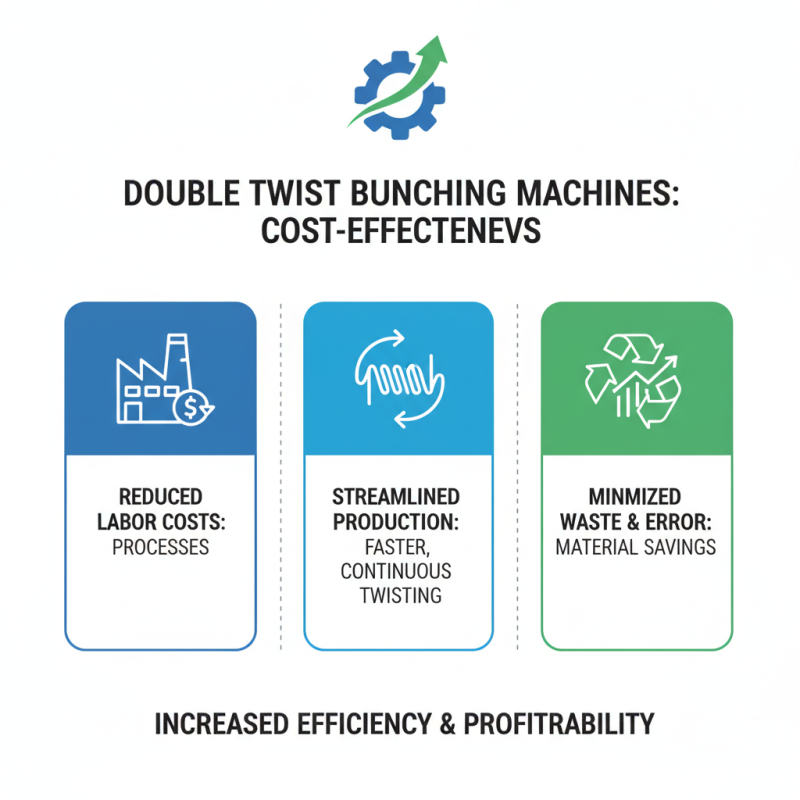
The cost-effectiveness of using double twist bunching machines stands out in today’s manufacturing landscape. These machines streamline production, reducing labor costs significantly. They automate twisting and bunching processes, which minimizes human error. This leads to fewer material wastages and increased efficiency.
Investing in double twist machines might seem pricey initially. However, the long-term savings are notable. Companies often see a return on investment within a year. Additionally, these machines can handle a variety of materials, making them versatile. But, maintenance can be demanding. Regular checks are essential to avoid costly repairs down the line.
Efficiency isn’t the only benefit. The machines improve product consistency, which is crucial in competitive markets. Products are created with uniform quality, leading to higher customer satisfaction. Yet, it’s important to weigh these benefits against the initial investment. Companies must ensure they have the budget to support equipment upkeep. Balancing cost and quality is a continuous journey for many manufacturers.
Versatility and Applications of Double Twist Bunching Machines
Double twist bunching machines are remarkably versatile. They find applications in various industries, most notably in wire and cable production. These machines excel at twisting multiple strands together. This can create stronger and more durable wires. They are crucial in electrical applications, where reliability is key.
Moreover, their adaptability extends beyond just cables. They can be utilized in textile production as well. Fabrics require strong threads that can withstand tension. These machines help in producing such threads efficiently. The process remains consistent, but small variations can lead to challenges. Ensuring the perfect twist is vital, as it impacts overall quality.
However, operating a double twist bunching machine does come with its complexities. Skilled operators are necessary to navigate these subtleties. Frequent adjustments are often required, especially when switching materials. This can create room for error, reminding us of the importance of precision in manufacturing. Each application presents unique demands, and understanding these is essential for optimization.
Top 10 Benefits of Using a Double Twist Bunching Machine
| Benefit |
Description |
| Increased Efficiency |
Enhances production speed for various types of products, reducing overall manufacturing time. |
| Versatile Applications |
Suitable for a wide range of products including cables, ropes, and other twisted materials. |
| Cost-Effective |
Reduced labor costs and material waste, increasing overall profitability. |
| Improved Product Quality |
Consistent twist and bunching ensure higher quality products with fewer defects. |
| User-Friendly Operation |
Designed for ease of use with minimal training required for operators. |
| Compact Design |
Space-saving setups suitable for various workshop environments. |
| Customizable Settings |
Adjustable parameters allow for customization based on specific product requirements. |
| High Production Volume |
Ideal for mass production, enabling higher output levels. |
| Durability and Reliability |
Built with robust materials to withstand continuous use in industrial settings. |
| Easy Maintenance |
Simplified maintenance processes contribute to longer machine lifespan and uptime. |