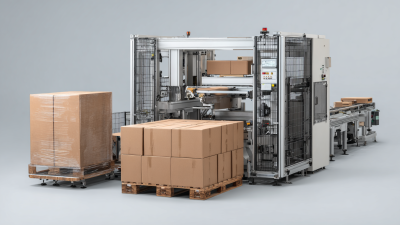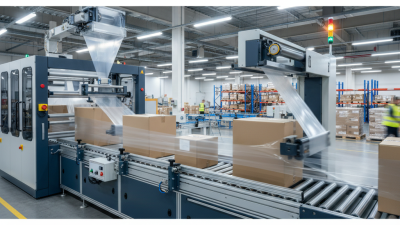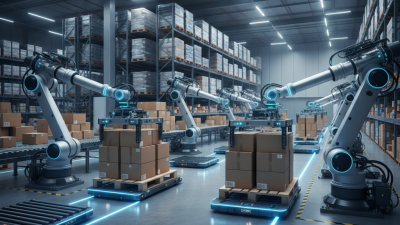
In the fast-paced world of modern manufacturing and distribution, the efficiency and accuracy of packaging processes have become paramount. An Automatic Case Erector is a game-changing piece of equipment that streamlines the creation of cardboard boxes, significantly enhancing productivity while reducing labor costs. As John Miller, a leading expert in packaging automation, aptly stated, "Investing in an Automatic Case Erector not only optimizes workflow but also paves the way for sustainable growth in a competitive marketplace."
The top 10 benefits of using an Automatic Case Erector resonate across various sectors, from e-commerce to food and beverage industries. This innovative machinery reduces the time and labor involved in manual box assembly, eliminates inconsistencies, and minimizes waste, thereby making operations more environmentally friendly. Furthermore, by automating the case erecting process, businesses can focus their human resources on higher-value tasks, ultimately driving innovation and improving overall efficiency.
As we dive deeper into the advantages offered by an Automatic Case Erector, it becomes clear that this technology is not just a luxury but a necessity for businesses looking to thrive in today's dynamic landscape. The transition towards automated solutions reflects a broader trend where efficiency and precision are key to maintaining a competitive edge.
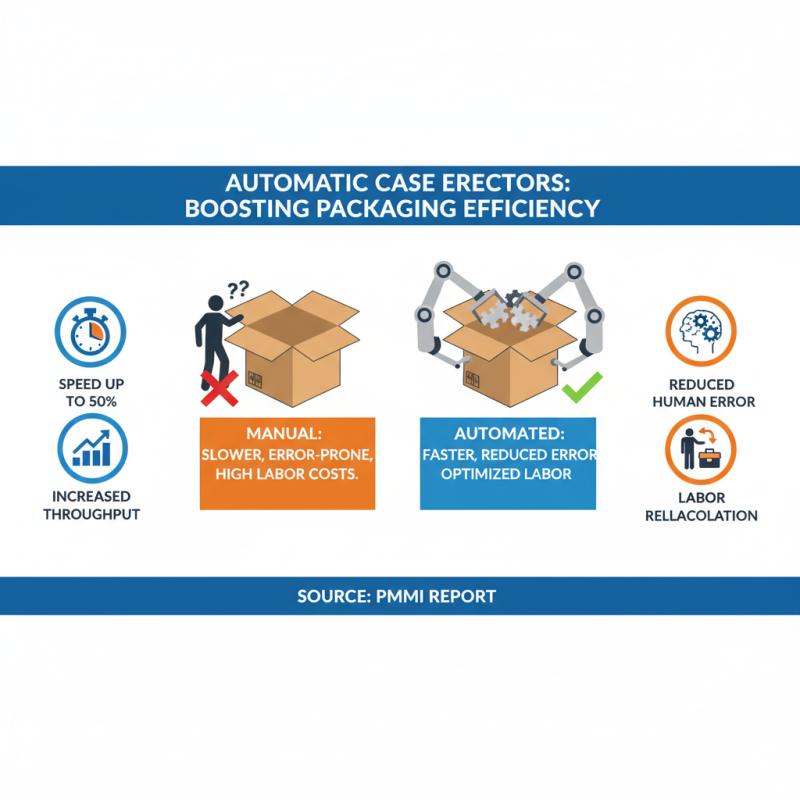
Automatic case erectors play a pivotal role in optimizing packaging efficiency across various industries. By automating the case forming process, businesses can significantly reduce labor costs and the potential for human error. According to a report from the Packaging Machinery Manufacturers Institute (PMMI), companies that implement automatic case erecting systems can boost their packaging speed by up to 50% compared to manual operations. This increase not only accelerates production lines but also allows for better allocation of labor resources towards more value-added tasks.
Moreover, the consistency and precision offered by automatic case erectors greatly enhance packaging quality. With advanced technology, these machines reduce the risk of case damage, which can lead to costly product loss and increased waste. A study by the Association for Packaging and Processing Technologies (PMMI) indicates that automated systems can lower error rates concerning case alignment and sealing, translating to a decrease in overall material costs. As businesses aim to maximize their operational efficiency, adopting automatic case erectors not only streamlines workflows but also contributes to sustainability efforts by minimizing waste in packaging processes.
In the competitive landscape of modern businesses, improving labor productivity is paramount for achieving operational efficiency. One significant innovation contributing to this goal is the automatic case erector. These machines streamline the packaging process by swiftly and accurately erecting cases for products, which traditionally required manual labor. By automating this task, businesses can significantly reduce the time taken to prepare packaging, allowing employees to focus on more value-added activities within the production line.
The introduction of automatic case erectors not only boosts speed but also enhances precision in case formation. This ensures that products are packaged securely and consistently, minimizing the risk of errors that can occur with manual setup. Furthermore, reduced reliance on manual labor translates into fewer workplace injuries and lower employee fatigue, fostering a healthier and more productive workforce. With the ability to operate continuously, these machines also contribute to higher throughput levels, keeping pace with increased demand while maintaining quality standards. Overall, investing in automatic case erectors is a strategic move for businesses aiming to elevate their labor productivity and streamline their operations.
| Benefit | Description | Impact on Labor Productivity |
|---|---|---|
| Increased Speed | Automatically erects cases quickly compared to manual methods. | Reduces time spent on case assembly, allowing workers to focus on other tasks. |
| Consistent Quality | Produces uniformly erected cases with minimal errors. | Lowers the likelihood of product damage during packaging. |
| Reduced Labor Costs | Lowers the number of workers needed for case assembly. | Decreases overall labor expenses and reallocates workforce efficiently. |
| Enhanced Safety | Minimizes physical strain on workers associated with manual case building. | Reduces work-related injuries, promoting a safer workplace. |
| Flexible Production | Easily adjusts to different case sizes and types. | Increases responsiveness to changing production demands. |
| Simplified Operations | Automated processes streamline workflow. | Reduces complexity in the packing line management. |
| Improved Integration | Easily integrates with existing packaging systems. | Enhances overall efficiency with seamless workflow. |
| Reduced Material Waste | Minimizes waste through precise case folding. | Lowers costs of materials and promotes sustainability. |
| Higher Throughput | Enables more cases to be processed in a given time frame. | Increases overall production capacity. |
| Enhanced Aesthetics | Creates visually appealing cases efficiently. | Attracts customers with consistent presentation. |
The advent of automatic case erectors has significantly transformed the packaging industry, especially in terms of material efficiency. By utilizing precision erection technology, these machines significantly minimize the chances of errors that often lead to wasted materials. Traditional manual processes tend to be less reliable, resulting in uneven folds or improperly sealed cases that must be discarded. In contrast, automatic case erecting systems ensure that each box is consistently formed to exact specifications, reducing material loss and promoting a more sustainable operation.
Moreover, the integration of advanced sensors and software in automatic case erectors further enhances waste reduction. These systems can monitor the erection process in real-time, making immediate adjustments to maintain optimal performance. This adaptability not only preserves the integrity of the packaging materials but also contributes to a more efficient workflow. As businesses increasingly prioritize sustainability, adopting technologies that streamline operations while minimizing waste becomes a crucial strategy. By addressing material waste through precision erection technology, companies not only improve their bottom line but also align themselves with environmentally responsible practices.
The rise of automation in the packaging industry has significantly transformed operational workflows, particularly regarding flexibility. An automatic case erector streamlines the packaging process by swiftly assembling boxes to meet varying production demands. Unlike traditional manual processes, which can be time-consuming and labor-intensive, automation allows businesses to adapt quickly to fluctuations in order volume or product variety. This capability is critical in today’s fast-paced market, where customer preferences can change rapidly.
In addition to enhancing efficiency, an automatic case erector supports a more agile production line. Businesses can easily modify box sizes, styles, or configurations without a complete overhaul of the equipment. This flexibility not only improves the speed of packaging operations but also reduces waste, as companies can switch between different packaging solutions based on current needs. By leveraging automation, businesses can remain competitive while responding effectively to market changes, ultimately fostering a more responsive and dynamic environment in their packaging operations.
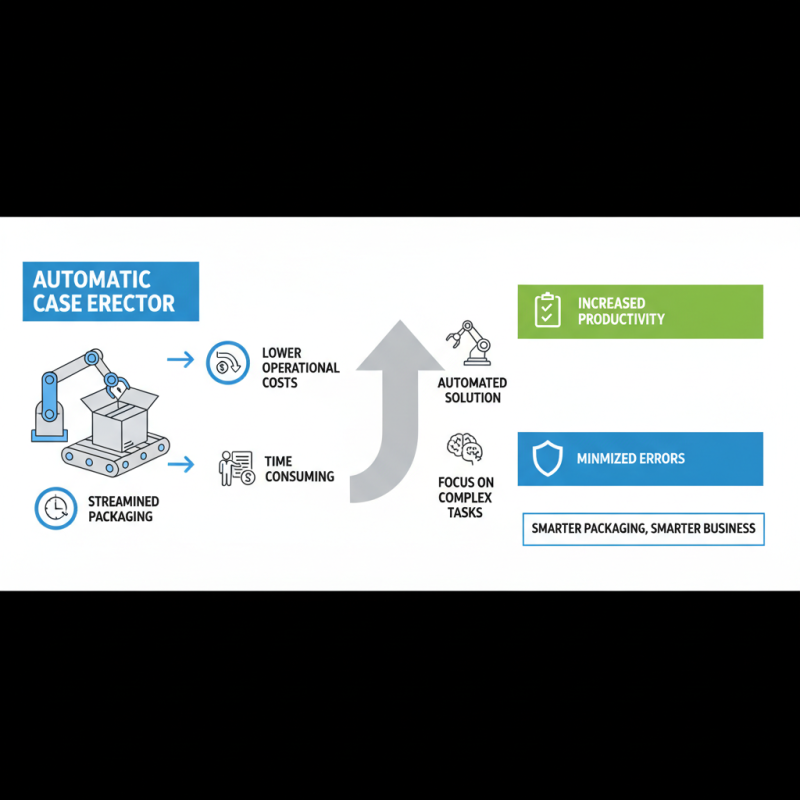
An automatic case erector can significantly lower operational costs for businesses by streamlining packaging processes. Traditionally, case erecting requires substantial manual labor and time, consuming valuable resources that could be allocated elsewhere. By implementing an automatic solution, companies can drastically reduce the workforce needed for this task, allowing employees to focus on more complex and productive functions. This shift not only enhances productivity but also minimizes the likelihood of errors associated with manual case assembly.
In addition to labor cost savings, the time efficiency gained from using an automatic case erector can lead to faster turnaround times for packaging operations. With automation, cases are erected swiftly and consistently, enabling a smoother workflow and quicker delivery of products. This rapid pace not only supports higher output rates but can also improve customer satisfaction through timely fulfillment of orders. Overall, the integration of an automatic case erector can transform operational dynamics, driving cost reduction and enhancing overall business efficiency in the long run.