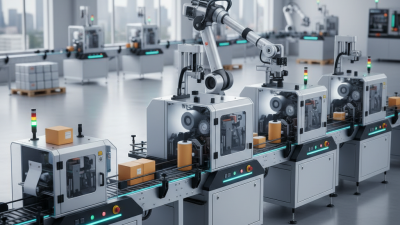
In today’s competitive manufacturing landscape, optimizing production processes is crucial for enhancing efficiency and reducing operational costs. One technology that has gained significant traction is the Rewinding Line, which is designed to streamline the handling of various materials, particularly in the packaging and converting industries. According to a report by MarketsandMarkets, the global market for industrial automation, which encompasses innovations like rewinding lines, is projected to reach $296.70 billion by 2026, reflecting a compound annual growth rate (CAGR) of 9.2% from 2021 to 2026. This growth is largely driven by the increasing demand for improved productivity and accuracy in manufacturing operations.
Rewinding Lines play a pivotal role in enhancing the flexibility and scalability of industrial processes. By enabling efficient rewinding, slitting, and converting of materials, these systems not only minimize waste but also significantly improve the turnaround time for production runs. A recent study by Technavio highlighted that implementing advanced equipment, such as rewinding lines, can lead to efficiency gains of up to 30% in production time, translating into substantial cost savings and increased competitiveness in the market. As industries continue to evolve, the adoption of innovative solutions like Rewinding Lines is becoming essential for businesses aiming to meet the demands of their customers while maintaining high standards of quality and efficiency.
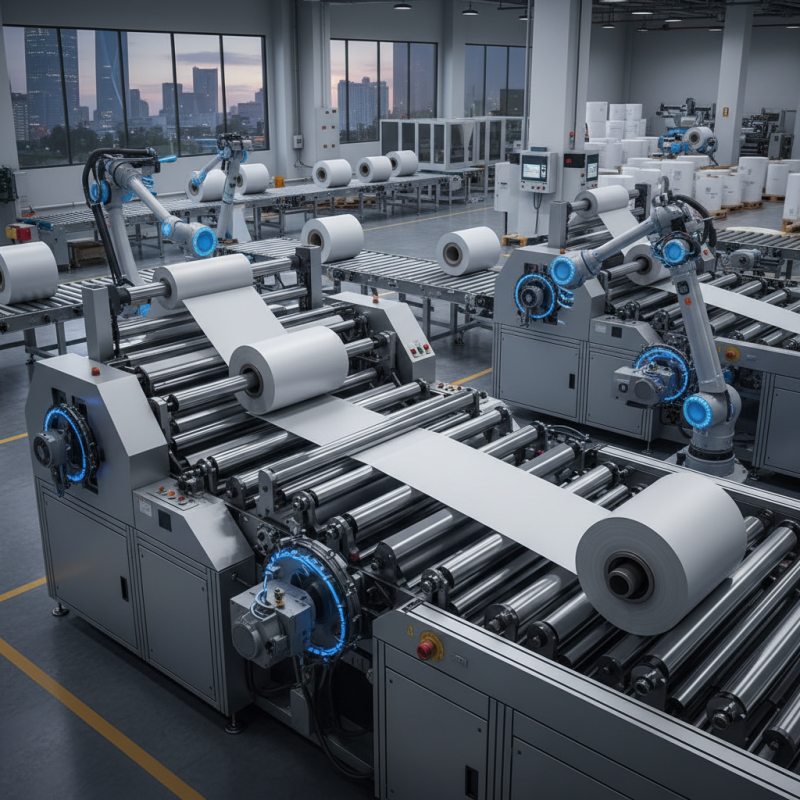
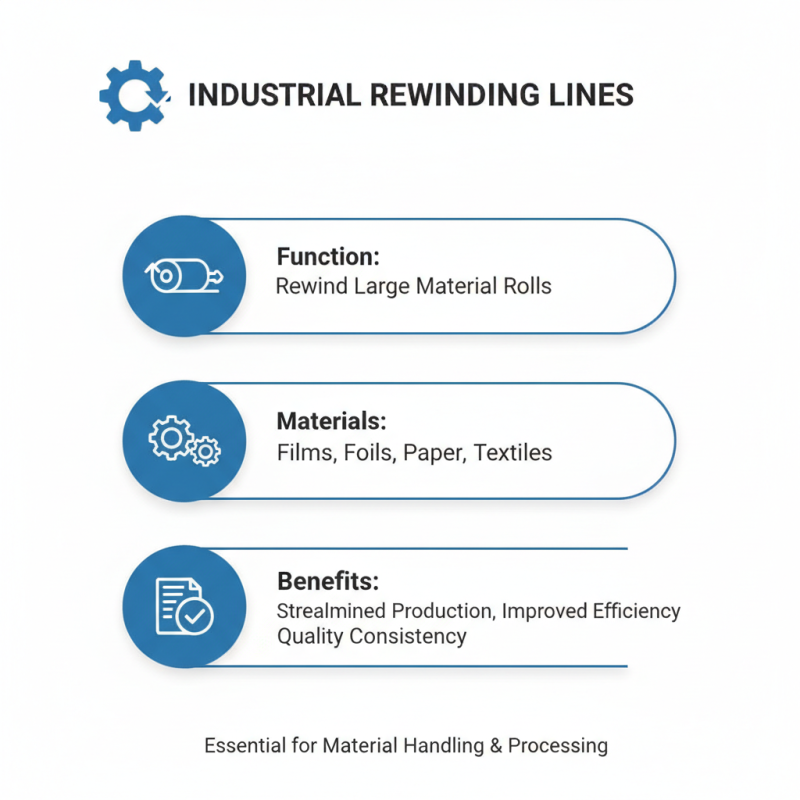
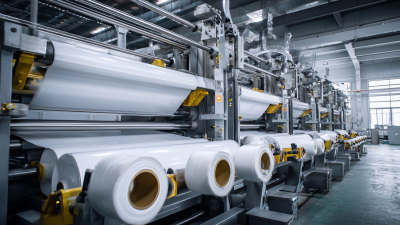
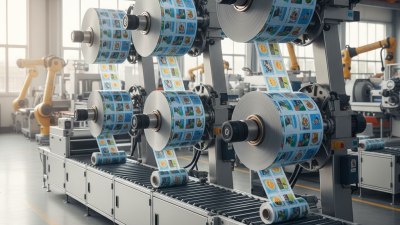
Rewinding lines play a crucial role in various industrial applications, serving as essential equipment for handling and processing materials. These systems are designed to rewind large rolls of material, such as films, foils, paper, and textiles, which streamlines production processes and improves operational efficiency. By carefully managing the tension and alignment of materials during rewinding, these lines reduce the risk of defects and ensure quality consistency in the final product.
In addition to enhancing product quality, rewinding lines offer significant flexibility in manufacturing operations. They can be tailored to accommodate different types of materials and production requirements, supporting both small and large batch sizes. This adaptability makes them indispensable in dynamic industrial environments where demand can fluctuate rapidly. Furthermore, the automation features incorporated in modern rewinding lines can lead to considerable time savings, enabling operators to focus on critical tasks while the equipment performs repetitive actions, thus promoting overall productivity within the facility.
Rewinding lines have become an integral component in various industrial processes, significantly enhancing operational efficiency. According to a recent report by Research and Markets, the automation of production lines, including rewinding technologies, can lead to efficiency improvements of up to 30%. This increase is largely attributed to the streamlined workflow that rewinding lines provide, allowing for quicker turnaround times and reducing manual handling. By mechanizing the rewinding process, industries can minimize downtime and better manage high-demand production schedules.
Furthermore, the integration of rewinding lines not only optimizes production speed but also enhances product consistency. A study conducted by the International Journal of Industrial Engineering indicates that automated rewinding systems can reduce product defects by as much as 25%. This is crucial in industries where precision is paramount, such as in the manufacturing of specialty films or flexible packaging.
The adaptability of rewinding lines ensures that varying production requirements can be met without compromising quality, making it a vital asset for industries striving for excellence and competitiveness in the market.
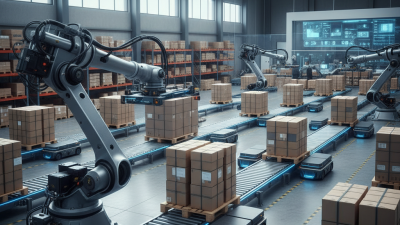
In industrial applications, the use of a rewinding line significantly enhances material handling capabilities, making operations more efficient and streamlined. A rewinding line is designed to manage various materials in bulk, allowing for the seamless transformation of raw materials into more manageable forms. This capability reduces the need for manual handling, which can be labor-intensive and prone to errors, thereby increasing overall productivity and minimizing the risk of workplace injuries.
Furthermore, the improved material handling offered by rewinding lines facilitates better organization and storage of materials. Automating the process of winding and unwinding ensures that materials are stored in a compact and orderly manner, which optimizes warehouse space and allows for easy access when needed. This systematic approach to material handling not only saves time during the retrieval process but also contributes to a safer work environment, as workers can more easily navigate around well-organized storage areas. Overall, the integration of rewinding lines into industrial operations leads to enhanced efficiency, safer practices, and improved material management.
The integration of rewinding lines in industrial applications is increasingly recognized for its cost-effectiveness. According to a report by the Manufacturing Institute, industries that have adopted advanced automation technologies, including rewinding systems, have seen productivity increases of up to 30%. This not only maximizes operational efficiency but also significantly reduces labor costs associated with manual winding processes. Furthermore, the investment in rewinding line technology can be recouped within two years through savings in labor and increased production rates, making it a financially viable option for many businesses.
When considering the integration of a rewinding line, it's crucial to optimize the workflow to maximize cost benefits. Tip: Conduct a thorough analysis of the current production processes to identify areas where time and resources are wasted. By doing so, companies can streamline operations and enhance the effectiveness of the rewinding system.
Another important factor is maintenance-related expenses. Advanced rewinding lines are designed for durability and minimal maintenance, which leads to lower long-term operational costs. Reports indicate that companies utilizing automated systems experience a reduction in machine downtime by 15%, allowing for a more consistent production flow. Tip: Regularly schedule maintenance checks to ensure equipment operates at peak performance, further reducing unexpected repair costs and maximizing the lifespan of your rewinding line.
Rewinding lines have gained significant traction across various industries due to their impressive versatility and adaptability. In manufacturing, these systems enable the efficient conversion and management of materials like paper, plastic films, and textiles. For instance, in the packaging industry, rewinding lines streamline the production of rolls, allowing for precise cutting and rewinding of materials according to specific customer requirements. This adaptability not only enhances production efficacy but also supports a wide array of customizable options that cater to diverse product specifications.
Beyond manufacturing, rewinding lines are becoming increasingly integral in sectors like electronics and textiles. In electronics, for example, they facilitate the handling of wiring and cables, supporting high-speed production lines with minimal downtime. Meanwhile, in the textile sector, rewinding is essential for processing fabrics, ensuring they are neatly rolled and ready for further treatment or shipping. This versatility across industries showcases the rewinding line's role as a critical component for optimizing processes, reducing waste, and enhancing product quality, making it a valuable asset for businesses looking to improve operational efficiencies.