Discover the Best Automatic Case Erector for Your Business Needs?
In today's fast-paced manufacturing environment, efficiency is paramount. An "Automatic Case Erector" can significantly streamline your packaging process and improve operational efficiency. According to recent industry reports, nearly 75% of companies are shifting towards automation to reduce labor costs and boost productivity. These machines eliminate manual handling, providing consistency in packaging and minimizing errors.
Choosing the right Automatic Case Erector depends on various factors, including production volume and box specifications. The complexity of your needs can lead to bias in selecting equipment. While many models claim superior performance, it’s essential to evaluate their reliability and maintenance requirements. Reports indicate that 30% of businesses struggle with downtime due to equipment failures, which can negate the benefits of automation.
Investing in an Automatic Case Erector is not without challenges. You might face initial setup costs and a learning curve for your staff. Nevertheless, the potential return on investment is compelling. An effective case erector can save hours of labor and ensure rapid response to changing production demands. Balancing these aspects will pave the way for smarter business decisions.
Understanding Automatic Case Erectors: A Comprehensive Overview
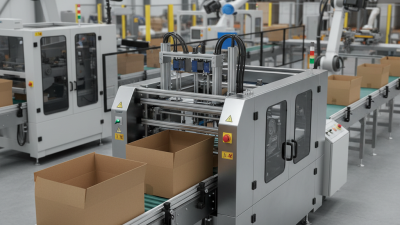
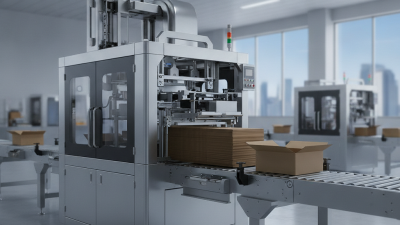
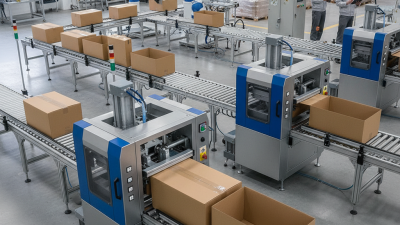
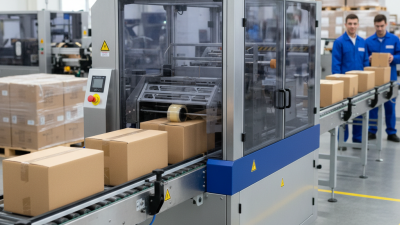
Automatic case erectors are essential in modern packaging operations. These machines streamline the process of assembling boxes, significantly increasing efficiency. Research shows that using an automatic case erector can enhance productivity by up to 30%. This is crucial for businesses aiming to meet growing demand and reduce labor costs.
Understanding the mechanics behind automatic case erectors reveals their versatility. They can handle various box sizes and materials, catering to diverse packaging needs. Reports indicate that integrating advanced technology in case erecting can lead to a reduction in waste by 25%. However, some users report issues with maintenance and operational downtime. These challenges highlight the need for proper training and occasional adjustments to ensure peak performance.
Moreover, not all automatic case erectors are equal in terms of reliability and efficiency. Some systems struggle with inconsistent box quality. This inconsistency can lead to product damage or delays in the packing process. Businesses must carefully evaluate their specific requirements. They need to ensure that their chosen machine aligns with their operational goals.
Key Features to Consider When Choosing an Automatic Case Erector
When selecting an automatic case erector, consider its speed and efficiency. A report from the Institute of Packaging Professionals states that the right machine can increase production speeds by up to 30%. This efficiency does not just lower labor costs; it also reduces material waste significantly. Machines that utilize advanced technology can optimize box dimensions, making the best use of packaging materials.
Integration with existing systems is crucial. Many businesses face challenges when upgrading equipment. Ensuring compatibility with your current setup is essential to avoid costly delays. Look for machines equipped with IoT capabilities. These can provide real-time data and improve workflow. However, not all systems are plug-and-play. The learning curve can affect initial productivity levels.
Finally, maintenance requirements should not be overlooked. A detailed guide from the Packaging Machinery Manufacturers Institute reveals that improper maintenance can lead to 20% downtime in production. Some designs focus on ease of maintenance. Tools and parts should be accessible. Yet, many businesses still find this aspect is often neglected in their planning phases. Choosing a machine that balances performance with reliability can be a challenging task.
Automatic Case Erector Comparison
Comparison of Leading Brands and Models in the Market
When evaluating automatic case erectors, it's essential to consider a few key models in the market. Each model boasts unique features that cater to different business needs. For instance, some are designed for high-speed production, while others excel in versatility. The choice depends on the scale of operation and types of products being packaged.
An effective erector can significantly reduce labor costs. However, the initial investment may seem steep. Businesses must weigh this against the long-term savings on labor and increased efficiency. Features like ease of operation and maintenance also play a crucial role. Often, machines come with extensive training manuals, but not all staff grasp instructions easily. This can lead to operational hiccups.
Different brands often have varying levels of reliability. It's not uncommon for certain models to face frequent breakdowns, leading to downtime. Researching user reviews and industry ratings can provide insight into long-term performance. A thorough comparison can illuminate hidden costs and benefits. These considerations are critical for making an informed choice.
Evaluating the Cost-Effectiveness of Automatic Case Erectors
When evaluating the cost-effectiveness of automatic case erectors, it’s crucial to analyze your specific business needs. These machines can drastically improve efficiency and accuracy in packaging processes. However, their initial investment can be daunting. It is essential to weigh the long-term benefits against the upfront costs.
Tips: Consider your production volume. Higher output justifies the investment more clearly. Analyze the machine's lifespan and maintenance costs. They can impact your total expenditure significantly.
Productivity gains from automatic case erectors are noticeable. Employees can focus on more critical tasks while the machine handles case formation. However, not every operation may benefit equally. Businesses with low packaging demands might find these machines unnecessary.
Tips: Assess your current packaging workflow. Identify bottleneck areas that an automatic case erector might alleviate. Keeping in mind the potential need for training can also influence the overall cost-effectiveness. This reflection is crucial for maximizing your investment.
Real-World Applications: Success Stories and Best Practices in Industry
In the fast-paced world of packaging, automatic case erectors have transformed operations in various industries. Companies have experienced significant improvements by adopting these machines for their packaging processes. One particularly successful example featured a mid-sized food manufacturer. They implemented an automatic case erector, which boosted their output by 30%. This change minimized labor costs and reduced physical strain on workers.
Another fascinating case involved a cosmetics business seeking to enhance their packaging line. After switching to an automatic case erector, they noticed a remarkable increase in efficiency. The machine ensured that cases were consistently formed and sealed, minimizing material waste. However, they also encountered challenges during the initial stages. Adjustments were necessary to accommodate different box sizes. Such reflections highlight the need for ongoing evaluation and adaptation to maximize the benefits of automatic erectors.
In the beverage industry, one company reported overcoming supply chain disruptions by investing in automation. They found that their new case erector not only sped up production but also improved safety. Workers felt safer as heavy lifting was reduced. Despite this success, they noted the importance of staff training in using the new technology effectively. Continuous learning remains critical, even amidst automation. Each success story adds to the understanding of how these machines can drive business growth and efficiency.
Discover the Best Automatic Case Erector for Your Business Needs
| Industry |
Case Erector Model |
Production Speed (cases/min) |
Material Used |
Success Rate (%) |
| Food & Beverage |
Model A1 |
20 |
Cardboard |
98 |
| Consumer Goods |
Model B2 |
25 |
Plastic |
95 |
| Pharmaceutical |
Model C3 |
15 |
Kraft Paper |
97 |
| Electronics |
Model D4 |
30 |
Cardboard |
92 |
| Chemical |
Model E5 |
18 |
Composite |
94 |