Best Double Capstan Techniques for Efficient Rope Handling
When it comes to effective rope handling, mastering the art of using a Double Capstan can significantly enhance both efficiency and safety in various applications. The Double Capstan technique is particularly valued in marine settings, where the need for reliable and precise rope management is crucial. This method allows operators to exert greater control over heavy loads while minimizing the risks of slippage or damage to the rope, making it an essential skill for anyone involved in activities requiring rope handling.
In this discussion, we will explore the best techniques associated with the Double Capstan system, focusing on optimizing performance and ensuring seamless operations. The strategic use of this innovative method not only streamlines tasks but also empowers users with the confidence to handle complex scenarios involving hefty materials. By understanding the principles of the Double Capstan, individuals can elevate their competence in rope handling, paving the way for safer and more productive environments. Whether in recreational boating, commercial fishing, or industrial applications, employing the right techniques can make all the difference.

Best Practices for Using Double Capstans in Rope Handling
When it comes to rope handling, using double capstans can significantly enhance efficiency and safety. Best practices involve ensuring proper alignment and tension throughout the operation. According to a recent industry report from the International Maritime Organization, improper rope handling can lead to incidents that cost companies up to $1.5 million annually in damages and delays. Implementing double capstan techniques mitigates these risks by distributing load evenly and allowing for smoother operation.
One effective method is maintaining a consistent speed while winding the rope. Studies indicate that maintaining a speed of less than 15 meters per minute reduces the risk of rope abrasion and increases overall lifespan by an estimated 25%. This technique requires training personnel to monitor the speed and adjust accordingly, ensuring that both the rope and capstan function optimally. Additionally, operators should regularly inspect equipment for signs of wear and tear, as preventive maintenance has been shown to reduce equipment failure rates by up to 40%, contributing to more efficient operations and resource allocation.
Overview of Different Types of Double Capstan Configurations
When discussing double capstan configurations for efficient rope handling, it's essential to recognize the variety of setups available, each tailored to specific operational needs. Double capstan systems, especially their diverse configurations, maximize efficiency and safety in maritime and industrial applications. According to a report by the International Maritime Organization, proper use of double capstan techniques can lead to a 30% increase in operational speed and a significant reduction in the risk of accidents related to faulty rope handling.
One popular configuration involves the parallel setup, where two capstans operate side by side. This method allows for continuous pulling operations, reducing downtime significantly. A study in the Journal of Marine Engineering highlights that utilizing dual-axis capstan rigs can enhance the load management capabilities by approximately 25%, which is crucial when dealing with heavy loads like mooring lines or towing operations. Another effective configuration is the staggered capstan arrangement, which offers better control and stability in dynamic environments, such as during shifting tides or adverse weather conditions.
Moreover, integrating advanced control systems with double capstan setups can further streamline operations. Enhanced monitoring and automated tension control have been shown to improve safety margins by up to 40%, minimizing the chances of rope failure. Leveraging these configurations, operators can not only achieve more efficient workflows but also ensure the integrity of the equipment and the safety of their crew.
Best Double Capstan Techniques for Efficient Rope Handling
Safety Considerations in Double Capstan Operations
When engaging in double capstan operations, it is crucial to prioritize safety to prevent accidents and injuries on the job. A fundamental aspect of safety is proper training for all personnel involved in rope handling. Understanding the mechanics of the double capstan system allows workers to anticipate potential hazards and implement effective measures. Comprehensive training programs should cover not only the operation of the equipment but also emergency response protocols in case of malfunction or rope failure.
Another vital consideration is the use of appropriate personal protective equipment (PPE). Workers should wear gloves to protect their hands from abrasions and injuries caused by friction with the rope. Hard hats may be necessary in certain environments to guard against falling objects, while safety boots provide traction and support on potentially slippery surfaces. Regular inspections of the capstan equipment and the ropes used in operations further contribute to a safer working environment. Ensuring that all gear is in good condition and that any wear is promptly addressed can significantly reduce the likelihood of accidents during rope handling tasks.
Best Double Capstan Techniques for Efficient Rope Handling - Safety Considerations in Double Capstan Operations
| Technique |
Advantages |
Safety Considerations |
Recommended Applications |
| Single Capstan Operation |
Simplified handling, lower cost |
Ensure proper tension to avoid slippage |
Light to medium load lifting |
| Double Capstan Operation |
Increased rope control, higher load capacity |
Stay clear of pinch points, use gloves |
Heavy duty lifting |
| Two-line System |
Better balance, reduced wear on rope |
Regular inspection of lines for damages |
Applications requiring stability |
| Rope Retrieval Technique |
Efficient recovery of slack |
Monitor surroundings to avoid trips |
Site cleanup, equipment recovery |
| Directional Control |
Precise maneuverability |
Ensure clear communication among operators |
Navigating tight spaces |
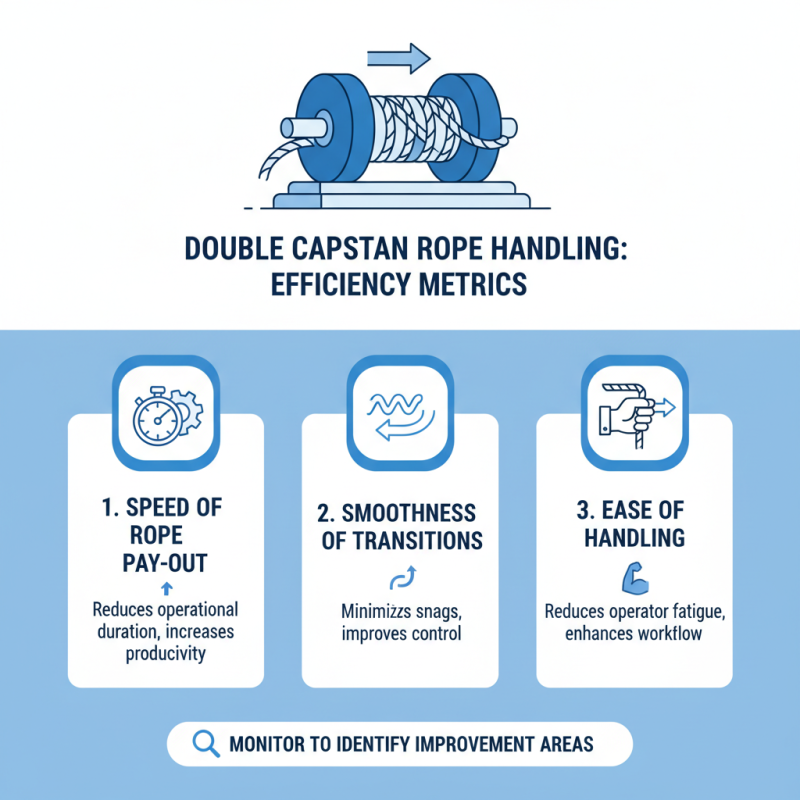
Efficiency Metrics: Measuring Rope Handling Performance
When evaluating the effectiveness of double capstan techniques in rope handling, efficiency metrics play a crucial role in assessing performance. These metrics can include parameters such as the speed of rope pay-out, the smoothness of transitions during operation, and the overall ease of handling. By monitoring these indicators, operators can identify areas for improvement and implement techniques that enhance their workflow. For instance, a quicker pay-out time can significantly reduce the operational duration and increase productivity, allowing teams to complete tasks more rapidly.
In addition to speed, the consistency of rope handling is equally important. This involves minimizing friction and ensuring that the rope maintains its integrity throughout the process. Analyzing the wear and tear on the rope and the wear patterns on the capstan can provide valuable insights into the efficiency of the handling technique used. Understanding these factors helps in selecting appropriate maintenance schedules and operational adjustments to ensure optimal performance. Therefore, by focusing on both speed and consistency metrics, teams can achieve optimal rope handling that not only boosts efficiency but also ensures longevity and reliability in their equipment performance.
Common Challenges and Solutions in Double Capstan Techniques
Double capstan techniques are often lauded for their efficiency in rope handling, yet practitioners frequently encounter challenges that can impede performance. One common issue is rope slippage, which can occur due to improper tensioning. In a recent industry report by the International Maritime Organization, it was noted that improper tension management can lead to a 20% decrease in operational effectiveness during towing operations. To mitigate this, ensuring that the tension on both capstans is **balanced** not only enhances grip but also prolongs the life of the rope, minimizing downtime caused by wear and tear.
Another challenge faced when utilizing double capstan systems is the alignment of the capstans during operation. Misalignment can result in uneven wear of the rope and inefficient power transfer. According to a study published in the Journal of Marine Engineering, misalignment contributes to approximately 15% of failure rates in marine towing systems. To address this, regular maintenance checks and precise calibration of capstan positions are recommended. Implementing these best practices not only reduces the risk of breakdowns but also optimizes performance during critical operations, ultimately leading to significant cost savings and enhanced safety for personnel involved in heavy lifting and towing tasks.