Best Double Twist Bunching Machine for Efficient Production Solutions?
In the fast-evolving landscape of textile manufacturing, the demand for efficient production tools has never been higher. The "Double Twist Bunching Machine" stands out as a pivotal technology. A recent industry report highlights that integrating advanced bunching machines can enhance productivity by up to 30%. This improvement is vital as businesses strive to meet growing customer demands.
Experts like Dr. Emily Serrano emphasize the significance of this technology, stating, "A well-implemented Double Twist Bunching Machine can redefine production efficiency and quality." Despite its advantages, many manufacturers face challenges in maximizing its potential. Issues like inadequate training and maintenance can hinder optimal performance.
Thus, while the "Double Twist Bunching Machine" offers remarkable benefits, manufacturers must reflect on their current practices. Balancing innovation with real-world execution remains crucial for achieving lasting success in production solutions.
Overview of Double Twist Bunching Machines
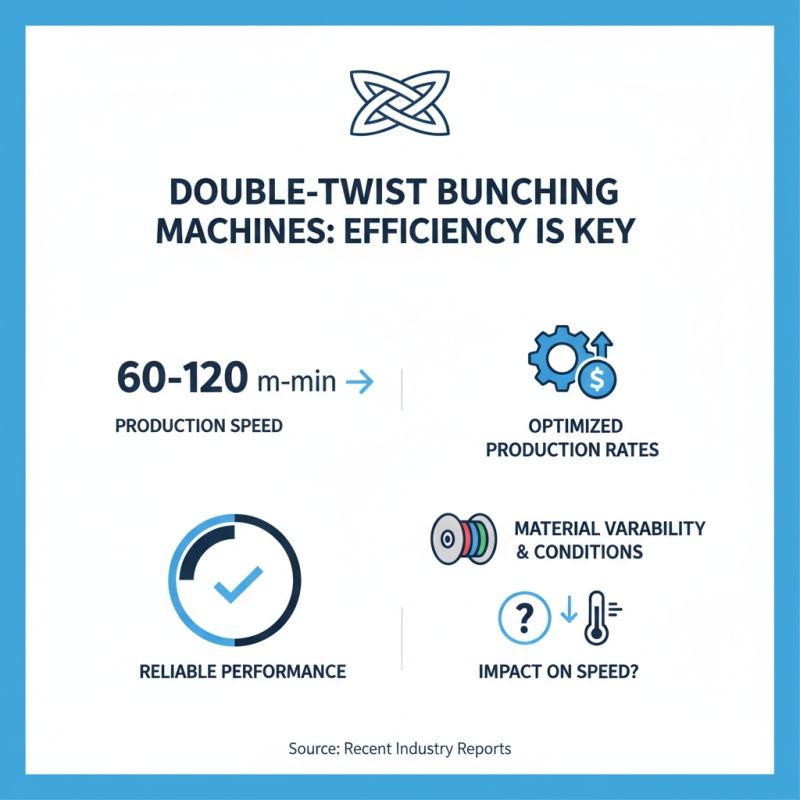
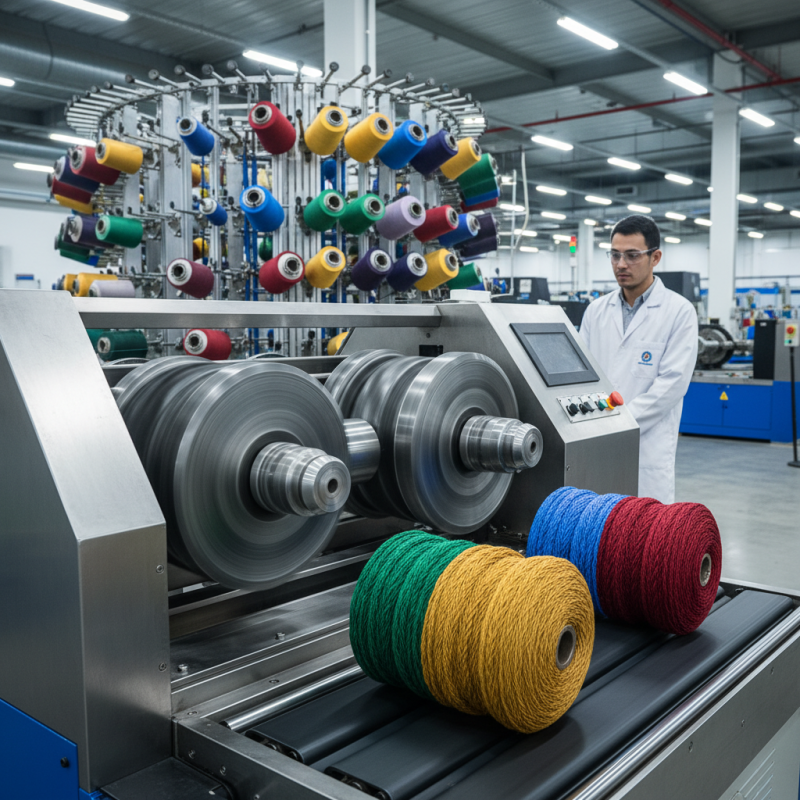
Double twist bunching machines are essential for optimizing wire and cable production. These machines streamline the process by twisting multiple wires together, enhancing efficiency. According to industry reports, manufacturers can achieve up to a 30% boost in productivity when integrating advanced bunching technology.
The global wire and cable market is projected to grow at a CAGR of 6.5% from 2021 to 2028. This growth highlights the increasing demand for quality and efficient production solutions. However, not all producers leverage double twist technology effectively. Some still rely on outdated methods, which can lead to inconsistent product quality. Addressing these gaps is crucial for staying competitive.
Proper maintenance of double twist bunching machines is vital for optimal performance. Regular checks can prevent unexpected breakdowns. Yet, many operators overlook this aspect. This oversight can result in longer downtimes and increased costs. Therefore, investing in training for skilled operators could bridge this gap. Emphasizing ongoing education ensures that the machinery is always running at its best.
Key Features to Consider in Selection
When selecting a double twist bunching machine, several key features must be considered. Speed and efficiency are crucial. A machine that can operate at 100 to 150 bunches per minute is ideal for large-scale production. According to industry reports, speeds directly impact overall productivity by up to 30%.
Durability and maintenance requirements also play a role. Machines made from high-quality materials often last longer, reducing downtime. Operators should assess if the machine needs frequent part replacements. A machine that requires constant attention can negate some of its efficiency gains.
Moreover, versatility in handling various materials is essential. Some machines struggle with diverse product types, leading to wasted time during changeovers. Flexibility in production is increasingly valuable, especially as market demands shift. This adaptability can make a significant difference in a manufacturer's ability to respond to customer needs quickly. Understanding these features can lead to better investment decisions.
Maintenance Tips for Optimal Performance
Maintaining a double twist bunching machine is crucial for its performance. Regular care can extend its lifespan significantly. Begin with daily inspections. Check for any unusual noise or wear. Pay attention to the belts and gears. If you notice any fraying or grinding, address it immediately. Small issues can lead to bigger problems or downtime.
Lubrication is vital. Ensure all moving parts are well-greased. This helps avoid friction and overheating. Lack of lubrication could lead to machine failure. Schedule a routine oil change based on usage. Keep the machine clean from dust and debris, as build-up can obstruct performance. Use a soft cloth for delicate areas to avoid damage.
Error can happen, even with thorough maintenance. If the machine jams, don’t force it. Take time to diagnose the issue. Proper troubleshooting saves energy and time. A reflective approach helps identify patterns in breakdowns. Analyze the frequency of maintenance needs. It provides insight into overall efficiency. Remember, even well-maintained machines need occasional professional assessments to truly thrive.
Best Double Twist Bunching Machine for Efficient Production Solutions? - Maintenance Tips for Optimal Performance
| Machine Model |
Production Speed (Bunches/Min) |
Power Consumption (kW) |
Maintenance Frequency (Months) |
User Rating (out of 5) |
| Model A |
150 |
3.5 |
6 |
4.2 |
| Model B |
200 |
4.0 |
8 |
4.5 |
| Model C |
175 |
3.8 |
12 |
4.0 |
| Model D |
160 |
4.2 |
6 |
4.8 |
Innovations and Future Trends in Bunching Technology
Bunching technology is evolving rapidly. Innovations focus on improving efficiency and production speed. A recent industry report shows that automation can increase production rates by up to 30%. This is significant for manufacturers aiming to minimize costs and maximize output.
New double twist bunching machines incorporate advanced sensor technology. These machines can detect irregularities in real-time. A study revealed that such features reduce waste by roughly 15%. However, integrating this technology raises concerns about training staff. Not all workers are accustomed to these advancements.
Additionally, sustainability is becoming a priority. Industry data indicates that 65% of consumers prefer products made with eco-friendly processes. While manufacturers aim to meet these demands, challenges remain. Transitioning to greener practices may require substantial investment. Balancing innovation with cost-effectiveness is essential for future growth.