2026 Best Robotic Palletisers for Efficient Warehousing Solutions?
In the rapidly evolving world of warehousing, Robotic Palletisers have emerged as crucial tools for enhancing efficiency. These machines automate the process of stacking products onto pallets, significantly reducing labor costs and errors. With the increased demand for faster and more reliable logistics, the importance of these technologies cannot be overstated.
However, not all Robotic Palletisers are created equal. Selecting the best model often involves a complex evaluation process. Factors such as load capacity, speed, and adaptability to different product types play vital roles. In a market filled with options, knowing which features matter most is crucial for making informed decisions.
As we delve into the 2026 landscape of Robotic Palletisers, it’s essential to explore both the strengths and weaknesses of various models. While many demonstrate impressive capabilities, some may fall short in specific areas. Understanding these nuances can help businesses optimize their warehousing operations and invest wisely in automation technology.
Overview of Robotic Palletisers in Modern Warehousing
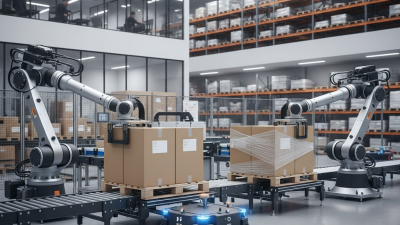
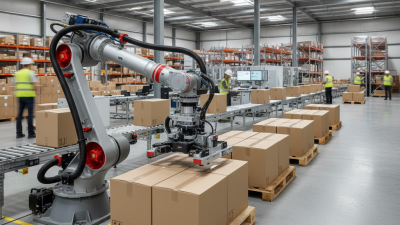
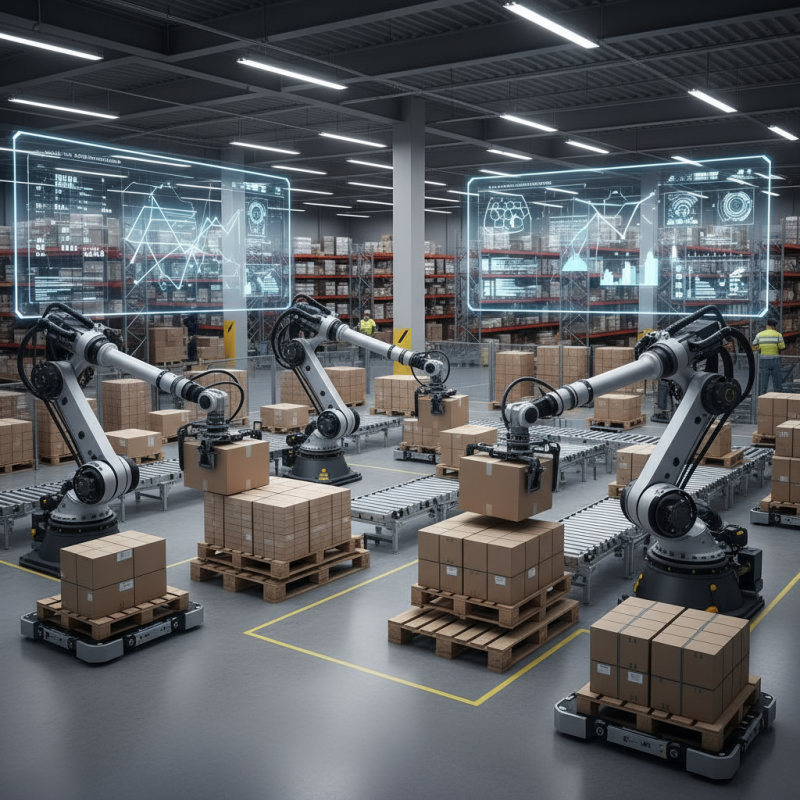
Robotic palletisers are transforming modern warehousing. These machines efficiently stack goods, saving time and labor costs. They are ideal for high-volume operations, improving logistics accuracy. Many warehouses are integrating these systems into their workflows.
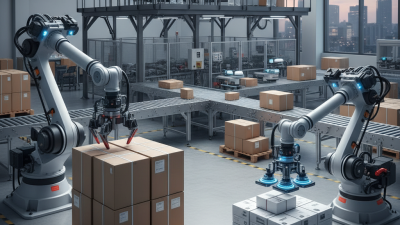
One key advantage of robotic palletisers is flexibility. They can handle a variety of product shapes and sizes. This adaptability can come with challenges. Some machines might struggle with irregularly shaped items. Continuous improvement is essential to address these gaps. Regular maintenance and updates can enhance performance.
Another consideration is the initial investment. While robotic systems can improve efficiency, the upfront costs are significant. Companies must weigh these costs against potential savings. Training staff to operate and maintain these machines is crucial. This step ensures system reliability and maximizes ROI. Balancing technology with human skills remains a critical aspect of successful warehousing.
Key Features to Consider When Selecting a Robotic Palletiser
When selecting a robotic palletiser, several key features are essential for ensuring efficiency in warehousing solutions. One crucial aspect to consider is payload capacity. The robotic system must handle various products in different weight categories. Understanding the maximum weight limits helps avoid operational bottlenecks.
Another important feature is flexibility in design. Robotic palletisers should be adaptable to different packaging types and sizes. This capability allows for seamless integration into existing workflows. It also reduces downtime during product changeovers. Moreover, ease of programming and operation should not be overlooked. User-friendly interfaces can significantly minimize training time.
It's critical to assess the maintenance requirements as well. Advanced robotics may come with complex maintenance needs, which can lead to unforeseen downtime. Regular maintenance is vital for keeping systems running optimally. Additionally, a scalable solution may be preferable. As business grows, the ability to upgrade or expand the palletising system becomes more important. These considerations will help in selecting the best solution tailored to specific warehousing needs.
2026 Best Robotic Palletisers Comparison
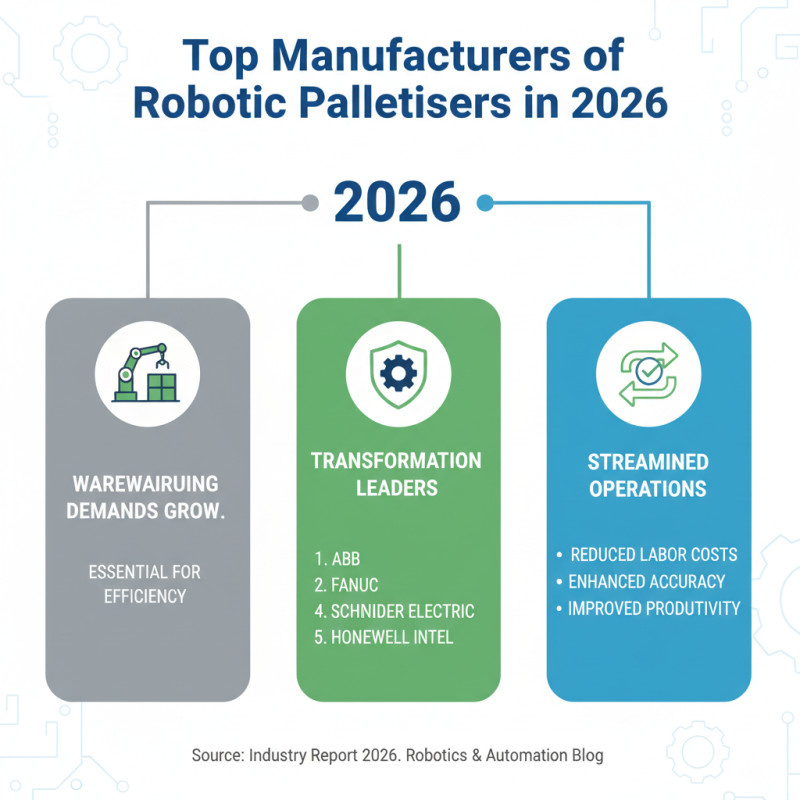
Top Manufacturers of Robotic Palletisers in 2026
As warehousing demands grow, robotic palletisers are essential for efficiency. Many manufacturers are leading this transformation in 2026. These machines streamline the packaging process, reducing labor costs. In addition, they enhance accuracy in item handling. Various designs cater to specific needs, improving the overall productivity of warehouse operations.
Key players focus on adaptability in their robotic solutions. Each manufacturer strives to incorporate advanced technology, such as artificial intelligence. This allows for more efficient inventory management and responsiveness. However, not all designs perform equally well in diverse environments. Some may struggle with fragile or oversized items. Such challenges require constant evaluation and potential redesign. User feedback indicates that flexibility is crucial for different warehousing circumstances.
Safety remains a primary concern with robotic systems. While advancements aim for precision, human interaction is still necessary. Proper training is vital for staff working alongside these machines. Incorrect usage can lead to accidents or equipment damage. Continuous improvement and attention to detail will enhance the reliability of robotic palletisers. Manufacturers must prioritize this balance of innovation and safety.
Comparative Analysis of Leading Robotic Palletisers
When evaluating robotic palletisers, efficiency and versatility stand out. Many companies adopt these solutions to streamline their warehousing processes. They significantly reduce labor costs and improve accuracy. Some robotic systems can handle various product sizes and weights. This flexibility can be a game-changer for warehouses dealing with multiple SKUs.
Choosing the right robotic palletiser requires careful assessment. Consider your warehouse layout and product flow. Not all systems fit into every environment seamlessly. Connecting with experts can offer insights tailored to your specific needs.
Tips: Always involve your staff in the selection process. They offer valuable perspectives on usability. Test different models before making a commitment. This hands-on approach can help identify potential problems early on. Investing time in research pays off in the long run. Technology evolves quickly, so stay updated on the latest advancements.
2026 Best Robotic Palletisers for Efficient Warehousing Solutions
| Model |
Payload Capacity (kg) |
Speed (Cycles/min) |
Integration Ease |
Cost (USD) |
Energy Efficiency |
| Model A |
800 |
10 |
High |
50,000 |
A+ |
| Model B |
1200 |
8 |
Moderate |
65,000 |
A |
| Model C |
1000 |
12 |
Easy |
55,000 |
A+ |
| Model D |
900 |
9 |
Very Easy |
45,000 |
B+ |
Future Trends in Robotic Palletisation Technology and Automation
The future of robotic palletisation technology is promising. Advancements are focusing on adaptability and efficiency. Robots are becoming smarter. They can learn and optimize their tasks in real-time. Agile robotic systems can handle diverse products. This adaptability is vital for modern warehousing.
Automation will witness significant trends. Enhanced AI will improve decision-making capabilities. Real-time data integration can streamline processes. Workers can expect to collaborate more with robots. This collaboration can lead to increased productivity.
However, there are challenges. The initial setup costs can be high. Training staff to work alongside robots poses hurdles too.
Sustainability is a key focus. Future robotic systems will aim to reduce waste. Energy-efficient designs are becoming crucial. Companies must balance cost with efficiency. Continuous innovation is essential. Reflecting on potential pitfalls will be necessary for improvement. Transitioning into automation requires careful thought.