Why Choose an Automated Packaging Machine for Your Business?
In today’s fast-paced market, efficiency is crucial. Companies are increasingly turning to automated solutions. An Automated Packaging Machine can significantly boost productivity. According to a report by Smithers Pira, the global automated packaging market is projected to reach $78 billion by 2024, reflecting a robust growth trend.
Investing in these machines is more than a trend; it's a strategic move. They minimize human error and reduce labor costs. A study by the International Society for Automation indicates that automating packaging processes can cut operational costs by up to 30%. This is particularly relevant as labor shortages continue to challenge industries.
However, adopting an Automated Packaging Machine is not without challenges. Companies must assess the initial costs and integration complexities. It's essential to reflect on the long-term benefits versus short-term costs. Ultimately, these machines offer a path to improved efficiency and competitiveness in the packaging sector.
Importance of Automation in Modern Packaging Processes
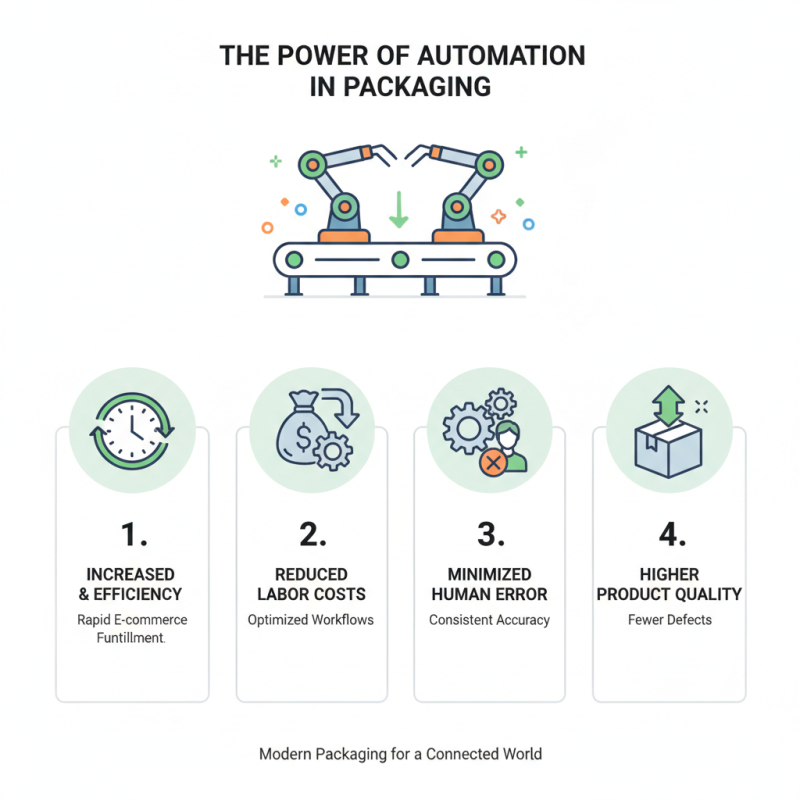
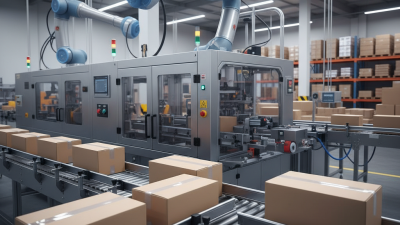
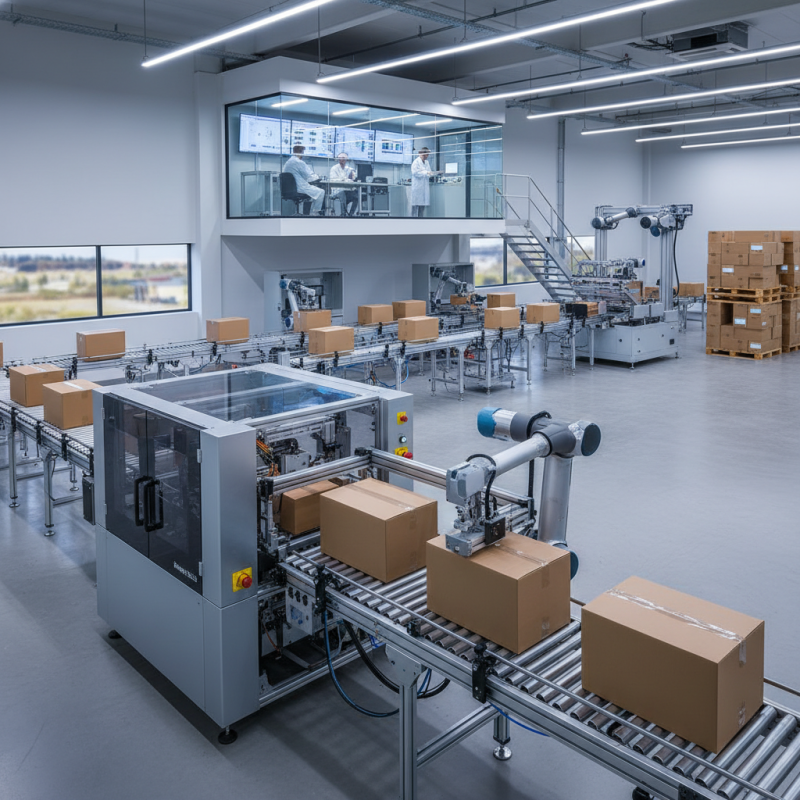
Automation plays a crucial role in modern packaging processes. With the rise of e-commerce, businesses face increasing demands for speed and efficiency. Automated packaging machines streamline workflows, reducing labor costs and minimizing human error. These machines operate consistently and accurately, leading to higher product quality and fewer defects.
Implementing automated systems can feel intimidating. Many businesses worry about the upfront investment and potential disruptions to existing processes. However, the long-term benefits often outweigh these initial concerns. Automation allows for scalability. As demand fluctuates, machines can adapt quickly without the need for extensive retraining.
Moreover, automated packaging enhances safety in the workplace. Machines can handle repetitive and heavy tasks, minimizing strain on employees. However, it’s essential to remember that automation does not eliminate the need for human oversight completely. Regular maintenance and quality checks are vital. Balancing technology with human skills can drive success in packaging operations.
Benefits of Cost Efficiency and Labor Reduction
Automated packaging machines offer significant benefits, particularly in cost efficiency and labor reduction. By streamlining the packaging process, businesses can save both time and money. Traditional packaging often requires extensive manual labor, which can lead to errors and inconsistencies. These machines minimize human involvement, reducing the likelihood of costly mistakes.
Labor costs can quickly add up. Hiring staff for packaging tasks involves salaries, benefits, and training—expenses that can be avoided with automation. An automated system can perform repetitive tasks consistently and accurately. This not only saves costs but also allows workers to focus on higher-skilled jobs that add more value to the business.
Investing in automated packaging isn't without challenges. Initial costs can be high, and there may be a learning curve for your team. Businesses should carefully assess their production needs and potential ROI. It’s important to reflect on whether the change will truly align with long-term goals. While automation boosts efficiency, it’s crucial to maintain a balance between human skills and machine capabilities.
Advancements in Technology for Packaging Solutions
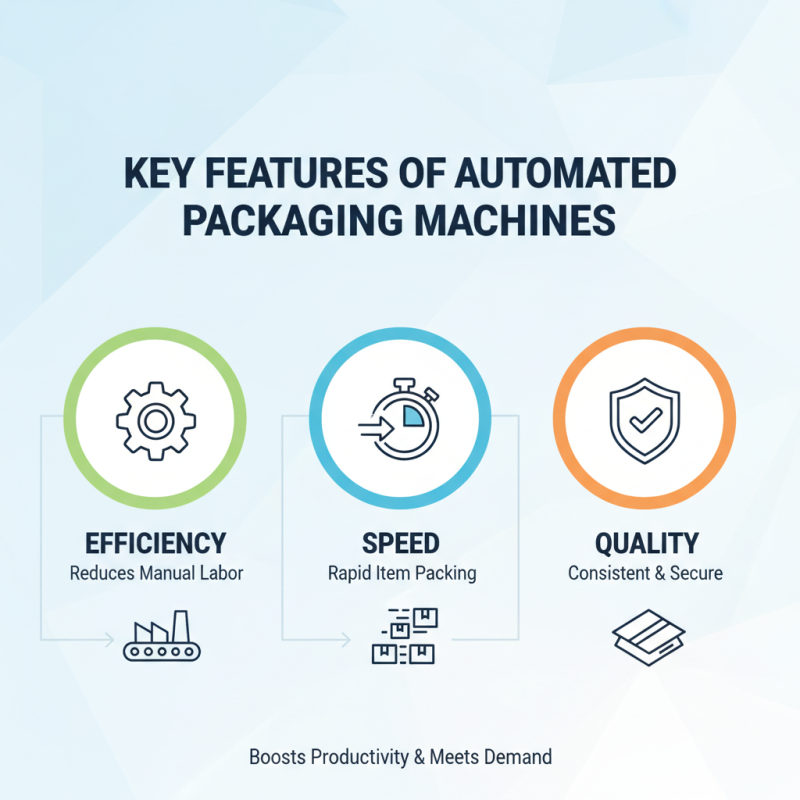
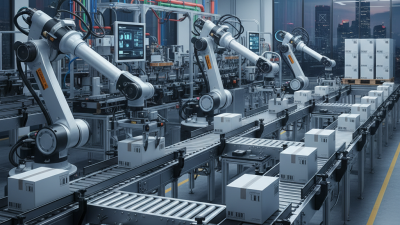
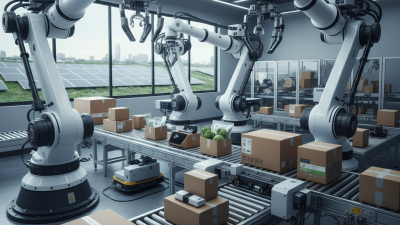
Advancements in technology have significantly transformed packaging solutions. Automated packaging machines now offer enhanced efficiency and precision. These machines streamline operations, reducing the time spent on manual packaging. This shift allows businesses to focus on core activities, boosting productivity.
Tips: Consider machine compatibility. Ensure your automated packaging machines work seamlessly with existing equipment. Evaluate your specific packing needs. A one-size-fits-all solution may not yield the best efficiency.
Moreover, the integration of smart technologies is noteworthy. Sensors and data analytics optimize the packaging process. This leads to less waste and lower operational costs. It's essential to regularly assess these technologies. Sometimes, older machines provide unexpected insights into what could be improved.
Tips: Regular maintenance is key. Schedule routine checks to avoid downtime. Train your staff on new technology. This boosts confidence and ensures optimal use of the equipment.
Advantages of Automated Packaging Machines
This bar chart illustrates the key advantages of implementing automated packaging machines in a business. Increased efficiency, cost reduction, enhanced quality, flexibility, and safety are some of the critical benefits that can be achieved through advanced technology in packaging solutions. Each advantage is represented as a percentage, showcasing its significance in overall operational improvements.
Considerations When Choosing an Automated Packaging Machine
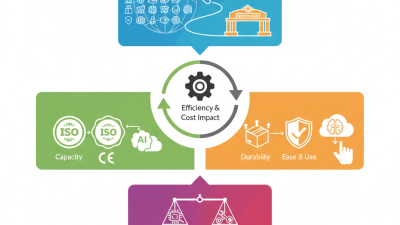
Choosing an automated packaging machine can be a significant decision for businesses. There are several factors to consider before making a choice. One essential consideration is the machine's speed and efficiency. A faster machine can boost productivity. However, it may also come with higher costs. It's important to balance these factors based on your production needs.
Another critical aspect is the versatility of the machine. Can it handle various packaging formats? Flexibility allows businesses to adapt to changing customer demands. Yet, some machines may promise versatility but fall short in performance. Always check the specifications and actual use cases.
Your facility's layout and workflow are also vital. The machine should fit seamlessly into your existing operations. Poor integration can lead to disruptions. Finally, consider the after-sales support and maintenance provided. Reliable support can save you time and money in the long run. It's worth reflecting on these factors before making a decision.
Why Choose an Automated Packaging Machine for Your Business? - Considerations When Choosing an Automated Packaging Machine
| Consideration |
Description |
Impact on Business |
| Speed |
Automated machines can fill, seal, and package products faster than manual labor. |
Increased productivity and reduced lead times. |
| Consistency |
Automation reduces variability in packaging, ensuring uniform quality. |
Higher customer satisfaction and lower returns. |
| Cost Efficiency |
While initial costs may be high, labor and material savings can be significant. |
Long-term savings and improved profit margins. |
| Flexibility |
Many machines can adapt to various sizes and types of packaging. |
Ability to quickly change product lines without extensive downtime. |
| Ergonomics |
Automated systems reduce repetitive strain on workers. |
Improved employee safety and satisfaction. |
| Return on Investment (ROI) |
Evaluating the expected increase in output against the cost. |
Achieving payback within a reasonable time frame can justify the investment. |