How to Choose the Best Double Capstan for Your Needs?
Choosing the right Double Capstan can be a daunting task. With various models available, understanding your specific needs is crucial. A Double Capstan is essential for those engaged in marine activities, as it significantly enhances efficiency in mooring and towing.
Consider the size and weight of the capstan. It should match your boat's capacity and purpose. Features like power source, speed, and durability are equally important. High-quality materials ensure longevity, but sometimes they come with a high price tag. Budget constraints may lead you to compromise on essential features.
Moreover, expert reviews and user experiences can guide your decision. Look for brands that are reputable and established. However, be cautious of biased reviews. Relying solely on ratings can lead to regret. The perfect balance between performance and cost is what many users struggle to find. Engage with fellow boaters for insights, as their experiences can be invaluable. This journey of selection is not always straightforward, but careful thought can lead to a better choice.

Understanding the Basics of Double Capstans
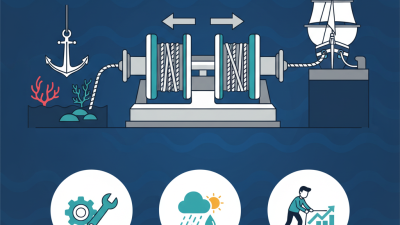
When considering a double capstan, it's important to understand its core components. A double capstan consists of two rotating drums that create substantial pulling power. This design allows for increased efficiency when mooring or towing. The basic mechanism involves the use of a cable that wraps around both drums. As the drums rotate, they grip the cable tightly, enhancing torque and load capacity.
Selecting the right model often involves evaluating your specific needs. Different tasks require varying levels of power and speed. It's crucial to assess the weight you need to move and the environment you'll be working in. For example, using a double capstan in a coastal area presents different challenges compared to a river setting. Pay attention to the material and build quality as well; not all models can withstand harsh conditions.
While many features appear appealing on paper, they may not always translate into real-life effectiveness. It can be tempting to choose a model with the highest specifications. However, simplicity sometimes yields the best results. Reflect on your experience and the tasks at hand. This self-reflection can uncover what capabilities you truly need, preventing unnecessary complications down the line.
Identifying Your Specific Needs and Applications
When selecting a double capstan, clarity about your specific needs is crucial. Start by evaluating the primary applications. Will it be used for mooring, towing, or lifting? Each use case demands unique specifications. For instance, if you need high pulling power, consider the capstan’s load capacity and strength. A higher capacity means more versatility. However, more power can also mean greater complexity in operation.
Next, analyze the environment where the capstan will be employed. Will it face harsh weather conditions? If so, durability becomes key. The materials used in construction play a significant role in the longevity of the equipment. Some materials hold up well against corrosion, while others may not. Think about your maintenance capabilities too; cheaper is not always better if issues arise frequently.
Lastly, reflect on your experience level with similar equipment. Beginners may require user-friendly designs with accessible controls. Advanced users might prioritize features that allow for precise operation. Finding the right balance between simplicity and versatility can be challenging. A double capstan should not only meet technical needs but also foster user confidence and skill development over time.
How to Choose the Best Double Capstan for Your Needs?
| Feature |
Description |
Application |
| Capstan Size |
Diameter ranging from 12" to 36" |
Used in varying line capacities |
| Material |
Made from stainless steel or aluminum |
Corrosion resistance for marine applications |
| Weight Capacity |
Up to 10,000 lbs |
Suitable for industrial lifting and towing |
| Power Source |
Electric or hydraulic |
Operational efficiency based on application |
| Portability |
Lightweight and compact design |
Ideal for sites with limited space |
| Safety Features |
Overload protection and emergency stop |
Ensures safe operation and compliance |
Evaluating Key Features and Specifications
When selecting a double capstan, key features and specifications play a vital role. Understand the load capacity, as it determines the equipment's usability in various scenarios.
For instance, the average load capacity ranges from 1,000 to 3,000 pounds, affecting efficiency and safety. Focus on the materials used; high-strength steel ensures durability and resistance against harsh conditions.
Tip: Always check for corrosion resistance. Double capstans in marine environments need this feature to counteract saltwater's detrimental effects.
Another crucial factor is power source. Hydraulic systems offer more torque but require additional maintenance. Electric models are easier to use but may not provide the same power.
Research indicates that over 60% of users prioritize ease of use over power. This can lead to suboptimal decisions if the application requires high performance.
Tip: Seek models that allow quick adaptability to your needs. Evaluate the interface as a user-friendly design enhances operational efficiency.
Comparing Brands and Models in the Market
When selecting a double capstan, several brands and models stand out in the market. Research indicates that user satisfaction varies significantly across different options. For instance, a 2022 report from the Marine Industry Association showed that 65% of users prioritize durability over price. This highlights the importance of selecting a model that can withstand harsh conditions, especially in marine environments.
In terms of performance, recent studies revealed that models with a higher gear ratio offer greater efficiency. A notable survey conducted by the Boating and Yachting Review indicated that double capstans with a 4:1 gear ratio are favored by 72% of professional sailors. However, the trade-off often comes in the form of increased weight. This can be a crucial factor for those seeking lightweight solutions for small vessels.
Knowing what features truly matter is essential. For example, many users express dissatisfaction with models lacking effective anti-overrun mechanisms. These insights show that even small design flaws can impact user experience. Understanding the nuances between different brands can guide you towards the best choice for your needs. Always remember that preferences vary, and testing out models can yield valuable personal insights.
Comparison of Key Features in Double Capstans
Considering Budget and Maintenance Requirements
Choosing a double capstan requires careful consideration of budget and maintenance. Many users overlook upfront costs, focusing solely on performance. However, a report from Marine Equipment & Services Authority shows that a poorly maintained capstan can lead to a 30% increase in operational costs over time. This statistic highlights the importance of considering long-term expenses.
Maintenance needs can vary greatly between double capstan models. Simpler designs often require less frequent servicing but might lack advanced features. In contrast, high-tech options may offer enhanced efficiency yet demand regular upkeep. Another study by the International Maritime Organization indicates that systems requiring biannual maintenance can add up to $5,000 annually. Users should weigh these costs against their budget and operational realities.
Reliability is another factor. A capstan designed for harsh environments may reduce failure rates. However, the price tag will likely be higher. Users often rush to buy the cheapest option, only to face replacement costs. Investing in a reliable unit could save money in the long run, but it might be challenging to find the right balance between cost and durability. Ultimately, users need to assess both financial and operational needs while choosing the best double capstan.