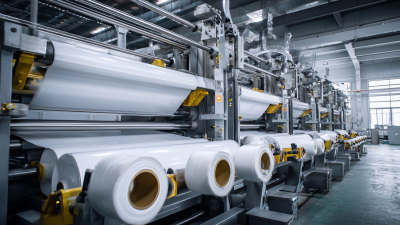
When it comes to the production of plastic products, the choice of machinery can significantly impact efficiency and quality. One of the most crucial pieces of equipment in this realm is the HDPE extrusion line. This specialized machinery is designed to transform high-density polyethylene (HDPE) pellets into a wide range of products, from simple tubes to complex profiles. Understanding the various components and features of an HDPE extrusion line is vital for manufacturers aiming to optimize production processes and meet specific market demands.
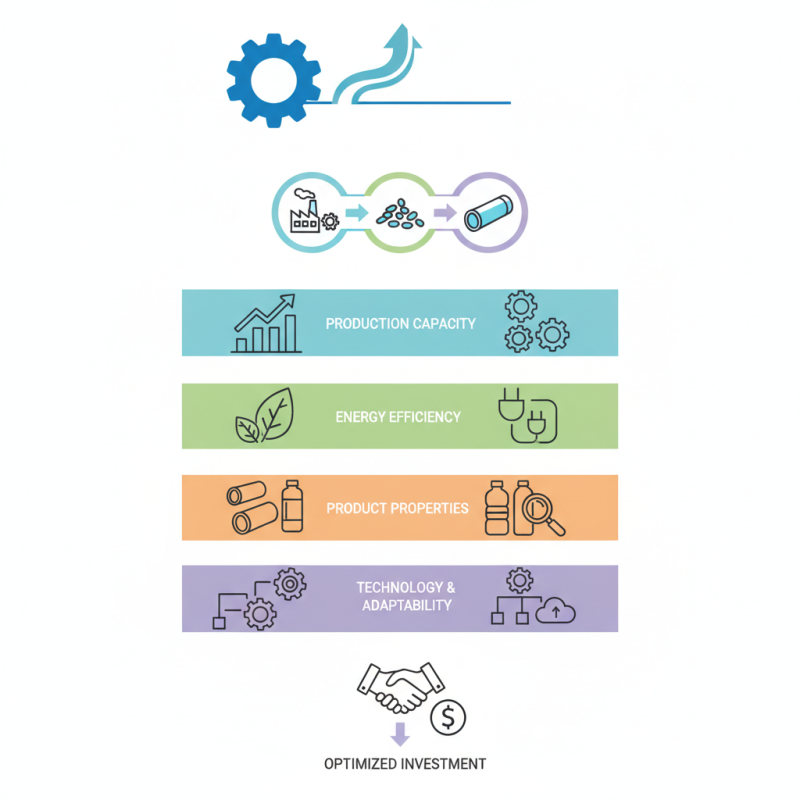
Selecting the best HDPE extrusion line involves careful consideration of several key factors. These include production capacity, energy efficiency, and the specific properties required for the final products. Additionally, evaluating the technological features and the adaptability of the equipment to future needs can help ensure that the investment pays off in the long run. By taking the time to understand these aspects, businesses can make informed decisions that enhance their manufacturing capabilities and improve overall productivity.
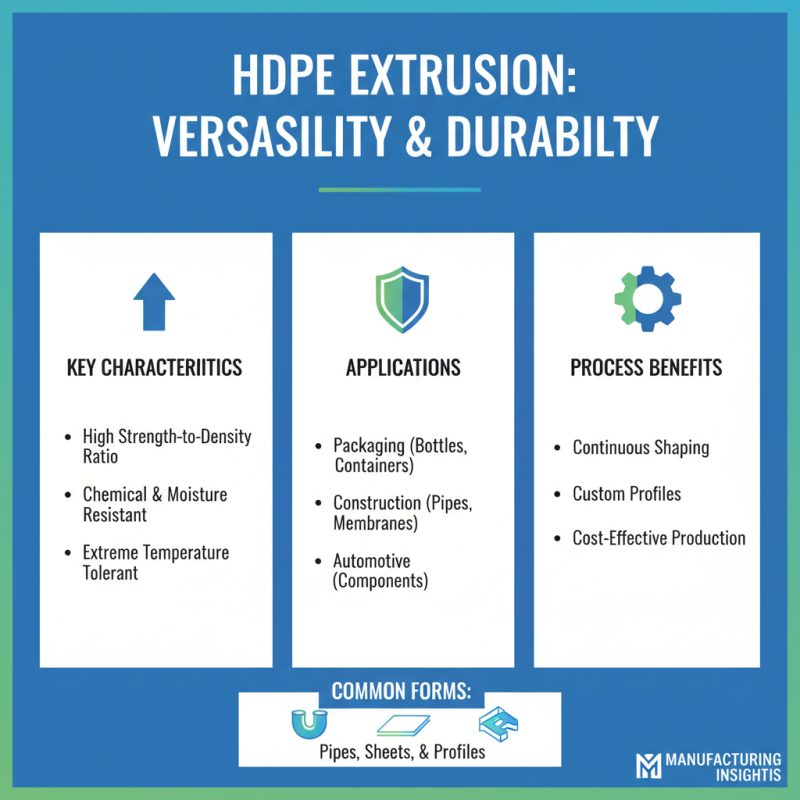
HDPE (High-Density Polyethylene) extrusion is a widely used manufacturing process known for its versatility and durability. One of the key characteristics of HDPE is its high strength-to-density ratio, which makes it an ideal choice for applications requiring robust materials that can withstand harsh environmental conditions. This thermoplastic material is resistant to chemicals, moisture, and extreme temperatures, making it suitable for various sectors including packaging, construction, and automotive industries. The extrusion process itself allows for the continuous shaping of HDPE into various forms, such as pipes, sheets, and profiles, tailored to specific application needs.
The benefits of HDPE extrusion extend beyond its physical properties. The process is typically cost-effective, allowing for high-volume production with minimal waste. Additionally, HDPE is lightweight yet strong, which contributes to lower transportation costs and energy savings during usage. The ability to recycle HDPE also enhances its sustainability profile, making it an attractive option for environmentally conscious manufacturers. As industries continue to emphasize sustainability, understanding the unique characteristics and benefits of HDPE extrusion becomes critical in making informed decisions regarding production line choices and material utilization.

When evaluating production capacity for your HDPE extrusion line, it's critical to match the machine’s output to your specific production needs. Start by assessing your current and projected volume of production. Consider factors such as the complexity of products you intend to create and the required speed of output. A machine that accommodates your desired production volume will ensure efficiency and minimize operational bottlenecks.
Tips: Always factor in potential growth when selecting a machine. Choosing an HDPE extrusion line with scalable capabilities can save you future costs and time associated with upgrading or replacing equipment. Additionally, consider the machine's adaptability for different product designs to enhance versatility in your production line.
Another essential aspect is the balance between speed and quality. While a high-output machine may seem appealing, it must also deliver consistent quality in the extrusion process. Analyze the specifications of each machine, focusing on its ability to maintain product integrity at higher speeds. This can help you avoid costly quality control issues down the line, ensuring that production capacity translates effectively into market-ready products.
When choosing between a single-screw and a twin-screw extruder for HDPE production, it’s essential to understand the distinct advantages each technology offers. Single-screw extruders are typically simpler and more cost-effective, making them an excellent choice for straightforward applications. They provide a consistent flow of material and are easier to maintain. However, their limitations in terms of mixing and material processing can be a concern for more complex products or when a higher level of homogenization is required.
On the other hand, twin-screw extruders excel in versatility and efficiency. They are particularly beneficial for compounding and can handle a wider variety of materials, enabling better mixing and dispersion. This makes them ideal for producing compounds or blends with specific properties. Additionally, twin-screw extruders often operate at lower temperatures, reducing degradation risks for sensitive materials.
Tips for selecting the right extruder include assessing your production volume and desired output quality. Consider your product specifications—if you require advanced processing capabilities like reactive extrusion or high filler incorporation, a twin-screw extruder might be the better option. Furthermore, think about maintenance and operational costs; while twin-screw machines are typically more expensive to purchase and maintain, their efficiency could lead to lower long-term costs in high-throughput scenarios. Always evaluate your specific production needs against the capabilities of each extruder type.
Maintenance and support are critical factors in ensuring the longevity and efficiency of your HDPE extrusion line. Regular maintenance schedules should be established, focusing on key components such as the extruder barrel, screw assembly, and die head. These components often experience wear and tear due to the high temperatures and pressures involved in the extrusion process. By routinely inspecting and replacing worn parts, you can prevent unexpected breakdowns that could lead to costly downtime and decreased productivity.
Additionally, comprehensive support from experienced technical personnel can greatly enhance the operational life of your extrusion line. Investing in training for your operators can equip them with the necessary skills to identify issues before they escalate. Furthermore, having access to expert guidance for troubleshooting and optimization can ensure the extrusion process runs smoothly, maximizing output quality and efficiency. By prioritizing maintenance and support, manufacturers can achieve reliable performance from their HDPE extrusion lines while minimizing the total cost of ownership.
| Dimension | Value |
|---|---|
| Production Capacity (kg/h) | 300 |
| Extruder Diameter (mm) | 75 |
| Max Temperature (°C) | 230 |
| Power Supply (kW) | 40 |
| Cooling Method | Water Cooling |
| Maintenance Frequency (months) | 6 |
| Expected Lifespan (years) | 15 |
| Support Availability | 24/7 |
| Spare Parts Accessibility | High |
| Operator Training Provided | Yes |
When selecting the best HDPE extrusion line for production needs, it is crucial to conduct a thorough cost analysis that balances initial investment with long-term operational efficiency. According to a report by MarketsandMarkets, the global demand for HDPE products is expected to reach approximately 39 million tons by 2025, highlighting the importance of investing in the right machinery to meet growing production requirements. An efficient extrusion line can significantly reduce energy consumption, with studies showing that modern systems can decrease energy costs by up to 30%.
Initial investment in high-quality equipment may seem daunting, but the return on investment (ROI) is often realized through enhanced productivity and reduced operational costs. A well-optimized HDPE extrusion line can improve output rates, with reports indicating increases of up to 40% compared to older systems. Additionally, maintenance costs can be lower for newer models due to advancements in technology that improve reliability and extend the lifespan of the equipment. By factoring in these elements during the decision-making process, manufacturers can ensure that their choice of extrusion line not only meets current production demands but also supports sustainable growth in the future.