Why Choose Pe Extrusion Line for Your Production Needs?
In the ever-evolving manufacturing landscape, the choice of production equipment is crucial. The "Pe Extrusion Line" stands out as a premier option for many businesses. Expert in polymer processing, Dr. Emily Hartman, states, "Investing in a PE extrusion line significantly enhances efficiency and product quality." This highlights the importance of choosing the right machinery.
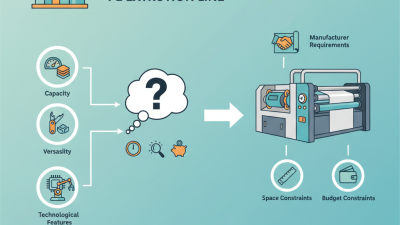
The PE extrusion process is known for its versatility in producing high-quality plastic products. Industries utilize it for items ranging from bottles to complex shapes. Companies that invest in a PE extrusion line often report increased productivity. However, not all extrusion lines are created equal. Selecting the right one requires understanding specific production needs and operational goals.
Many businesses grapple with the decision to upgrade. Some may hesitate, fearing the investment isn’t justified. Yet, the benefits of modern PE extrusion lines are compelling. The shift can lead to better performance and lower long-term costs. In making a choice, it’s vital to consider both immediate needs and future growth. This balanced approach can ultimately drive success in production.
Key Advantages of PE Extrusion Lines for Manufacturing
When it comes to manufacturing, choosing the right equipment is critical. PE extrusion lines offer numerous advantages that cater to various production needs. One key benefit is their versatility. These lines can produce a wide range of products, from pipes to sheets. This adaptability allows manufacturers to meet diverse market demands efficiently.
Cost-effectiveness is another significant advantage. PE extrusion lines often require lower energy consumption compared to other processes. This efficiency translates into reduced operational costs over time. However, initial investments in technology can be considerable. Companies must weigh these factors carefully before proceeding.
Furthermore, the ease of automation in PE extrusion lines is worth noting. Many modern systems allow for seamless integration with existing workflows. Yet, maintenance remains a crucial consideration. Regular upkeep can enhance performance, but it demands time and resources. Striking a balance between uptime and maintenance is essential for optimal productivity.
Understanding the PE Extrusion Process and Its Applications
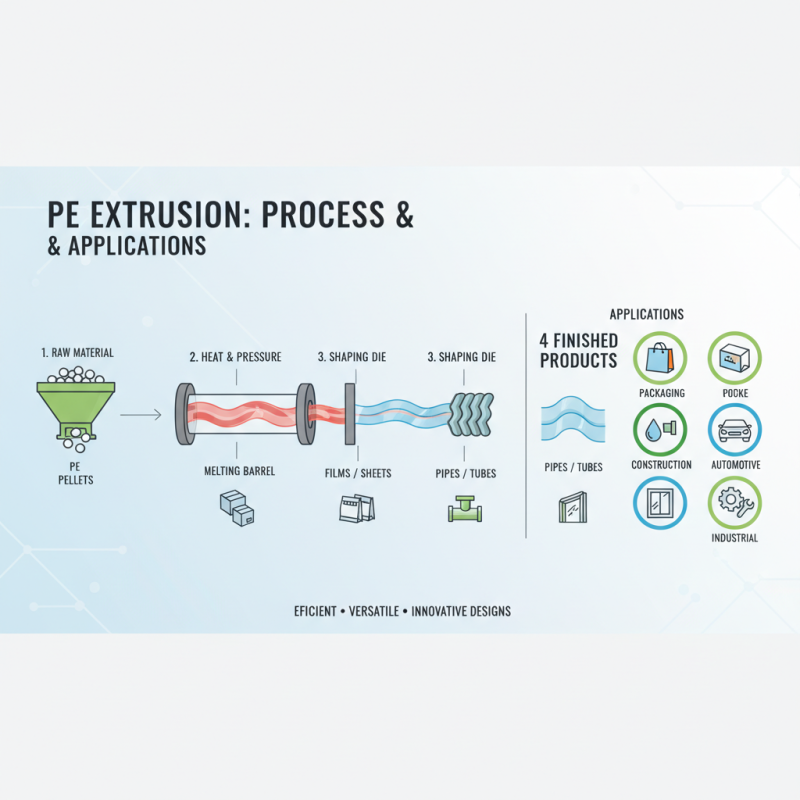
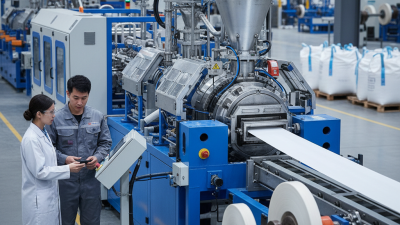
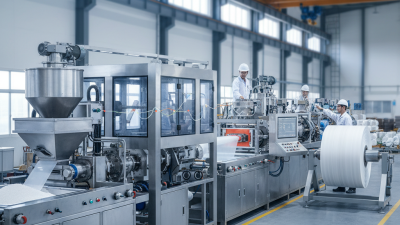
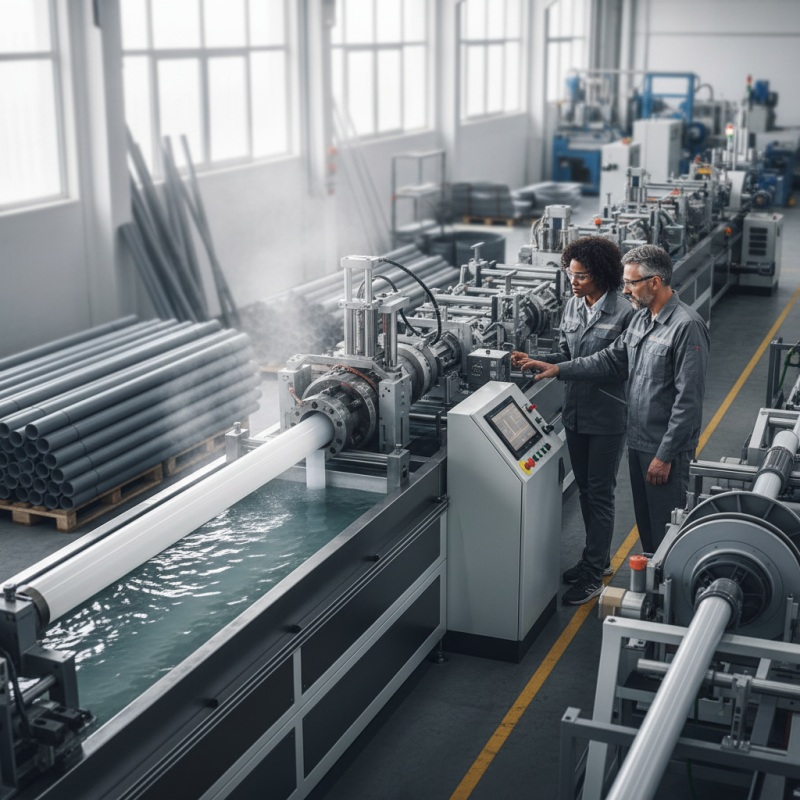
The PE extrusion process is widely recognized in various industries for its efficiency and versatility. This method transforms polyethylene pellets into finished products using heat and pressure. A heated barrel melts the resin, which is then forced through a die to create sheets, films, or pipes. This process is not only rapid but also allows for intricate designs, enhancing product functionality.
Applications of PE extrusion are diverse. From packaging materials to construction components, the versatility of polyethylene is remarkable. In the packaging industry, PE films are essential for food preservation. In construction, durable pipes ensure reliable water supply. The process accommodates various thicknesses and colors, making products tailored to specific needs. However, challenges remain in maintaining consistent quality. Variations in temperature or material can lead to defects, which requires continuous monitoring.
Understanding the nuances of the PE extrusion process is crucial for optimizing production. It involves a balance of technical expertise and practical experience. Regular assessments and adjustments during production can lead to improved efficiency and product quality. Learning from past mistakes can significantly enhance future outputs. The landscape of PE extrusion continuously evolves, prompting businesses to stay informed about advancements and best practices.
Cost-Effectiveness of PE Extrusion in Production
PE extrusion lines are gaining popularity for many production needs. One major advantage is their cost-effectiveness. Manufacturing using PE extrusion can significantly reduce material waste. Compared to other materials, polyethylene is relatively cheap. This lowers overall production costs.
The efficiency of PE extrusion processes plays a crucial role in saving money. These lines can operate at high speeds, increasing output. Faster production means more products can be made within a given timeframe. Additionally, energy consumption is often lower with PE extrusion. This further minimizes operational expenses.
However, it's essential to consider potential downsides. Not all applications may benefit from PE's properties. Manufacturers must evaluate their specific needs carefully. Adjusting parameters can sometimes lead to complications. Striking the right balance between cost and quality is vital. Regular assessments and updates to machinery can enhance product reliability. This ensures that the cost-effectiveness of PE extrusion line is fully realized.
Cost-Effectiveness of PE Extrusion in Production
| Production Method |
Material Cost ($/kg) |
Energy Consumption (kWh/kg) |
Labor Cost ($/kg) |
Overall Production Cost ($/kg) |
| PE Extrusion |
1.20 |
2.5 |
0.50 |
4.20 |
| Injection Molding |
1.50 |
3.0 |
0.75 |
5.25 |
| Blow Molding |
1.30 |
2.8 |
0.65 |
4.75 |
| Thermoforming |
1.40 |
3.5 |
0.60 |
5.50 |
Versatility of PE Extrusion Lines Across Various Industries
PE extrusion lines have gained traction across various industries due to their versatility and efficiency. Reports indicate that the global demand for PE products is projected to grow by 4% annually through 2025. This growth stems from the broad applicability of PE materials ranging from packaging to construction. In the packaging industry, for instance, PE is favored for its durability and cost-effectiveness, which enhances product shelf life.
In the construction sector, PE extrusion lines create essential components such as pipes and fittings. The flexibility of PE facilitates innovative designs, making it a preferred choice. A study showed that PE pipes outperformed traditional materials in longevity and sustainability. As industries prioritize environmentally friendly solutions, PE's recyclability becomes a significant advantage. However, the reliance on fossil fuels for PE production poses challenges, demanding ongoing research for sustainable alternatives.
While PE extrusion lines excel, there remain concerns. For example, production consistency can vary depending on process parameters. Operators must maintain stringent quality controls to minimize defects and inefficiencies. Additionally, as the competition intensifies, manufacturers must stay updated with technological advancements to remain relevant. Understanding these nuances of PE extrusion will help industries better harness its potential.
Future Trends in PE Extrusion Technology and Innovation
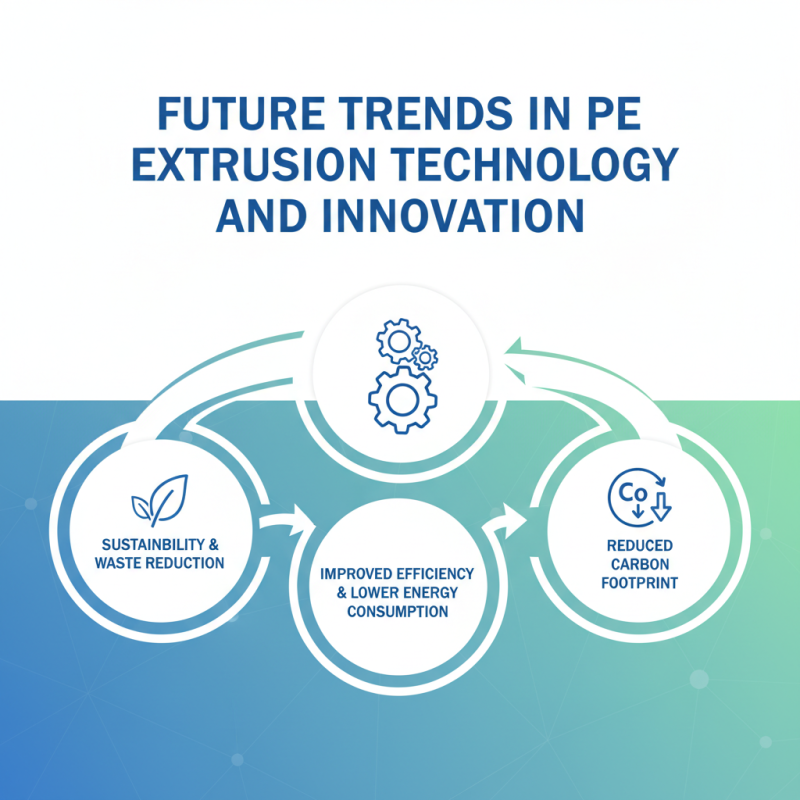
The future of PE extrusion technology lies in innovation and sustainability. Manufacturers are focused on reducing waste and improving efficiency. New methods are emerging that minimize energy consumption during the extrusion process. These advancements lead to lower carbon footprints for companies engaged in production.
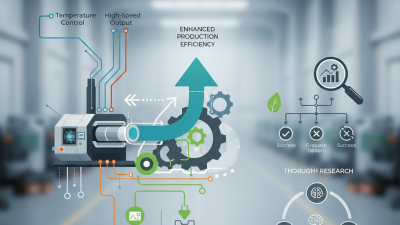
Additionally, smart technologies are taking center stage. Automation and real-time monitoring provide crucial data for optimizing production. This data helps to adjust parameters for better quality control. However, challenges remain. Not all manufacturers are equipped to integrate these technologies seamlessly. There is a learning curve, and not everyone can adapt quickly.
Incorporating sustainable materials is also critical. Biodegradable and recycled inputs are gaining traction. Yet, sourcing these materials can be problematic. The market is not always consistent, causing potential disruptions. Companies must be prepared to navigate these challenges to stay competitive in the evolving landscape of PE extrusion. Exploring these trends is vital for anyone in the production industry.