How to Choose the Best Automated Packaging Machine for Your Business?
In today’s competitive market, choosing the right Automated Packaging Machine is crucial for maximizing efficiency. According to a report from Fortune Business Insights, the global automated packaging market is expected to reach $70 billion by 2028. This highlights the surge in demand for efficient packaging solutions across various industries.
Selecting the best Automated Packaging Machine involves considering multiple factors. These include production speed, flexibility, and machine compatibility with existing systems. Inadequate research often leads to costly mistakes. Over 40% of businesses regret their machinery choices after implementation. This underscores the importance of understanding specific business needs before making a decision.
The right automated solution can enhance productivity and reduce labor costs significantly. However, not all machines are created equal. It’s vital to evaluate technology advancements and reliability. As we delve deeper, reflecting on your unique operational requirements is essential. This approach ensures that your investment contributes effectively to your business objectives.
Understanding Your Business Needs for Automated Packaging
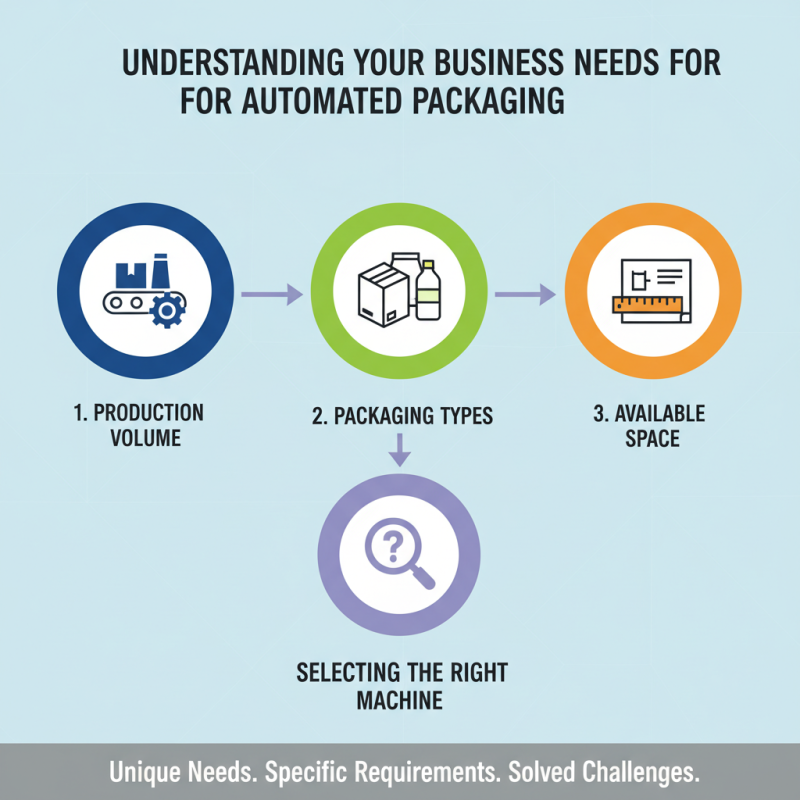
When selecting an automated packaging machine, understanding your business needs is essential. Each business is unique, has specific requirements, and recognizes challenges. Analyzing your production volume, packaging types, and available space will help you narrow down your options.
Consider the types of products you package. Are they fragile? Bulk? Or unevenly shaped? Each packaging type requires a different machine. Focusing on these aspects will provide clarity. Pay attention to your operational workflow. Efficiency can be hindered if the machine doesn't integrate well with existing processes.
**Tips:** Evaluate your budget versus potential ROI. Sometimes, opting for a slightly higher investment now can lead to cost savings in the long run. Analyze how flexible the machine is for future needs. As market demands shift, your packaging requirements may change.
Consult with industry experts. Their experience can guide you in making informed choices. Always request demos or trials when possible. This practical approach can uncover limitations that initial specs may not reveal. Choosing the right machine is a balance of practicality and foresight.
Evaluating Different Types of Automated Packaging Machines
When evaluating different types of automated packaging machines, it's essential to consider your specific business needs. Research from the Association for Packaging and Processing Technologies shows that 72% of manufacturers report increased efficiency after upgrading their packaging systems. Different machines cater to various product types, such as liquids, solids, and fragile items. For instance, vertical form-fill-seal machines are ideal for granulated products, while horizontal flow wrappers excel in preserving freshness for delicate items.
Not every machine suits every business. Some companies might require high-speed solutions, while others need flexibility for varying package sizes. The industry trends indicate that 68% of small businesses prioritize adaptability in their packaging choices. Moreover, maintenance and operational costs can fluctuate significantly. A machine might offer great initial functionality but may require frequent repairs or adjustments over time, leading to unexpected downtime. Thus, as you assess options, reflect on how each machine aligns with your long-term operational goals and budgets. The right match will not only improve output but also enhance overall quality.
How to Choose the Best Automated Packaging Machine for Your Business?
| Machine Type |
Speed (Units/hr) |
Suitable Products |
Cost Range ($) |
Key Features |
| Bagging Machine |
30-120 |
Powders, Granules |
10,000 - 50,000 |
High precision, Easy cleaning |
| Cartoning Machine |
50-150 |
Bottles, Cans |
30,000 - 80,000 |
Versatile, Adjustable |
| Shrink Wrapping Machine |
20-100 |
Bundles, Gift items |
5,000 - 30,000 |
Compact design, High speed |
| Filling Machine |
40-200 |
Liquids, Gels |
15,000 - 70,000 |
Accurate, Easy to operate |
| Labeling Machine |
60-180 |
All types of products |
10,000 - 40,000 |
Durable, User-friendly |
Assessing Cost vs. Efficiency in Packaging Solutions
Choosing the right automated packaging machine requires careful consideration of cost versus efficiency. Research shows that companies can save up to 15% on packaging costs with automation. A thorough analysis of your operational needs is essential. Efficiency often translates to faster production speeds and reduced labor costs, leading to a significant return on investment.
However, balancing cost with efficiency is not always clear-cut. A cheaper machine might lead to higher downtime due to maintenance issues. In fact, studies indicate that 40% of companies report increased operational costs after choosing the lowest-cost option. Consideration of total cost of ownership is critical. This includes not only purchase price but also maintenance, labor, and material costs over time.
Investing in the right technology can improve overall efficiency. Automated machines typically utilize advanced sensors and controls that optimize performance. This can lead to less waste and better quality control. Industry insights suggest that businesses adopting automation throughout their operations see productivity increase by as much as 30%. Yet, it’s crucial to reflect on whether the investment aligns with long-term business goals and market demands.
Identifying Key Features to Look for in Packaging Equipment
When selecting an automated packaging machine, key features can significantly impact your operations. Efficiency is paramount. Aim for machines with high-speed capabilities and minimal downtime. These factors can lead to increased productivity. Consider the types of products you pack. A versatile machine can adapt to various package sizes and shapes, offering long-term benefits.
Tips: Always assess the ease of use. A complicated interface can slow down your process. Look for machines with user-friendly controls. Maintenance is another crucial aspect. A less reliable machine can lead to costly repairs and production halts. Evaluate the availability of replacement parts before making a decision.
Energy consumption is often overlooked yet vital. Machines that consume less power not only reduce costs but also align with sustainability goals. Check if the machine offers energy-saving modes. Ensure the machine meets industry standards. This guarantees both safety and compliance. Making informed choices requires research and reflection on your specific needs. Take the time to compare options thoroughly.
Key Features to Consider When Choosing an Automated Packaging Machine
Researching Manufacturers and Supplier Reliability
When choosing an automated packaging machine, reliability of manufacturers and suppliers is crucial. A study by PMMI reveals that 55% of companies prioritize supplier reliability over cost. Trust in your supplier supports operational efficiency and reduces downtime. Researching potential manufacturers will help in understanding their track record. Look for companies with a history of serving your industry.
Evaluate customer reviews and seek recommendations from industry peers. Attend trade shows to gather firsthand information. Surveys indicate that 70% of businesses that attended trade shows found reliable suppliers this way. Supplier certifications are also essential. ISO certification shows adherence to international quality standards. This adds another layer of security when selecting your equipment partner.
Cost is important, but it should not overshadow reliability. Sometimes, cheaper machinery may lead to higher costs in maintenance and repairs. Weak suppliers can result in delays and loss of productivity. It's beneficial to assess the total cost of ownership over time. Prioritize suppliers who offer comprehensive support services. Your packaging choice influences not just the product but your company’s image and effectiveness.