How to Choose the Best Automated Shrink Wrap Machines?
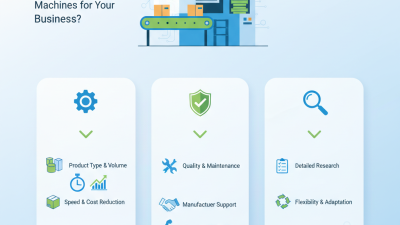
When selecting the best Automated Shrink Wrap Machines, it’s essential to consider several key factors. These machines streamline packaging processes, offering efficiency and consistency. However, not all machines are created equal. Understanding your specific needs, product types, and production volume will greatly influence your choice.
Automated Shrink Wrap Machines vary in design and functionality. Some models are equipped with advanced features, while others may be more basic. Consideration of your workspace is crucial. Machines that occupy excessive space might complicate workflow. Pay attention to the user interface as well; intuitive controls can dramatically reduce training time.
Additionally, reflect on the machine's maintenance requirements. A high-maintenance machine can become a burden. Researching different brands can provide insights into reliability and support. Read user reviews and seek expert opinions. This process aids in identifying the best fit for your operations, ensuring that your investment leads to enhanced productivity and profitability.
Understanding the Different Types of Automated Shrink Wrap Machines
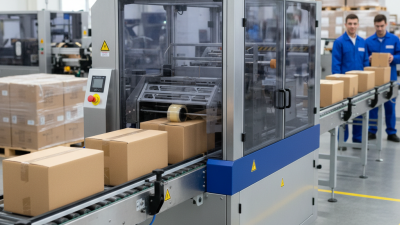
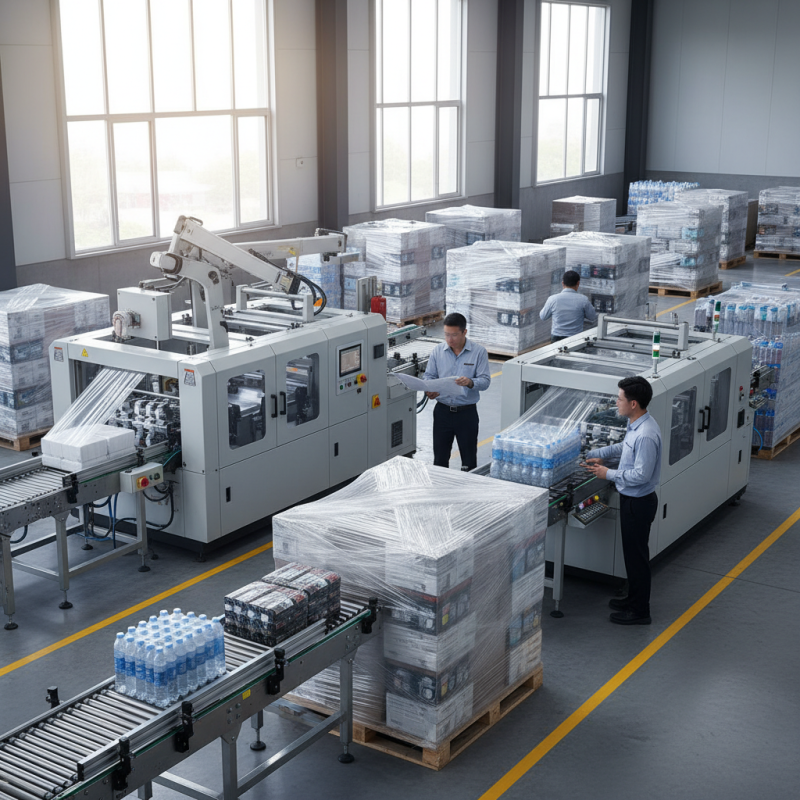
When selecting the right automated shrink wrap machines, understanding the various types is crucial. There are several machines available, each designed for different tasks. For instance, semi-automatic machines often require manual input for packaging. This can slow down production but provides flexibility for small batches. In contrast, fully automatic machines offer speed and efficiency, handling high-volume packaging with ease.
Another category includes L-sealers and sleeve wrappers. L-sealers seal products in a tight-fitting film, ideal for irregular shapes. Sleeve wrappers, on the other hand, use a continuous sheet of film to wrap items. This method is efficient and reduces film waste, which can lead to cost savings. Considering the nature of the products being packaged is essential.
Reflecting on your production needs will improve outcomes. Factors such as machine size, speed, and future scalability need consideration. Automated machines can require a significant upfront investment. Your choice should reflect long-term goals and adapt to changes in production demands. Balancing cost, efficiency, and product protection is key to making the right decision.
Key Features to Consider When Choosing Shrink Wrap Machines
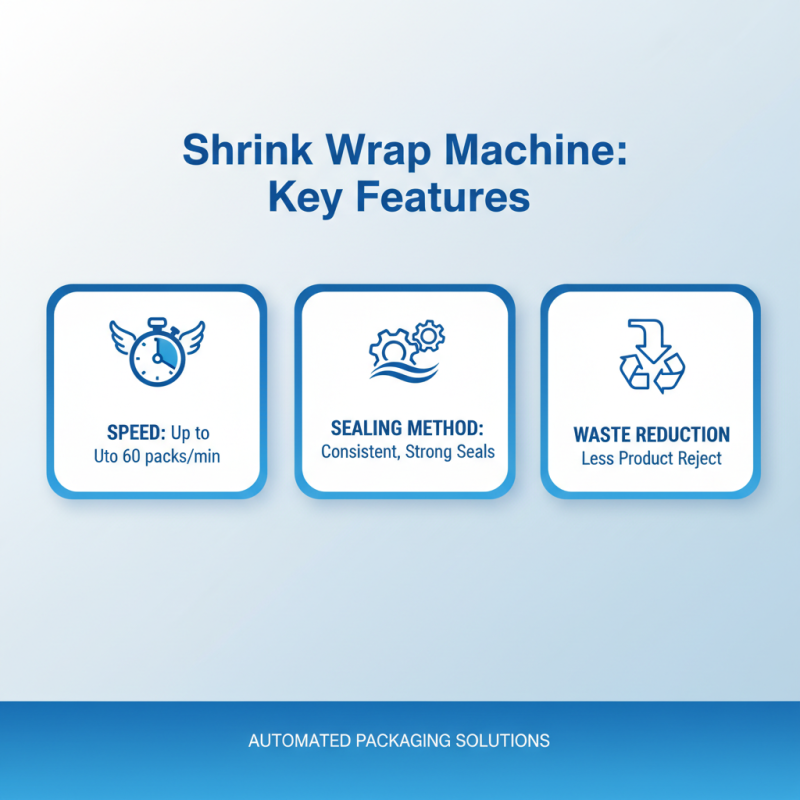
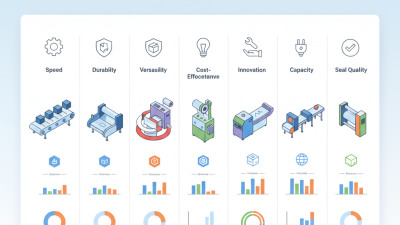
When selecting an automated shrink wrap machine, key features are essential for optimal performance. One crucial aspect is the machine’s speed. High-speed models can package up to 60 products per minute, increasing efficiency. Additionally, consider the type of sealing method. A reliable system ensures consistent sealing quality, which reduces product waste.
Another vital feature is the size capabilities. Your machine should accommodate various product dimensions. Flexibility allows for future growth and product diversity. A study by the Packaging Machinery Manufacturers Institute indicates that over 45% of companies value operational adaptability in their shrink wrap machines.
Tips: Always test the machine with your actual products before purchasing. Pay attention to the temperature settings, as they can affect shrinkage quality. You might find that not all products heat uniformly, causing potential issues. Also, check the durability and maintenance requirements. Machines with harder-to-replace parts can become costly. Ultimately, investing in a versatile and reliable shrink wrap machine is key to enhancing your packaging processes.
Evaluating the Size and Capacity Requirements for Your Business
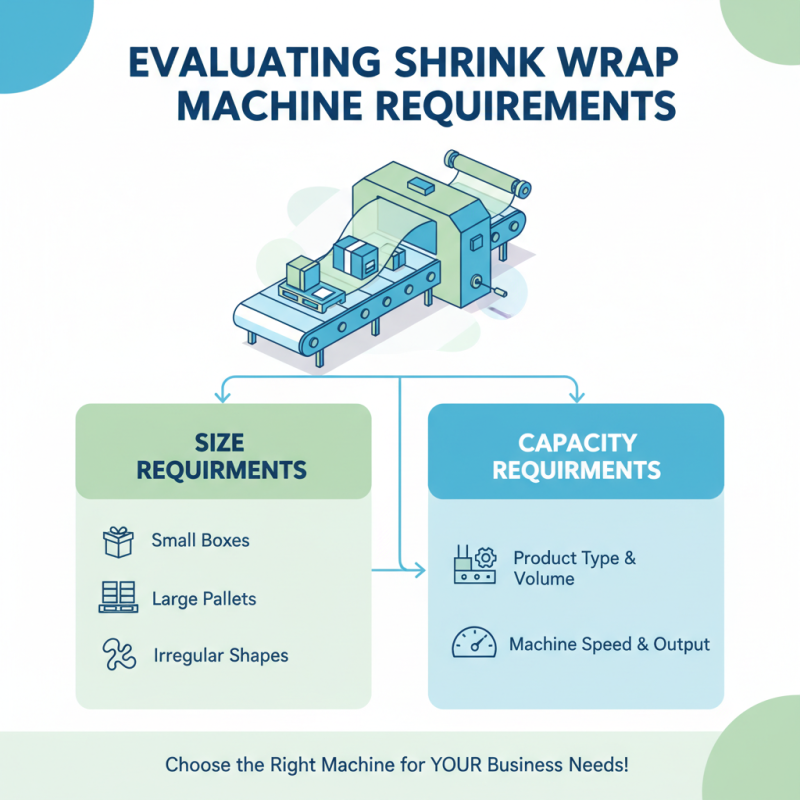
When selecting an automated shrink wrap machine, understanding your size and capacity requirements is crucial. Evaluate the types of products you will wrap. Are they small boxes, large pallets, or irregular shapes? Each product will require a different machine specification.
Consider the size of your workspace. A compact machine may fit into smaller areas, but may not handle larger volumes effectively. Conversely, a large machine can accommodate bigger items but may dominate your production floor. Think about the flow of your operations too. Will the machine disrupt existing workflows?
Capacity is another vital aspect. Estimate the number of products you will process daily. A small operation may need a machine that wraps 300 items per hour. Larger businesses might require machines that handle 1,000 or more. Remember, exceeding a machine’s capacity can lead to breakdowns and delays. A clear understanding of these aspects aids in making the right choice.
Assessing Material Compatibility for Optimal Shrink Wrapping
When selecting an automated shrink wrap machine, material compatibility plays a critical role. Different materials react differently to heat and shrinkage. For instance, polyethylene (PE) is highly versatile and used in many applications. Data from the Flexible Packaging Association shows that 45% of packaging is made of PE. Its resistance to moisture makes it ideal for food products. Understanding how materials behave under heat ensures the integrity of the wrapped product.
Polyolefin films are another option. They offer clarity and strength, valuable features for retail packaging. According to Smithers Pira, the demand for polyolefin films is expected to grow by 5% every year. However, not all machines can handle these materials effectively. Choosing a machine that suits the specific material can eliminate delays and defects. Using inappropriate materials can lead to product spoilage or damage during transportation.
It's important to examine the shrink temperature and tunnel settings as well. Many operators underestimate the significance of proper tuning. Machines that are improperly calibrated can result in inconsistencies in film shrinkage. This might lead to loose wraps or excessive stress on the products. Test runs can help determine optimal settings before full-scale production. Making adjustments based on live results can save time and costs in the long run, highlighting the need for careful evaluation.
Cost Analysis and Budgeting for Automated Shrink Wrap Solutions
When budgeting for automated shrink wrap machines, assessing costs accurately is essential. These machines can vary greatly in price, depending on their features and capabilities. Start by defining your production needs. Consider the volume of products you package daily and the speed required for efficiency. A high-capacity machine might be necessary for larger operations, but smaller businesses can opt for more affordable options.
It's also crucial to factor in additional expenses. Maintenance costs can add up over time. Energy consumption should not be overlooked either. A more efficient model may have a higher initial cost but can save money in the long run. Always account for potential downtime. Even the best machines require repairs, which can disrupt production schedules. Researching average repair costs can help prepare your budget better.
Investing in training for your staff should be part of your financial planning. Proper training minimizes errors and enhances efficiency. However, this cost can be underestimated by many. Explore all the financial implications before making a purchase. Balanced budgeting can lead to better decisions. Always be ready to adapt as your needs change over time.
Cost Analysis of Automated Shrink Wrap Machines