How to Choose the Best Double Twist Bunching Machine?
Selecting the right Double Twist Bunching Machine is crucial for efficiency and output quality. This equipment plays a significant role in various industries, especially in cable manufacturing. According to a recent report by the International Wire & Cable Symposium, the demand for advanced bunching machines has increased by 25% over the past three years, reflecting a growing need for production efficiency.
Industry expert Dr. Michael Turner states, “Investing in a high-quality Double Twist Bunching Machine can drastically improve production speed and reduce waste.” His insights highlight the importance of selection in achieving operational excellence. Factors such as machine speed, twist count consistency, and ease of maintenance should be evaluated carefully.
Many businesses tend to overlook the long-term benefits of investing in the right equipment. Often, they prioritize initial costs rather than overall ROI. It’s essential to consider both immediate needs and future scalability. Detailed research and evaluation can lead to wiser investments in the Double Twist Bunching Machine category, ultimately enhancing productivity and profitability.
Factors to Consider When Selecting a Double Twist Bunching Machine
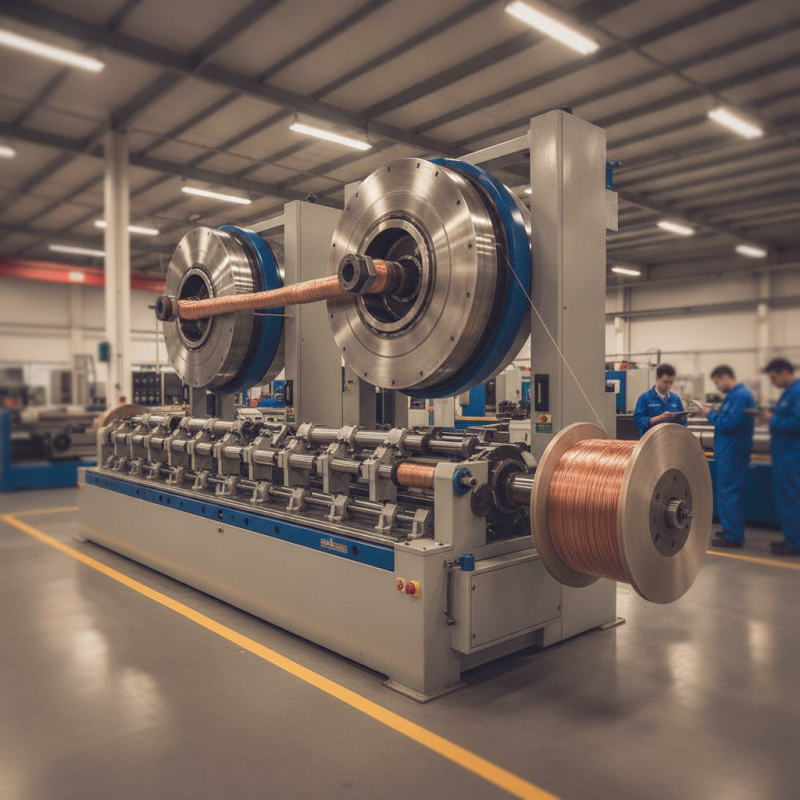
When selecting a double twist bunching machine, it’s vital to consider multiple factors. First, assess your production capacity. A machine that meets your output needs will enhance efficiency. Consider the material type as well. Different machines perform best with specific materials.
Understanding machine specifications is crucial. Look into aspects like speed and twist capabilities. You need to determine how many twists per bunch the machine can achieve. This feature directly impacts the final product’s quality.
**Tips**: Always ask for demos before purchasing. It’s a great chance to see if it meets your expectations. Check customer reviews for insights. Engage with other professionals. Their experiences can provide valuable perspectives. It’s okay to seek assistance or advice when needed.
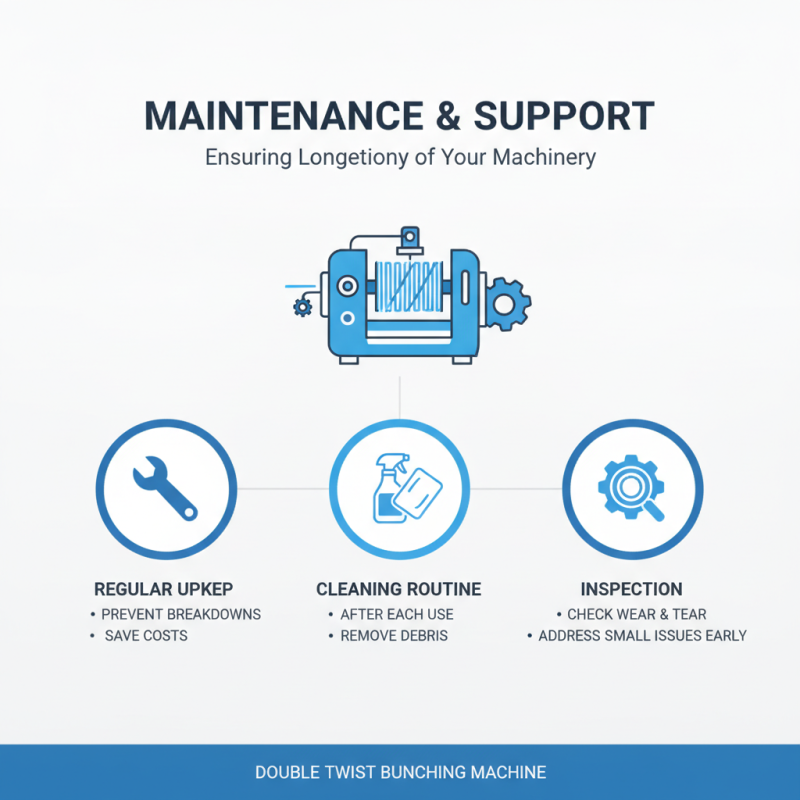
Lastly, think about maintenance and support. A reliable machine needs regular upkeep, so consider the available service options. If the vendor lacks good support, you might face issues later. Balancing these factors will lead you to a more informed decision.
Key Specifications: Capacity, Speed, and Power Requirements
When selecting a double twist bunching machine, key specifications like capacity, speed, and power requirements are critical. The capacity of these machines often ranges from 100 to 500 kg per hour. For businesses focused on efficiency, a higher capacity is essential. However, it’s important to assess the actual workload to avoid overestimating needs. Choosing a machine with excessive capacity may lead to unnecessary energy consumption.
Speed is equally important. Machines with adjustable speeds ranging from 40 to 100 meters per minute can enhance productivity. A faster machine can complete more bunching cycles in less time. However, higher speeds may compromise the quality of the final product. Finding the right balance between speed and quality often requires trial and error.
Power requirements typically range from 2 to 5 HP, depending on the machine size and complexity. Ensuring your facility has adequate electrical infrastructure is vital. Insufficient power can lead to operational failures. Always consult with a technician to assess the energy supply before installation. This technical oversight is often overlooked, yet it is essential for seamless operations.
Comparison of Key Specifications for Double Twist Bunching Machines
Understanding Different Types of Double Twist Bunching Machines
When choosing a double twist bunching machine, understanding the different types available is crucial. These machines are essential in various industries, particularly in textiles. Each type has its unique features and operational efficiencies catered to specific needs.
There are several types of double twist bunching machines to consider. Some focus on high-speed operations, while others emphasize energy efficiency. Machines with programmable controls offer versatility, allowing adjustments for different production runs.
However, not every machine is a perfect fit for every workshop. Assessing the average output required is vital.
In addition, maintenance plays a key role in long-term efficiency. Some machines require frequent upkeep while others need minimal attention. Researching user reviews can provide insight into reliability and any common problems faced. Finally, testing a machine, if possible, can highlight unexpected challenges not evident in specifications. Observing the operation firsthand can guide better decision-making.
Analyzing Cost vs. Performance for Optimal Investment
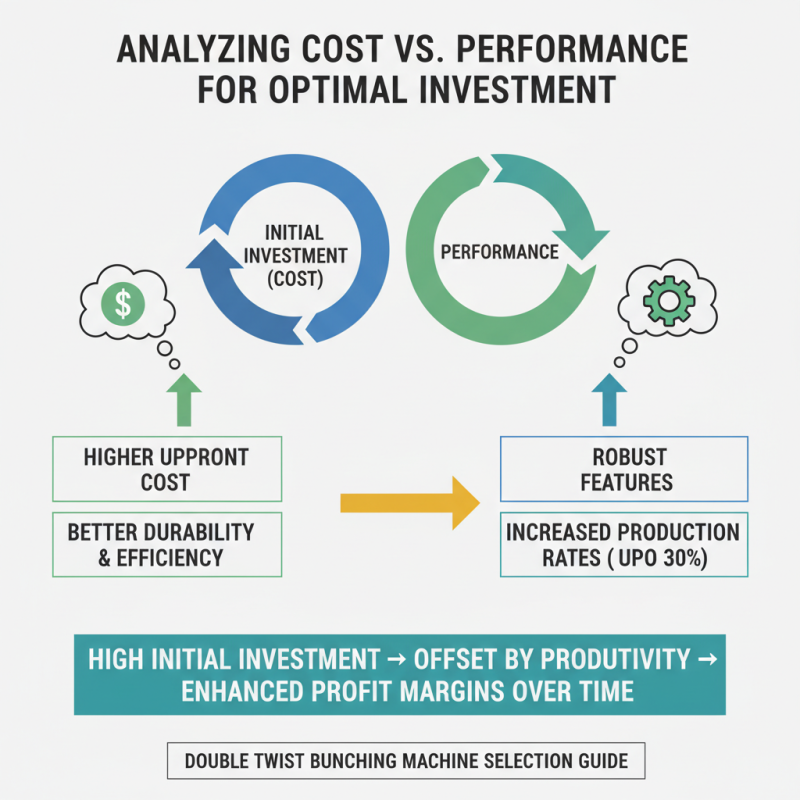
When choosing a double twist bunching machine, balancing cost and performance is crucial. Industry reports suggest that machinery making a higher initial investment often yields better durability and efficiency. For instance, machines with robust features can increase production rates up to 30%. This can offset higher costs over time, as productivity improvements enhance profit margins.
However, it's vital to evaluate the long-term benefits. A cheaper machine might lead to frequent breakdowns and increased maintenance costs. Research indicates that maintenance can consume up to 15% of a machine’s total cost over its lifecycle. Thus, it’s wise to weigh upfront costs against potential operational savings.
Not every expensive machine guarantees performance. Some may lack user-friendly interfaces or proper after-sales support. This can hinder optimal use and lead to operational inefficiencies. Investing time in market research is essential. Gathering insights from industry professionals and analyzing peer reviews can provide a clearer picture of product reliability and overall satisfaction. Adjusting expectations regarding upfront cost versus long-term gains will lead to a more informed purchase decision.