How to Choose the Best Robotic Palletisers in 2026?
In the rapidly evolving landscape of automation, the significance of Robotic Palletisers cannot be overstated. As businesses strive for efficiency, choosing the right robotic system is crucial. Industry expert Dr. Emily Carter, a leading authority in automation technology, emphasizes this need: "Selecting the right Robotic Palletiser can dramatically influence operational success."
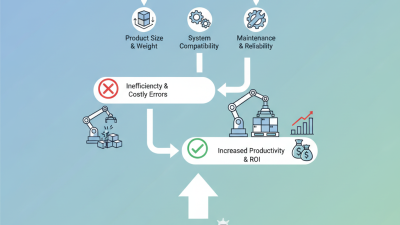
The year 2026 poses unique challenges and opportunities. Companies must adapt to advanced technologies and shifting market demands. Robotic Palletisers are not just machines; they are integral components of supply chain optimization. Factors such as payload capacity, speed, and compatibility with existing systems deserve careful consideration.
Moreover, the decision-making process can feel overwhelming. Many organizations struggle to balance cost with functionality. This leads to hasty decisions that might not serve long-term needs. Ultimately, investing time in understanding Robotic Palletisers' features can yield remarkable benefits. Reflecting on these inquiries will shape a more strategic approach in selecting the best systems for evolving business needs.

Understanding Robotic Palletisers and Their Role in Automation
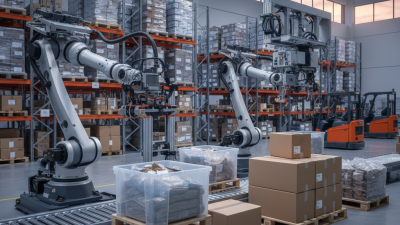
Robotic palletisers play a significant role in modern automation. They streamline the packing process, reducing human labor. This leads to improved efficiency and accuracy in operations. In today’s fast-paced environment, companies seek reliable solutions for handling products. The shift towards automation is evident across various industries.
Understanding the capabilities of robotic palletisers is crucial. These machines can handle diverse products, from boxes to bags. They can adapt to different sizes and weights, meeting specific production needs. This flexibility makes them an asset in manufacturing facilities. However, selecting the right system can be challenging. Operators may find some machines oversimplified, missing necessary features. Inadequate training can lead to operational flaws.
Effective integration of robotic palletisers requires proper planning and assessment. It's vital to consider factors such as layout and workflow. Companies often overlook the importance of software compatibility. Without the right tools, the system may not perform optimally. Regular maintenance is essential for sustaining efficiency. Neglecting this aspect can result in increased downtime and operational costs. Evaluating these elements can lead to smarter automation choices.
How to Choose the Best Robotic Palletisers in 2026?
| Feature |
Importance |
Considerations |
| Payload Capacity |
High |
Choose based on the heaviest load in your operations. |
| Speed |
Medium |
Assess throughput requirements to avoid bottlenecks. |
| Flexibility |
High |
Determine the variety of product handling needed. |
| Ease of Integration |
High |
Ensure compatibility with existing systems and machinery. |
| Control System |
High |
Opt for user-friendly interfaces and robust software support. |
| Maintenance and Support |
Medium |
Evaluate warranty, parts availability, and service options. |
Factors Influencing the Selection of Robotic Palletisers
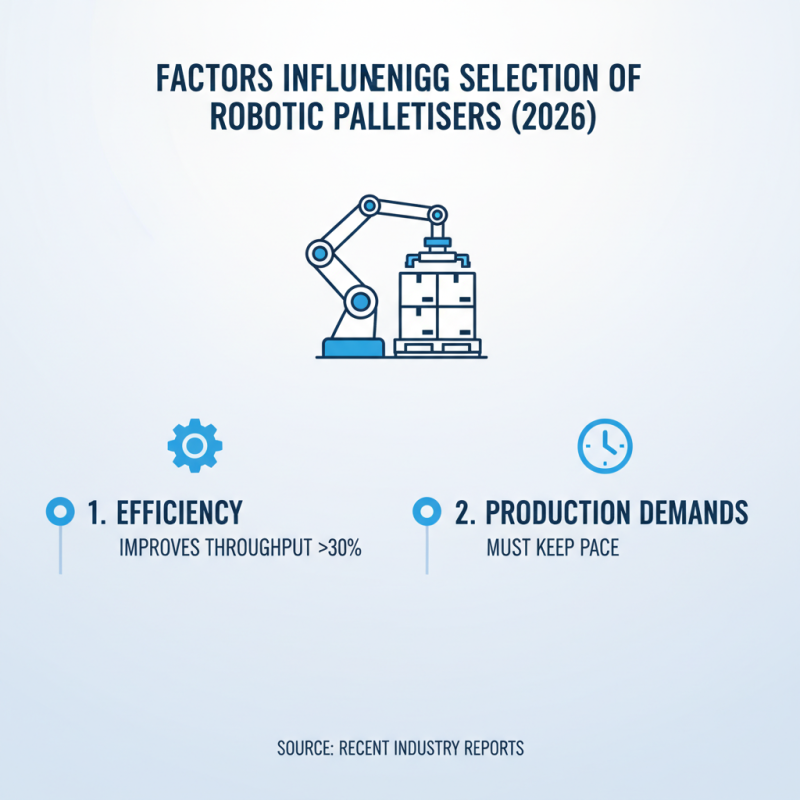
When selecting robotic palletisers in 2026, several key factors come into play. The efficiency of these machines significantly affects production lines. According to recent industry reports, robotic palletisers can improve throughput by over 30%. This figure emphasizes the importance of machinery that keeps pace with production demands.
Additionally, the flexibility of a robotic palletiser is crucial. Facilities often change product lines, requiring robots to adapt quickly. Research shows that systems with modular designs can reduce downtime during changes. Companies that invest in adaptable technology often see better return on investment.
Another important consideration is the integration of artificial intelligence. AI capabilities enable palletisers to analyze data and optimize operations autonomously. Recent studies indicate that incorporating AI can lead to a 25% reduction in operational costs over five years. However, reliance on technology can also raise questions. If systems fail, what is the backup plan? This highlights the need for a balance between advanced technology and traditional backup methods.
Key Features to Look for in 2026 Robotic Palletisers
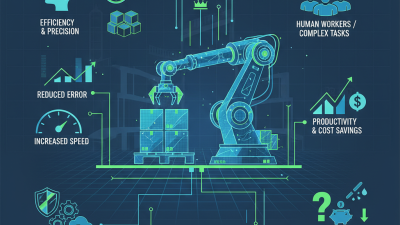
Choosing the best robotic palletisers in 2026 requires careful consideration of several key features. One critical aspect is adaptability. Modern palletisers should easily handle different product shapes and sizes. Speed is also essential. Look for machines that can operate quickly without compromising accuracy. A high-speed solution can significantly boost productivity.
Another important feature is user-friendliness. Intuitive interfaces can reduce training time and costs. Operators should feel comfortable navigating the system. Furthermore, integration with existing warehouse management systems is vital. Seamless communication between machines enhances efficiency. Consideration of safety features is non-negotiable. Advanced sensors and emergency stops can prevent workplace accidents.
Keep in mind the importance of maintenance. Predictive analytics can help monitor performance and alert for servicing needs. Trustworthy brands provide support and maintenance solutions too. Regular upkeep is essential for optimal operation. Reflection on these factors can lead to better long-term investments. Choosing the right robotic palletiser involves examining these details critically.
Key Features of Robotic Palletisers in 2026
Evaluating Cost-Effectiveness and ROI of Robotic Palletisers
When considering robotic palletisers in 2026, evaluating cost-effectiveness and ROI is crucial. According to recent industry reports, automation can reduce labor costs by up to 30%. This reduction significantly impacts overall operational expenses. Businesses should also analyze maintenance costs, which typically account for 2-5% of the initial investment annually.
Efficiency is another vital factor. Modern robotic palletisers can operate at speeds exceeding 1,200 cycles per hour. This capability results in higher throughput and reduced bottlenecks in production lines. However, companies need to assess whether the increased capacity aligns with their demand cycles. A mismatch may lead to underutilization and wasted resources.
Additionally, it's essential to consider the initial investment. Reports indicate average upfront costs for robotic systems range from $100,000 to $300,000. This figure varies based on complexity and customization. Companies must project their expected ROI to verify that automation justifies the expense. An ideal analysis should include labor savings, increased throughput, and potential declines in errors. However, even the most advanced systems still require human oversight and regular updates. This necessity calls for a balanced approach to robotic integration and workforce planning.
Future Trends in Robotic Palletising Technologies for 2026
The landscape of robotic palletising is evolving rapidly. According to a recent industry report, the global robotic palletiser market is projected to grow by 16% annually through 2026. This growth is driven by advancements in automation and artificial intelligence. Companies are increasingly seeking high-speed, flexible solutions to enhance efficiency.
In 2026, expect to see trends like collaborative robots (cobots) leading the way. These machines can work alongside human operators, increasing productivity while ensuring safety. The adoption of AI will also improve decision-making processes in palletising. A recent study suggests that robots equipped with AI can reduce error rates by up to 30%. This level of precision is crucial for industries ranging from food and beverage to pharmaceuticals.
When choosing a robotic palletiser, consider flexibility and scalability. Look for systems that can adapt to varying product sizes or weights. Insights show that 75% of companies will prioritize these features in their purchasing decisions. Evaluate your production needs and be mindful of the potential need for upgrades as your operations expand. The right choice now may save costs in the future.