How to Choose the Right Automatic Box Sealing Machine for Your Business?
Selecting the right Automatic Box Sealing Machine is crucial for operational efficiency. In recent years, the packaging machinery market has experienced substantial growth. According to a report by Research and Markets, the global packaging machinery industry is projected to reach $60 billion by 2025. This growth is driven by the increasing demand for automated processes.
Businesses often overlook the significance of evaluating specific needs before purchasing such machines. Factors like production speed, product type, and packaging material are essential. A poorly chosen Automatic Box Sealing Machine can lead to bottlenecks in production. Furthermore, underestimating the machine’s capabilities may cause future operational hurdles.
Additionally, the landscape of automated packaging is continuously evolving. New technology enhances the functionality of these machines. However, not every upgrade is necessary for all businesses. Making informed decisions relies on understanding both current needs and future plans. Ultimately, the right choice can contribute significantly to efficiency and cost-effectiveness.
Understanding the Different Types of Automatic Box Sealing Machines
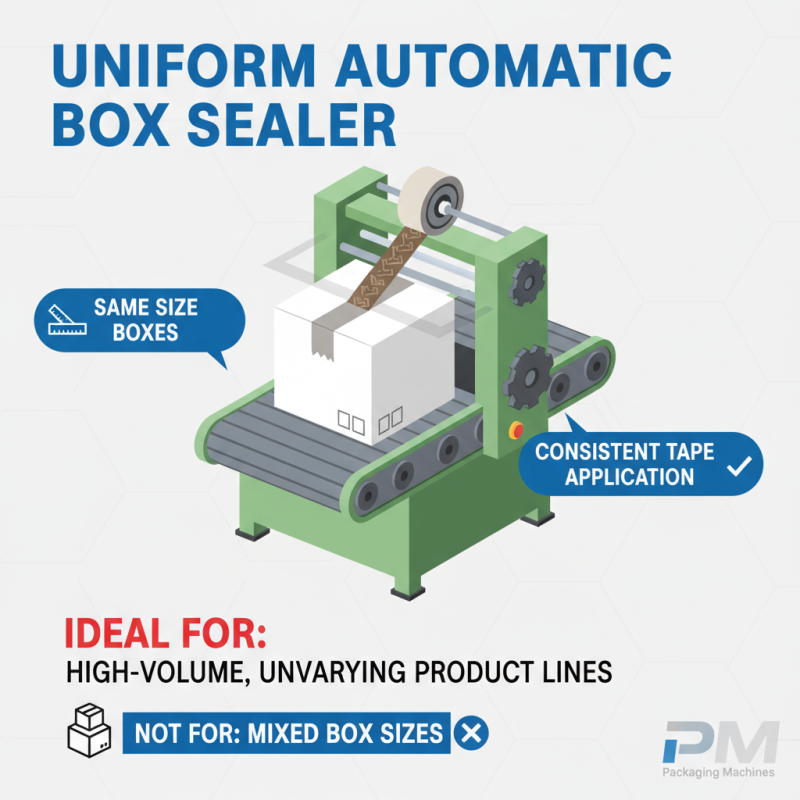
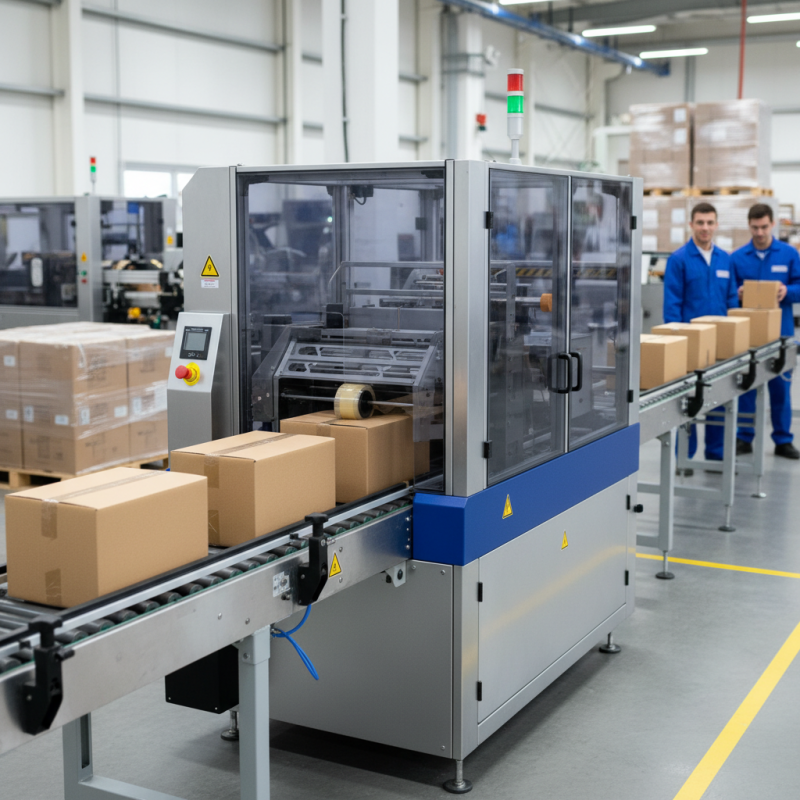
When selecting the right automatic box sealing machine, it’s essential to understand the various types available. One common type is the uniform box sealer. This machine works best with boxes of the same size. It applies tape uniformly, ensuring secure sealing. However, it may not be ideal for businesses with varying box dimensions. It's critical to analyze your packaging needs first.
Another option is the adjustable box sealer. This machine accommodates different sizes. It can seal various box types, making it versatile. But, its complexity might require more training for staff. Users often need to spend time adjusting settings before operation, which could lead to mistakes. Regular checks are necessary to ensure proper sealing.
A top-and-bottom sealer is also popular. It seals both sides of the box simultaneously. Efficiency increases, making it a favorite in high-volume environments. Yet, it can be more expensive and requires more floor space. The investment must be justified by your production requirements. Ultimately, assessing your specific needs will guide you toward the right choice.
Key Features to Consider When Selecting a Box Sealing Machine
When selecting an automatic box sealing machine, several key features should guide your decision. Start by evaluating the sealing method. Taping, gluing, and strapping are common options. Each method has distinct benefits. A taping machine is quick and efficient for most packaging. However, glue can offer a more robust seal for heavier boxes.
Another important feature is the machine’s size and speed. Consider your production line’s workflow. Some machines can handle large volumes while maintaining speed. Others are compact but may slow down production. It's vital to find a balance that suits your operations.
Durability and ease of maintenance are also crucial. Machines that require frequent repairs can hinder productivity. Look for reliable materials and user-friendly designs. Operators should easily perform routine checks. Feedback from existing users highlights that reliability can greatly impact overall satisfaction. Reflecting on these elements helps ensure you select a machine that meets your business needs without unnecessary complications.
How to Choose the Right Automatic Box Sealing Machine for Your Business?
| Feature |
Description |
Importance Level |
Example Value |
| Sealing Speed |
The number of boxes sealed per minute. |
High |
15-30 boxes/minute |
| Tape Type Compatibility |
Types of tape the machine can use (e.g., acrylic, hot melt). |
Medium |
Acrylic, Hot Melt |
| Box Size Range |
The range of box sizes the machine can handle. |
High |
10 x 10 x 10 to 24 x 24 x 24 inches |
| Ease of Operation |
How user-friendly the machine is. |
High |
Easy to set up and operate |
| Maintenance Requirements |
Frequency and complexity of maintenance needed. |
Medium |
Monthly lubrication and part checks |
| Safety Features |
Built-in safety mechanisms to prevent accidents. |
High |
Emergency stop button, safety covers |
Assessing Your Business's Sealing Volume and Speed Requirements
When selecting an automatic box sealing machine, understanding your business's sealing volume and speed requirements is crucial. Research indicates that businesses operating in packaging can experience a productivity increase of up to 30% with the right equipment. Assessing daily output helps you determine which machine suits your needs. For instance, if your operation requires more than 1,200 boxes sealed per hour, a higher-speed model will be necessary.
Moreover, speed shouldn't come at the expense of reliability. Some machines, while fast, may struggle with various box sizes or types. This inconsistency can lead to product damage or delays, ultimately costing your business. Studies show that nearly 40% of packaging failures are linked to inadequate sealing processes. Therefore, it’s essential to ensure that the chosen machine can handle the demands of your specific product and packaging style.
Consider also the fluctuating demands of your market. If your sealing volume varies seasonally, look for machines with adaptable features. Flexibility in speed adjustments and different sealing methods can provide much-needed versatility. Machines that can operate efficiently under different conditions are invaluable. They can future-proof your investment against potential changes in production volume.
Evaluating the Cost vs. Benefit of Investing in Automation
Investing in an automatic box sealing machine can significantly impact your business operations. Evaluating the cost versus benefit is crucial. According to a report by Smithers Pira, automation can reduce packaging labor costs by up to 25%. This reduction allows businesses to reallocate resources to other strategic areas. However, the initial investment can be daunting for many small companies.
Beyond the direct cost savings, automation improves efficiency. Industry data from the Packaging Machinery Manufacturers Institute (PMMI) suggests that automated packaging systems can increase throughput by 30% or more. Yet, the transition is not always smooth. Companies often face challenges during implementation, which can affect short-term productivity. A well-planned integration strategy is necessary to minimize disruptions.
Furthermore, not every business will see the same return on investment. Factors like product type and order volume play a significant role. Some businesses may find that the costs of maintenance and training on new equipment outweigh the benefits. Conducting a thorough cost-benefit analysis tailored to your unique situation is essential for making an informed decision.
Maintenance and Support Considerations for Your Sealing Equipment
Choosing the right automatic box sealing machine involves thorough consideration of maintenance and support. The longevity of your equipment largely depends on regular upkeep. An effective maintenance routine can prevent costly breakdowns and enhance performance.
To keep your sealing machine in optimal condition, establish a routine check for wear and tear. Pay attention to components like belts and seals, which may require replacement over time. Ensure lubrication is applied to moving parts monthly, as this can decrease friction and extend service life.
Look for suppliers that offer robust technical support. Having access to expert advice can resolve issues quickly. Consider a service contract; this often includes regular inspections. Contracts may prevent unexpected costs and minimize downtime.
Training your staff is crucial. They should understand the machine’s functions and settings. This knowledge helps them troubleshoot minor issues. Involve your team in maintenance schedules. Their insights could unveil operational areas needing improvement.
Analysis of Automatic Box Sealing Machine Features