Leave Your Message

How to Choose the Right PE Extrusion Line for Your Production Needs

Choosing the right PE extrusion line is crucial for effective production. Industry expert John Smith once stated, "A well-chosen extrusion line can boost efficiency and quality." This insight highlights the importance of making an informed decision.

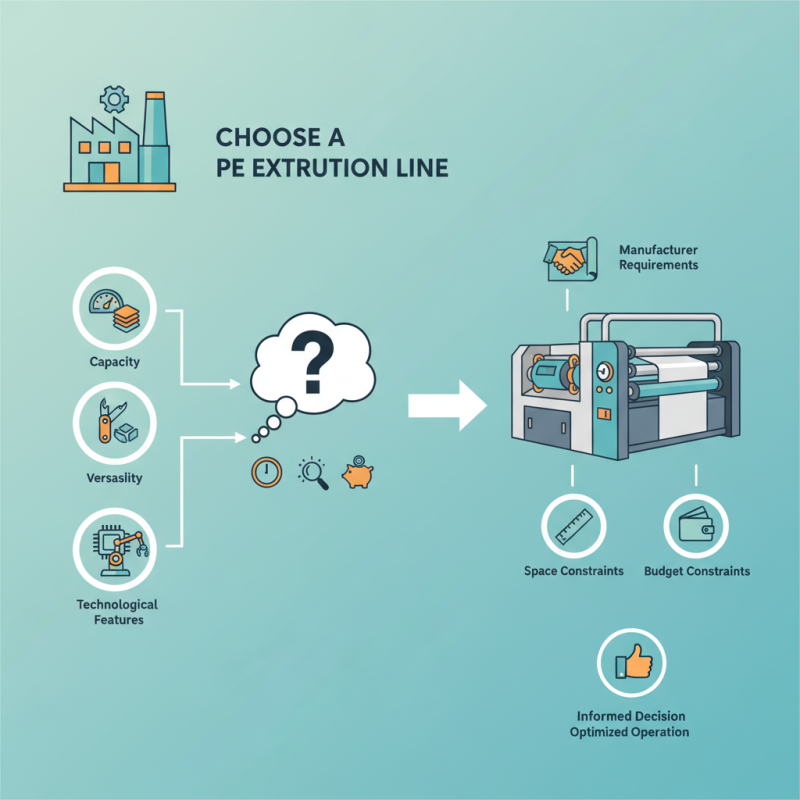
When evaluating a PE extrusion line, consider your specific production needs. Look at the capacity, versatility, and technological features. Each aspect impacts the overall effectiveness of your manufacturing processes. The wrong choice can lead to wasted resources and delays.

Moreover, it’s essential to understand that not all lines suit every application. Each manufacturer has unique requirements. Sometimes, factors like space and budget constraints complicate decisions. Ask yourself: Are you prioritizing speed, quality, or cost? Reflecting on these questions can guide you in selecting the best PE extrusion line for your operation.

How to Choose the Right PE Extrusion Line for Your Production Needs

Understanding PE Extrusion Line Basics and Applications

How to Choose the Right PE Extrusion Line for Your Production Needs

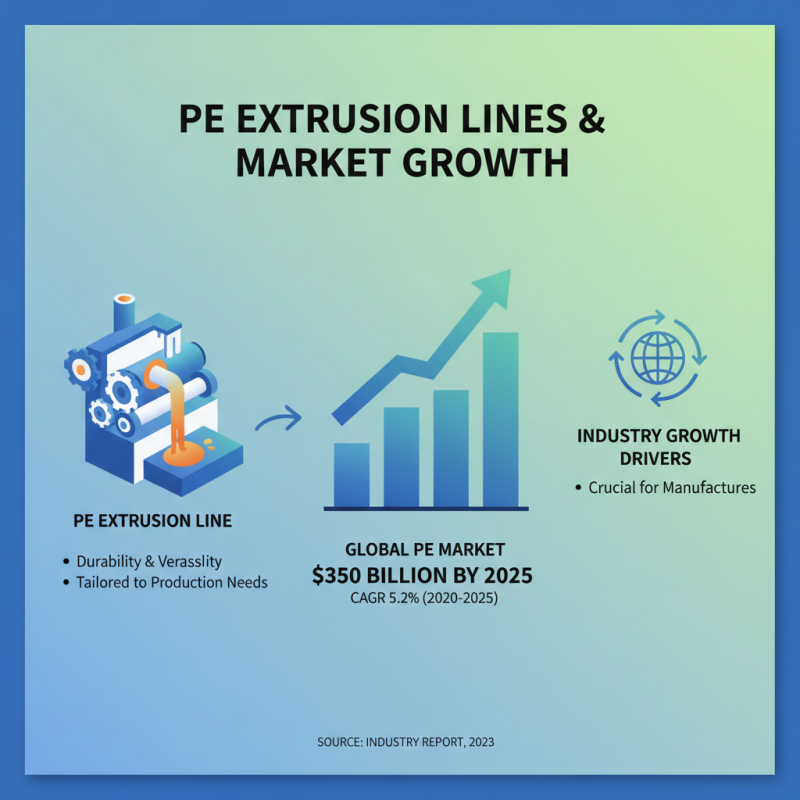
Understanding PE extrusion lines is crucial for manufacturers. Polyethylene (PE) is widely used in various industries due to its durability and versatility. According to a recent industry report, the global polyethylene market is projected to reach $350 billion by 2025, reflecting a compound annual growth rate (CAGR) of 5.2%. This growth highlights the importance of selecting the right extrusion line tailored to specific production needs.

PE extrusion lines serve multiple applications, including packaging, automotive parts, and construction materials. They allow manufacturers to produce films, sheets, and profiles effectively. Each application has distinct requirements, influencing the choice of extruder size, output capacity, and type of die. For example, when producing thin films, a specific extrusion line setup ensures uniform thickness and optimal material properties. However, achieving consistency is often challenging, and manufacturers may face issues with material flow or temperature control.

Choosing the appropriate extruder involves balancing aspects like throughput and product quality. Some manufacturers might overlook the importance of proper maintenance, which can lead to erratic performance. Regular checks on temperature and pressure are vital. Data shows that improper settings can reduce output efficiency by up to 30%. As the PE market continues to grow, aligning production capabilities with evolving industry demands remains critical for success.

Evaluating Production Capacity and Output Requirements

Choosing the right PE extrusion line requires assessing your production capacity and output requirements carefully. Production capacity is often determined by the desired output. It is essential to estimate your daily or weekly production needs realistically. Consider factors such as market demand, material availability, and operational hours.

Tip: Evaluate your current production levels. Identify any bottlenecks in your workflow. This analysis will help you determine if your existing capacity is sufficient for growth.

Output requirements play a critical role too. They dictate the specifications of the extrusion line. Think about the desired product dimensions, thickness, and strength. Inadequate output specifications can affect the quality of your finished products.

Tip: Consult with experienced engineers. They can help you refine your output criteria. Their insights might reveal overlooked aspects in your current setup. Don't hesitate to adapt your requirements as needed. Flexibility can lead to better productivity and efficiency.

How to Choose the Right PE Extrusion Line for Your Production Needs - Evaluating Production Capacity and Output Requirements

Production Type Production Capacity (kg/h) Output Requirements (m/min) Material Type Line Configuration
Plastic Pipes 300 10 PE 100 Single Screw
Plastic Sheets 500 15 HDPE Multi-Layer
Film Production 400 20 LDPE Blown Film
Extruded Profiles 350 12 PE Custom Mold

Key Features to Consider in PE Extrusion Equipment

Choosing the right polyethylene (PE) extrusion line is critical for ensuring efficiency and quality in production. One of the key features to consider is the type of screw design. A well-designed screw significantly impacts material processing. According to a recent market report, an optimized screw design can enhance output by up to 30%. The right geometry allows for better mixing and melting, which translates into superior product consistency.

Another important feature is the temperature control system. Maintaining precise temperature is crucial for processing PE effectively. Research shows that variations in temperature can lead to production defects. A line with advanced temperature control capabilities can minimize these risks. Employing infrared sensors and automated feedback mechanisms helps maintain stability. This may sound straightforward, yet many setups still use outdated systems.

Additionally, consider the die head configuration. The choice between a single or multi-layer die affects the end product’s quality. A study highlighted that multi-layer dies can improve material efficiency by 25%. However, they also introduce complexity in setup and maintenance. Balancing these aspects is essential. The right choice is not always clear-cut, demanding careful evaluation and potential compromises.

Key Features to Consider in PE Extrusion Equipment

Assessing Budget and Cost-Effectiveness of PE Extrusion Lines

When choosing a PE extrusion line, budget considerations are crucial. Industry reports indicate that the initial investment can range widely. A typical extrusion line can cost from $50,000 to over $500,000. This variability depends on capacity, features, and manufacturer reputation. Understanding the total cost of ownership is essential. Some low-cost options may lead to higher maintenance expenses later.

Cost-effectiveness doesn’t only involve upfront costs. The efficiency of the line plays a key role. High-quality machines can boost production rates by up to 30%. This can lower unit costs significantly. Research shows that companies may recover their investment within two years if they choose wisely. However, cheap equipment can sometimes lead to increased downtime. This could negate the initial savings.

Analyzing energy consumption is another important factor. Advanced PE extrusion lines can lower energy use by 20-40%. Investing in energy-efficient options might be more expensive initially but leads to long-term savings. Inadequate attention to energy efficiency can result in overspending over time. It's a fine balance between cost and performance. Always consider the big picture when evaluating your options.

Exploring Manufacturers and Support Services for PE Equipment

How to Choose the Right PE Extrusion Line for Your Production Needs

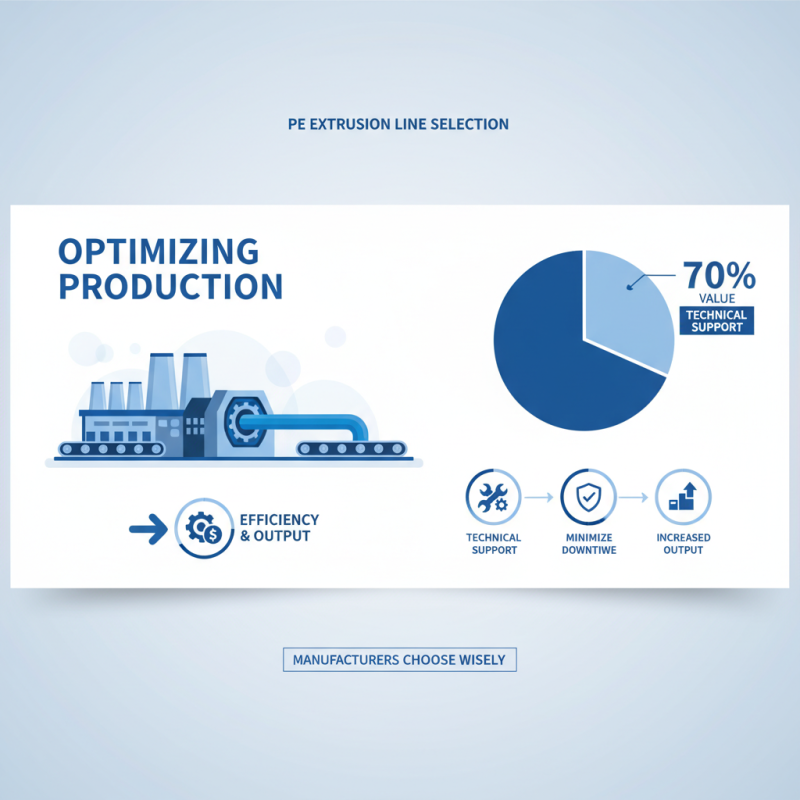
Choosing the right PE extrusion line is crucial for production efficiency. It’s not just about the machinery; support services and manufacturers play a vital role. According to industry reports, around 70% of manufacturers value ongoing technical support. This ensures that production runs smoothly, minimizing downtime and increasing output.

When evaluating manufacturers, examine their reputation and service offerings. A reliable manufacturer should provide installation, training, and maintenance. Equipment should not only be high-quality but also supported by a knowledgeable team. The average down-time for poorly supported machines is reported to be over 20%, negatively impacting overall productivity.

Tips: Look for manufacturers with strong customer service. They should be responsive to inquiries and ready to address concerns.

Don't overlook the importance of compatibility. Your existing equipment should mesh well with new machinery. It's often a challenge to ensure new lines integrate seamlessly with older systems. A mismatch can lead to inefficiencies that could have been avoided. Aim for setups that promote an adaptable workflow.