Why Choose the Right Motor Winding Cable for Your Project?
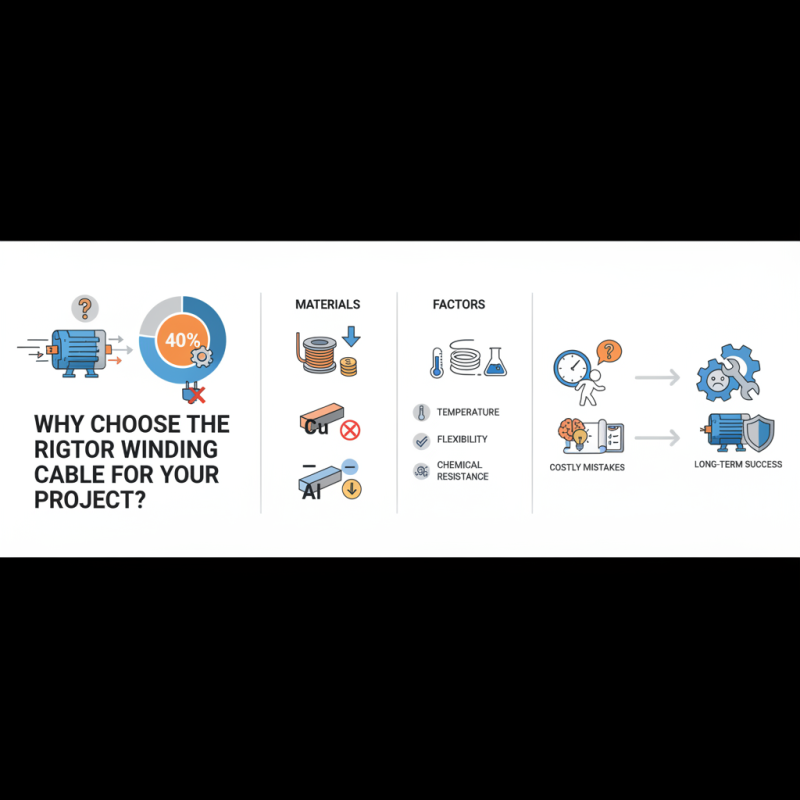
Selecting the right Motor Winding Cable is crucial for any engineering project involving electric motors. According to the International Electrotechnical Commission (IEC), improper cable selection can lead to significant efficiency losses, reduced performance, and even equipment failures. A study by the Electrical Manufacturing Association shows that up to 40% of motor inefficiencies stem from inadequate wiring solutions.
Motor Winding Cables come in various materials, sizes, and insulation types. Each type offers unique properties that affect performance and durability. For instance, copper cables are commonly preferred due to their excellent conductivity. However, they can be more expensive than aluminum options. The decision often hinges on specific project requirements and budget constraints.
Many engineers overlook the long-term implications of their cable choices. It’s important to consider factors like temperature tolerance, flexibility, and chemical resistance. These aspects can impact maintenance needs and longevity. Making an informed choice is essential, yet companies often rush this decision, leading to regret down the line. Understanding these factors and making thoughtful selections can prevent costly mistakes in future operations.
Understanding the Importance of Motor Winding Cables in Projects
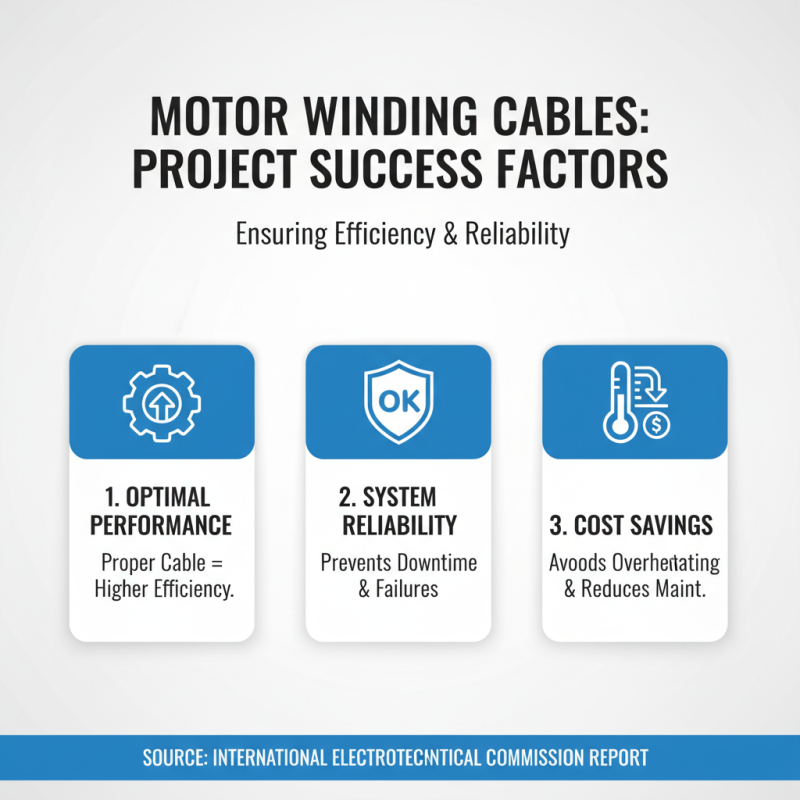
Choosing the right motor winding cable is crucial for project success. Motor winding cables are vital for ensuring efficiency and reliability in electrical systems. According to a report by the International Electrotechnical Commission, improper cable selection can lead to overheating and increased maintenance costs, impacting overall project timelines.
When selecting a motor winding cable, consider factors like voltage rating, insulation type, and environmental conditions. A report from the National Electrical Manufacturers Association highlights that incorrect insulation can reduce cable life by up to 50%. It is essential to avoid common pitfalls, such as choosing cables that are not suited for specific applications or environments.
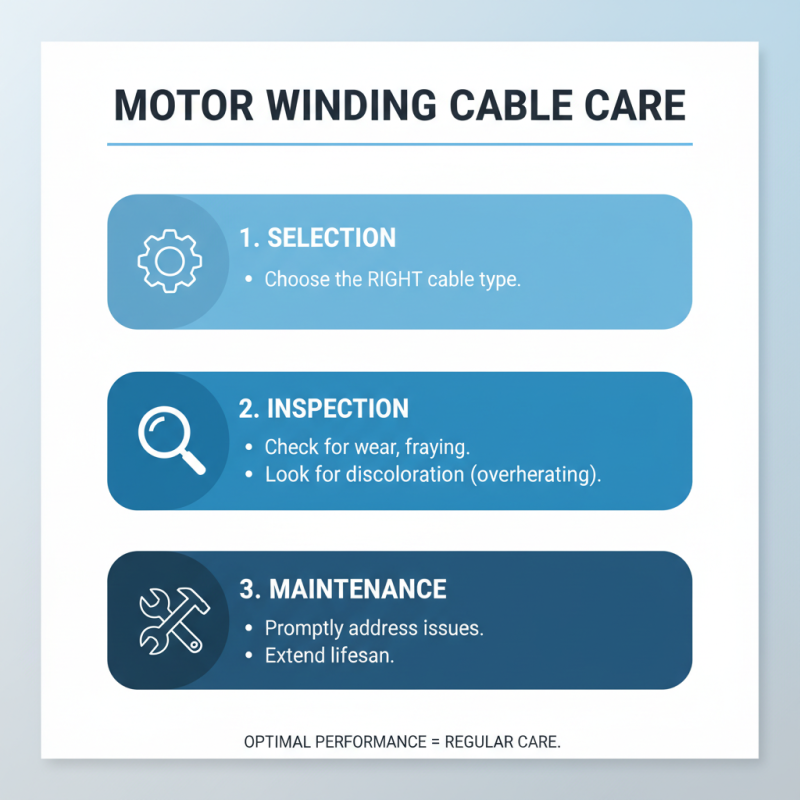
Tips: Always review the temperature rating of the cable. This detail can prevent failures during peak operational conditions. Assess the installation environment carefully, as moisture or extreme temperatures can affect performance. A thorough evaluation of these factors ensures that your project runs smoothly and stays within budget.
Key Factors to Consider When Selecting Motor Winding Cables
When selecting motor winding cables, a few key factors demand attention. The type of insulation is crucial. It protects the cable from heat, moisture, and chemical exposure. Different environments require different insulation materials. For instance, harsh conditions may call for thicker, more durable insulation.
Another significant factor is the cable gauge. Thicker wires can handle more current but may be less flexible. Flexibility matters in applications where cables must bend and move frequently. Striking a balance between gauge and flexibility is crucial for optimal performance.
Don't overlook the temperature ratings of the cables. These ratings indicate the maximum operating temperature. Exceeding these limits can lead to insulation breakdown. Always consider your project's specific thermal environment to ensure safety and longevity. Choosing the appropriate motor winding cable involves careful thought and attention to detail. It's a choice that can impact efficiency and reliability.
Importance of Selecting the Right Motor Winding Cable
Types of Motor Winding Cables and Their Applications
When it comes to motor winding cables, choosing the right type is vital for optimal performance. Several types exist, including polyurethane, PVC, and silicone insulated cables. Each type offers unique advantages suited to different applications. For instance, silicone cables are often preferred for high-temperature environments, withstanding temperatures up to 200°C. Reports indicate that using the right insulation can increase a motor's lifespan and efficiency by around 20%.
In electric motors, PVC insulated cables are commonly employed due to their flexibility and cost-effectiveness. They perform well in standard operating conditions, making them a go-to choice for many projects. However, they may not perform as well in harsh environments. This can lead to failures if underestimated. Understanding specific project requirements is essential in selecting the right motor winding cable.
Polyurethane cables, noted for their abrasion resistance, are often used in robotics and automation. This type excels in dynamic applications, providing durability over time. Nevertheless, they can be pricier than other options, which may be a concern for budget-conscious projects. Balancing cost and performance is a constant challenge. Ultimately, careful consideration of the application will guide the best choice for motor winding cables.
Common Mistakes to Avoid When Choosing Winding Cables
Choosing the right motor winding cable is crucial for optimal performance and longevity. However, many projects suffer from common mistakes in cable selection. One prevalent error is underestimating the cable's current-carrying capacity. According to industry standards, selecting a cable with inappropriate ampacity can lead to overheating and premature failure. A cable's temperature rating is also important. Inadequate ratings may cause insulation breakdown, compromising safety and efficiency.
When choosing winding cables, avoid the misconception that all cables perform similarly. The material and construction of a cable significantly affect its performance. For instance, copper cables generally offer better conductivity compared to aluminum, but they may be more costly. Additionally, the environment where the cables will be used should inform your choice. Humidity, temperature fluctuation, and exposure to chemicals can all influence cable selection.
**Tip:** Always consult the National Electrical Code (NEC) or relevant standards for guidelines on ampacity and insulation type. This ensures compliance and enhances the reliability of your project.
Lastly, conducting a thorough analysis of the entire system is essential. Relying solely on one aspect, such as pricing, can lead to ignoring critical specifications. Consider the total cost of ownership. An inexpensive cable may save funds initially but could lead to higher maintenance costs in the long run.
Why Choose the Right Motor Winding Cable for Your Project? - Common Mistakes to Avoid When Choosing Winding Cables
| Mistake |
Description |
Consequence |
Recommendation |
| Ignoring Voltage Rating |
Choosing a cable that doesn't match the voltage requirements. |
Risk of insulation failure and potential hazards. |
Ensure voltage ratings are compatible with your application. |
| Underestimating Current Capacity |
Selecting a cable with insufficient current capacity. |
Overheating and possible cable damage. |
Consult specifications for optimal current ratings. |
| Neglecting Environmental Factors |
Not considering temperature, moisture, or chemical exposure. |
Cable degradation and failure over time. |
Choose cables designed for specific environmental conditions. |
| Overlooking Cable Insulation Quality |
Selecting cables with poor insulation properties. |
Increased risk of electrical shorts. |
Invest in high-quality insulation materials. |
| Choosing Incompatible Materials |
Not accounting for compatibility with other components. |
Potential for material corrosion and failure. |
Verify material compatibility before selection. |