How to Operate a Double Twist Bunching Machine Effectively?
In the world of textile manufacturing, the Double Twist Bunching Machine stands as a crucial element. Expert John Smith, renowned for his work in the weaving industry, once stated, "Operating a Double Twist Bunching Machine requires both skill and precision." This machine plays a significant role in producing quality yarns and threads.
To operate this machine effectively, understanding its mechanics is vital. Proper threading techniques and regular maintenance are essential components of success. Each setting can dramatically impact the outcome. Minor adjustments may lead to significant improvements, while overlooking small details can hinder performance.
Operators often face challenges. Issues like yarn breakage or tension discrepancies can arise unexpectedly. These setbacks remind us of the importance of continuous learning and adaptation in our methods. Embracing these imperfections leads to better results over time. Mastering the Double Twist Bunching Machine is not just a technical skill; it is an evolving journey.
Understanding the Components of a Double Twist Bunching Machine
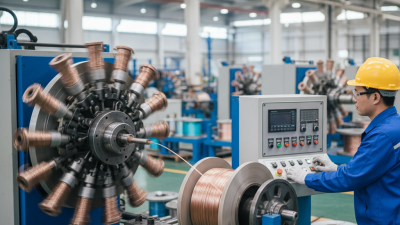
A double twist bunching machine is essential in cable and wire production. Understanding its components can greatly enhance operation efficiency. This machine mainly includes the bobbin, pay-off stand, twisting head, and take-up. Each part plays a critical role in the overall functionality.
The bobbin holds the wire. It must be loaded correctly to prevent tangles. The pay-off stand releases the wire evenly. Improper alignment can cause jams, leading to longer downtime. Next, the twisting head creates the necessary bunching. Incorrect settings can result in insufficient twists or an uneven finish. It's important to adjust and calibrate these components regularly.
The take-up collects finished product. It should be monitored to ensure smooth operation. Operators often overlook the wear and tear on components, leading to unexpected malfunctions. Regular inspection and maintenance can remedy this issue. Small adjustments can make a big difference in performance. Keeping a checklist for each operation step may help identify areas needing attention.
Effectiveness of Double Twist Bunching Machine Components
Preparation Steps Before Operating the Machine
Operating a double twist bunching machine requires careful preparation. Before starting, ensure you have all necessary tools and materials ready. Gather the required yarn and check the machine for any signs of wear. Inspect the bobbins for tangles. A tangle can cause significant delays during operation.
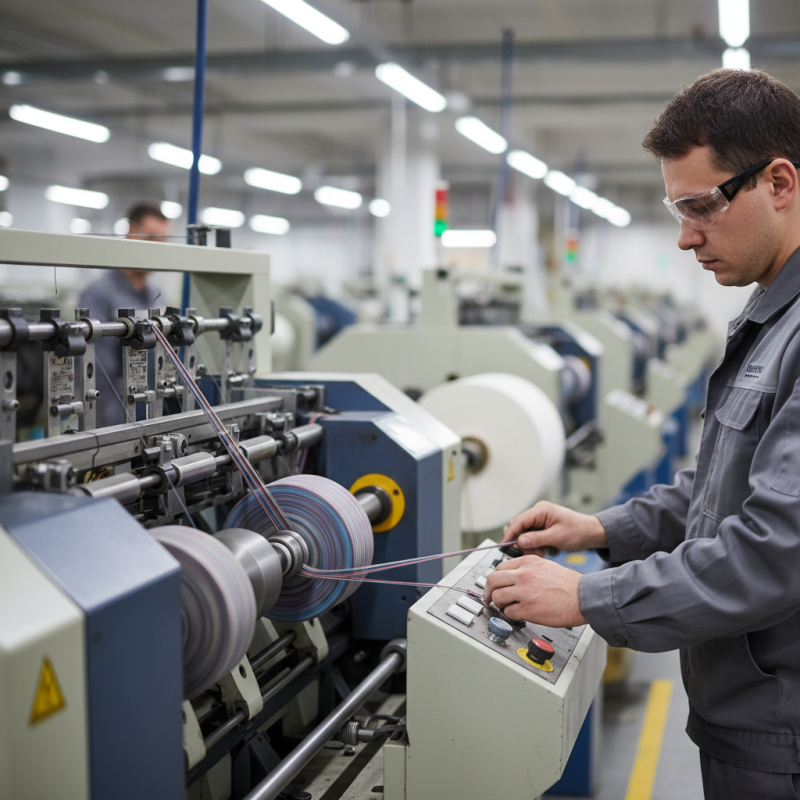
Adjust the tension settings according to the yarn specifications. Improper tension can lead to defects. Ensure that the machine's feeding wheels are clean and free from dust. This helps in maintaining a steady flow of material. Also, familiarize yourself with the control panel. Understanding each button and dial can save time later on.
It’s vital to conduct a trial run. Start the machine with a small batch of yarn to observe its performance. Monitor for any unusual sounds or vibrations. They can indicate potential problems. Not every trial run will go perfectly; take notes on any issues for future reference. This reflection will enhance your operational skills progressively.
Step-by-Step Operating Procedures for Efficient Bunching
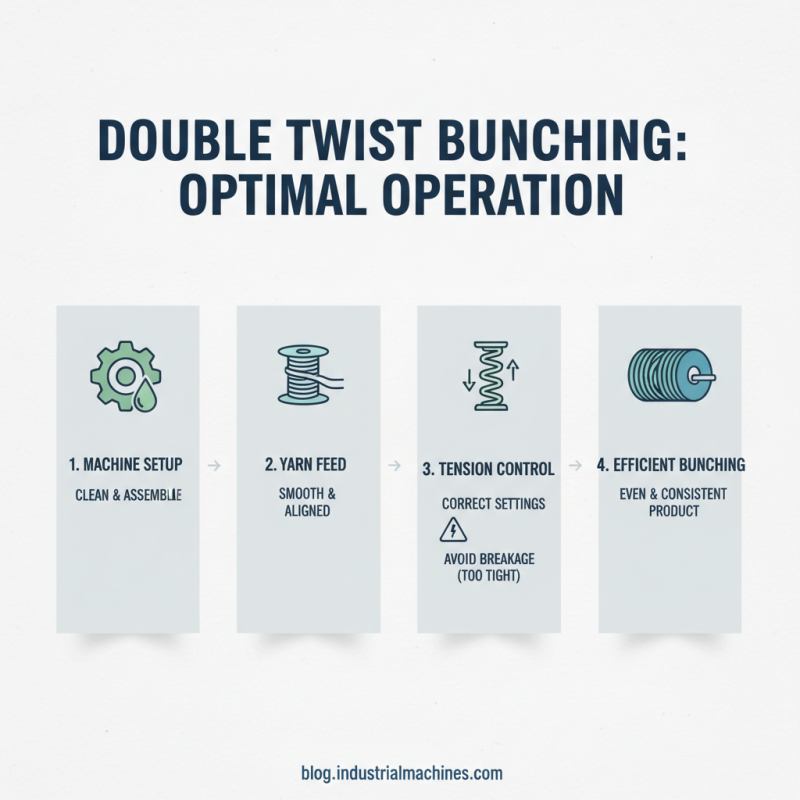
Operating a double twist bunching machine efficiently requires careful attention to detail. Start by setting up the machine. Ensure that all parts are clean and free from debris. Check that the yarn feed is smooth and aligned. Use the correct tension settings. This is crucial for even bunching. Remember, if the tension is too tight, it can lead to breakages.
During operation, monitor the yarn closely. Look for any irregularities in the output. Adjustments may be needed if the bunches are inconsistent. Pay attention to machine noise; unusual sounds may indicate a problem. Take time to observe the process. Each adjustment should be noted for future reference. Don’t overlook small issues, as they can lead to larger complications.
After operation, perform a thorough inspection. Review the quality of the bunches produced. Reflect on the efficiency of your methods. Were there any disruptions? Documenting these experiences creates a valuable resource for future improvements. Emphasizing consistency in operation will enhance productivity over time.
Common Troubleshooting Tips During Machine Operation
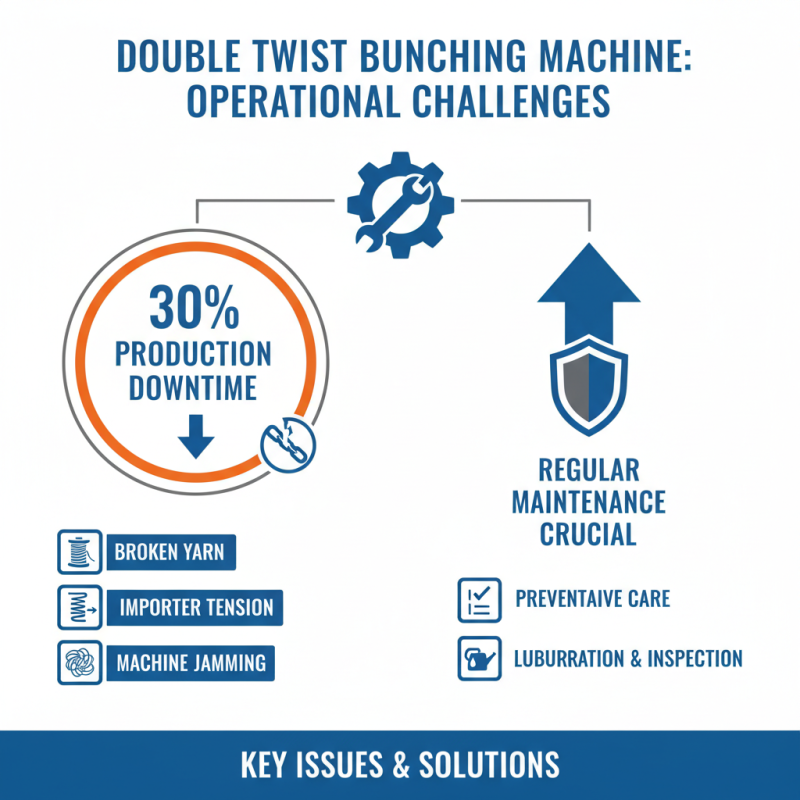
Operating a double twist bunching machine can pose several challenges. Regular maintenance is crucial. Statistics indicate that over 30% of production downtime relates to equipment malfunction. Operators must be familiar with the most common issues. These include broken yarn, improper tension, and machine jamming.
Adjusting the tension is vital for smooth operation. Many machines require specific tension levels based on the material used. Inadequate tension can lead to yarn breakage, impacting overall productivity. Monitoring this aspect can prevent frustrations down the line. Operators should conduct regular checks during production runs, optimizing settings as needed.
Unexpected jams can also disrupt workflow. These occur due to debris or misalignment. Operators are encouraged to keep the work area clean. A study revealed that clean environments can reduce such incidents by nearly 25%. Furthermore, operators should review machine settings and ensure everything aligns correctly. Documenting issues and solutions can help in future troubleshooting efforts.
Maintenance Practices to Ensure Longevity and Performance
Operating a double twist bunching machine requires diligence in maintenance. This ensures smooth operation and extends the equipment's lifespan. Regularly inspect all components for wear and tear. Check the belts, motor, and spindles. If anything looks worn, replace it promptly to avoid costly repairs.
Tips: Always clean the machine after use. Dust and residue can affect performance. Lubricate moving parts regularly. A well-lubricated machine runs more efficiently.
Monitoring the machine's performance is crucial. Listen for unusual sounds while it operates. A squeak or hum could indicate a need for maintenance. Take notes if you notice any inconsistencies. Patience in troubleshooting can prevent major issues later on.
Tips: Keep a maintenance log. Document every service and repair. This helps track performance over time. Learning from maintenance challenges can build better skills. Don't ignore small problems; they can escalate quickly.
How to Operate a Double Twist Bunching Machine Effectively? - Maintenance Practices to Ensure Longevity and Performance
| Maintenance Activity |
Frequency |
Purpose |
Impact on Performance |
| Lubrication of moving parts |
Weekly |
Reduce friction and wear |
Improves efficiency and extends life |
| Cleaning of machine components |
Daily |
Remove debris and dust |
Ensures smooth operation |
| Inspection of electrical systems |
Monthly |
Check for wear and faults |
Prevents electrical failures |
| Calibration of tension settings |
Quarterly |
Maintain optimal performance |
Enhances product quality |
| Replacement of worn-out parts |
As needed |
Prevent breakdowns |
Ensures reliability |
| Software updates |
Annually |
Enhance functionality |
Improves overall performance |