Why is Electric Motor Rewinding Essential for Industrial Efficiency?
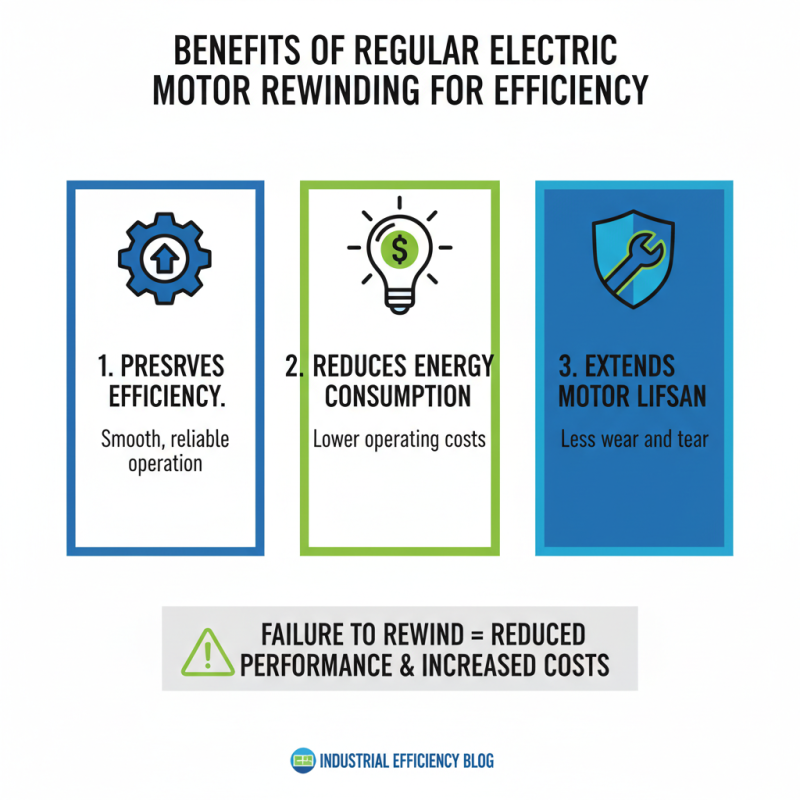
Electric Motor Rewinding plays a crucial role in enhancing industrial efficiency. According to a report by the National Electrical Manufacturers Association, electric motors account for nearly 70% of industrial energy consumption. Efficient motors translate to significant cost savings. The process of rewinding ensures these motors operate at peak performance and longevity.
Failure to maintain electric motors can lead to increased energy waste and unexpected downtime. Studies show that downtime can cost industries upwards of $2 million per hour. Regular rewinding can prevent such costly interruptions. It helps restore the motor's efficiency, reduced energy consumption, and ensures seamless operation.
Moreover, as industries move towards sustainability, rewinding extends a motor's lifespan, reducing waste and resource consumption. This method reflects the industry's commitment to environmental stewardship. While many overlook the importance of Electric Motor Rewinding, recognizing its value can yield substantial long-term benefits. In an age where efficiency dictates competitiveness, this maintenance practice is essential.
Importance of Electric Motors in Industrial Applications
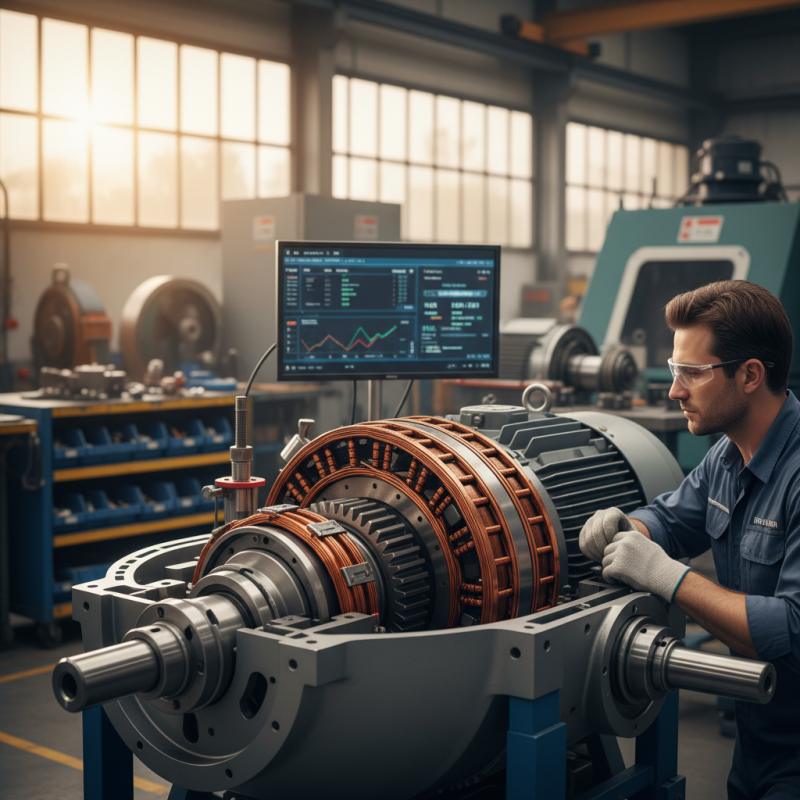
Electric motors play a critical role in industrial applications. They drive various machinery, affecting production efficiency. In factories, electric motors power conveyors and pumps. They are vital for machinery that relies on motion. Without these motors, many operations would come to a halt. This reliance underscores their importance in maintaining productivity.
When motors fail, the cost can be significant. Downtime affects output and revenue. Moreover, repairing motors through rewinding can extend their life. Rewinding helps maintain optimal performance. It minimizes energy waste, ensuring that operations remain efficient. A well-maintained motor can reduce energy consumption significantly.
Tip: Schedule regular inspections for motors. This proactive approach can help identify issues early.
It's essential to recognize that not all motors are the same. Different applications demand unique designs and specifications. When repairing, understanding the motor's original function is crucial. Inadequate repairs can lead to repeated failures.
Tip: Keep records of repairs and maintenance. This documentation aids in future troubleshooting efforts. Efficient and reliable motors are central to industrial success. Balancing performance and maintenance should be a continuous focus.
Factors Leading to Electric Motor Wear and Tear
Electric motors are the backbone of many industrial processes. They are vital for driving machinery and equipment. However, these motors can face issues over time. Understanding the factors that lead to electric motor wear and tear is crucial for maintaining performance.
One major cause of wear is overheating. According to studies, around 40% of motor failures stem from thermal overload. Inadequate cooling can exacerbate this problem. Additionally, contaminants such as dust, moisture, and chemicals can infiltrate motor systems. This significantly increases the risk of electrical shorts. Data suggests that over 30% of motor failures are linked to poor maintenance practices. Regular inspections and cleaning can mitigate these risks.
Another critical factor is mechanical stress. Motors can suffer from misalignment and vibration, which cause excessive wear on bearings and windings. Research indicates that nearly 25% of motor failures occur due to mechanical issues. Early detection of these factors is essential. The complexity of electric motors means that neglecting small issues can lead to significant downtime and repair costs. The industrial sector must prioritize motor rewinding and maintenance to enhance overall efficiency and performance.
Understanding the Rewinding Process of Electric Motors
Electric motor rewinding is crucial for industrial efficiency. The rewinding process involves replacing damaged windings in electric motors. This ensures optimal performance and longevity of the motors. According to the International Electrotechnical Commission, proper maintenance enhances motor efficiency by up to 30%. This significant improvement leads to reduced energy consumption.
The process of rewinding requires skilled technicians. They meticulously remove the old winding and replace it with new copper wire. Precision is key; even minor errors can lead to performance issues. Industry reports indicate that over 50% of motor failures are due to insulation breakdown. Regular rewinding can prevent such failures by maintaining electrical integrity. The demand for skilled rewinding services is growing as industries prioritize reliability.
In some cases, businesses overlook the importance of rewinding until a motor fails. This reactive approach can be costly. Scheduled rewinding can identify problems early and prevent unexpected downtime. Understanding the rewinding process allows companies to make informed decisions. Efficiency and cost savings can be achieved through proactive maintenance.
Electric Motor Efficiency Before and After Rewinding
Cost Considerations and ROI of Motor Rewinding in Industry
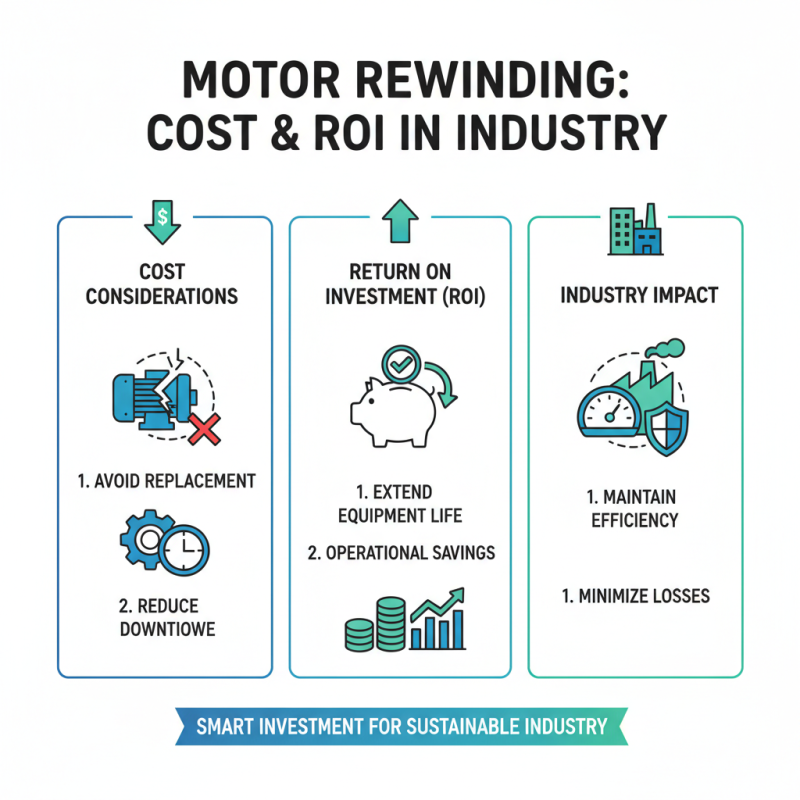
Electric motor rewinding plays a vital role in maintaining industrial efficiency. A well-functioning motor reduces downtime. By investing in rewinding, companies avoid costly replacements. When a motor breaks down, production halts, leading to significant financial losses. Motor rewinding can extend the lifespan of equipment, offering valuable cost savings.
Analyzing the ROI of motor rewinding reveals its long-term benefits. While upfront costs exist, they are often outweighed by savings over time. For example, reduced energy consumption can lead to lower utility bills. Many businesses find that motor rewinding pays off after just a few uses. The ability to refurbish older models can also mitigate waste. Companies remain committed to sustainability while maintaining operational capacity.
However, not all rewinding services are equal. Quality and reliability vary among providers. Selecting an experienced technician is crucial. Poor workmanship can lead to repeated failures, nullifying the benefits of rewinding. Therefore, it’s essential to consider not only the costs but also the expertise behind motor rewinding. Re-evaluating service providers can prevent setbacks and ensure efficiency remains high.