10 Essential Tips for Using a Tubular Stranding Machine Effectively?
Using a Tubular Stranding Machine effectively is crucial for achieving high-quality cable production. This machine plays a significant role in various manufacturing processes, including electrical cables and wires. To maximize performance, operators must understand the intricacies involved in its operation.
Many users struggle with machine settings and material feed rates. These challenges can lead to inconsistent results or machine downtime. Each operator should focus on understanding their machine's unique features. This knowledge can help in troubleshooting common issues.
Investment in operator training is essential. Skilled operators can ensure efficiency and maintain the quality of production. However, it's also vital to regularly assess machine performance. Reflecting on both successes and mistakes will provide valuable insights for improvement. Emphasizing continuous learning can significantly enhance the output from a Tubular Stranding Machine.
Understanding the Basics of Tubular Stranding Machines
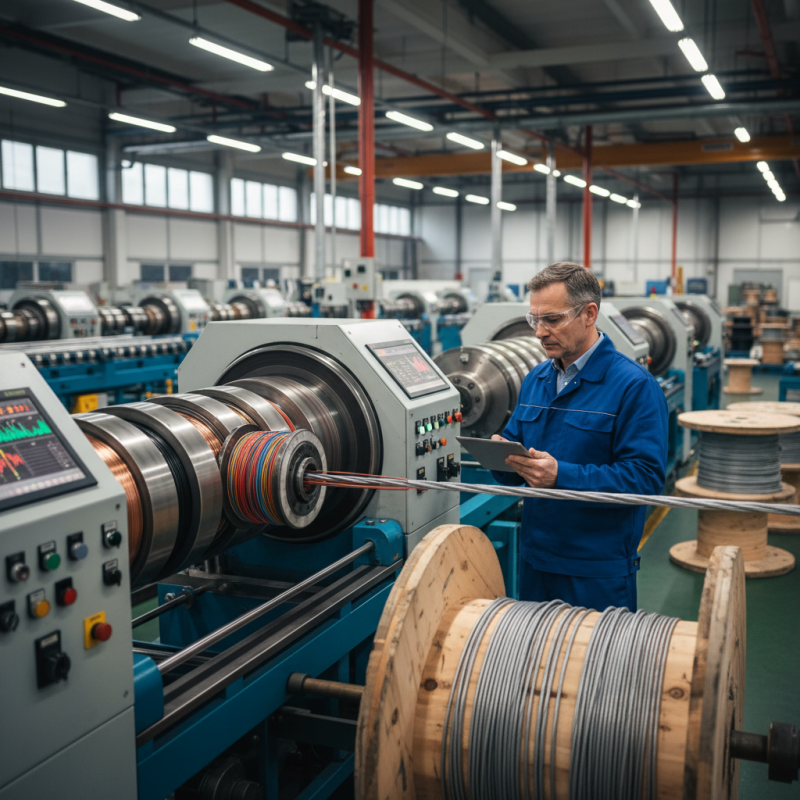
Tubular stranding machines are vital in wire and cable production. These machines twist wires together, creating strong and flexible cables. Understanding their basic functions is crucial for effective operation. A tubular stranding machine primarily consists of rotating spools and a guiding system. The spools hold the wires, while the guiding system ensures precise alignment during the twisting process.
One common challenge operators face is maintaining tension. If the wires are too loose, it can lead to uneven strands. Conversely, excessive tension may cause breakage. Regularly checking the tension settings can mitigate this problem. Additionally, it is essential to be aware of the machine’s speed. Operating at an optimal pace ensures consistent stranding quality.
It is also important to consider maintenance routines. Neglecting upkeep can lead to unexpected machine failures. Operators should schedule regular inspections of bearings and drive components. These steps can significantly enhance reliability. Engaging in training sessions can further improve familiarity with the machine’s capabilities. By focusing on these fundamentals, operators can achieve better outcomes with their tubular stranding machines.
10 Essential Tips for Using a Tubular Stranding Machine Effectively
Key Components and Their Functions in Stranding Operations
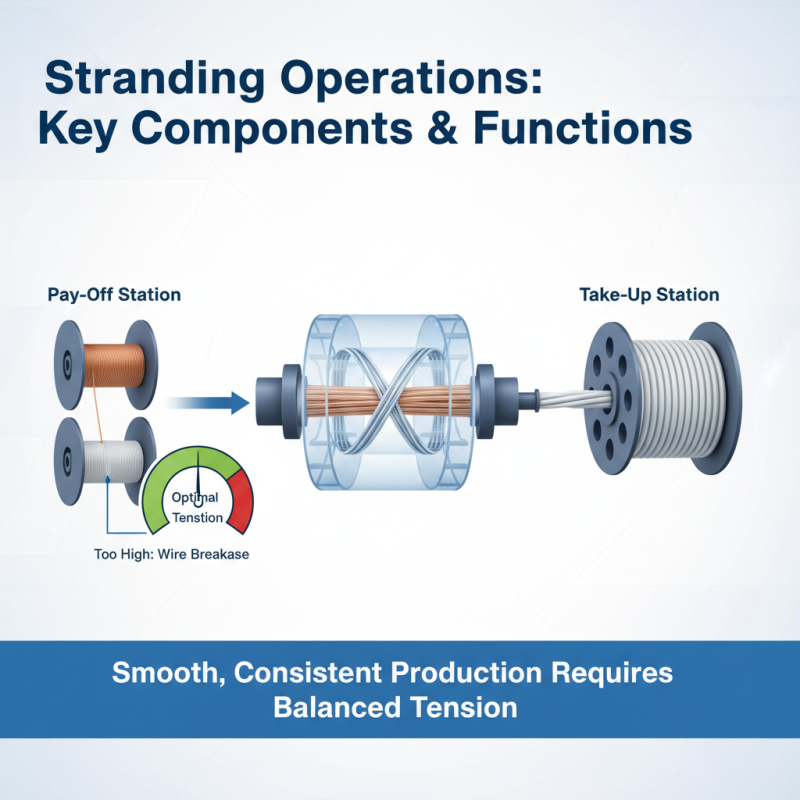
In stranding operations, understanding key components is crucial for efficiency. A tubular stranding machine typically features several vital parts. The pay-off station feeds wire and fiber into the machine, ensuring smooth, continuous flow. Proper tension management here is critical, as it prevents wire breakage. If the tension is too high, wires can snap, while too low can lead to inconsistent stranding quality.
Another core component is the stranding head. This is where the real action happens. It twists wires together to form cables. The design of the stranding head influences the finished product's mechanical strength. A poorly designed head can lead to uneven stranding, resulting in weak cables. Research shows that nearly 30% of cable production issues stem from inadequacies in this area. Regular maintenance and calibration of the stranding head can mitigate such risks.
Lastly, the take-up device coils the finished strands neatly. If improperly adjusted, it can cause tangled wires. This not only affects production flow but also leads to costly rework. Training operators on these components is essential. Invest in on-site workshops to enhance their understanding of these critical elements. Stranding operations can yield a high-quality product, but it begins with a thorough grasp of machine components.
Essential Setup Procedures for Optimal Performance
Setting up a tubular stranding machine properly is crucial for achieving optimal performance. First, check the alignment of the components. Misalignment can lead to uneven stranding and increased wear on parts. According to industry reports, a misaligned machine can decrease efficiency by up to 15%. Regular maintenance checks ensure that the pulleys and bearings are functioning effectively.
Adjusting the tension is another key setup procedure. Incorrect tension can cause defects in the final product. Studies indicate that around 25% of product failures in stranding arise from improper tension settings. Use calibrated gauges to ensure consistent tension. This not only mitigates defects but also enhances the overall quality of the output.
Monitoring environmental conditions is essential too. Temperature and humidity can affect material properties. A 2020 study pointed out that fluctuations in temperature could alter the elasticity of polymers used in stranding. Ensure your workspace maintains stable conditions to preserve material integrity. It's common for operators to overlook this aspect, leading to unexpected failures later on. Each of these setup procedures requires careful consideration and regular evaluation to enhance productivity.
10 Essential Tips for Using a Tubular Stranding Machine Effectively
| Tip Number |
Tip Description |
Importance Level |
Frequency of Use |
| 1 |
Ensure Proper Machine Calibration |
High |
Daily |
| 2 |
Maintain Cleanliness of Machine Components |
Medium |
Weekly |
| 3 |
Regularly Inspect Wire Feed Mechanism |
High |
Daily |
| 4 |
Optimize Tension Settings Based on Material |
High |
Per Production Run |
| 5 |
Use Proper Lubrication on Moving Parts |
Medium |
Weekly |
| 6 |
Train Staff on Safe Operating Procedures |
High |
Ongoing |
| 7 |
Monitor Production Speeds |
Medium |
Every Shift |
| 8 |
Keep Spare Parts Available |
High |
As Needed |
| 9 |
Utilize Machine for Specific Cable Types |
Medium |
Per Job |
| 10 |
Conduct Regular Performance Reviews |
High |
Monthly |
Best Practices for Maintenance and Troubleshooting
Maintaining a tubular stranding machine is crucial for optimal performance. Regular maintenance prevents costly breakdowns and extends the machine’s lifespan. Inspecting the machine weekly helps catch minor issues before they escalate. For instance, ensure that the bearings are properly lubricated. A well-lubricated bearing can reduce wear and tear by up to 50%.
Troubleshooting common problems is essential for seamless operations. If there is inconsistent tension during the stranding process, check the feed rollers. Misalignment can lead to uneven strand profiles and subsequent quality issues. A good practice is to check the strand tension regularly, ensuring it remains within the recommended range.
Implementing a training program for operators is highly beneficial. Experienced operators can troubleshoot issues quickly and accurately, saving time and resources. Training should cover basic maintenance skills and understanding of operational limits. Frequent training sessions can show a 30% increase in productivity and reduce error rates. An engaged team can identify potential in not just preventing issues but also improving overall machine efficiency.
Safety Guidelines for Operating a Tubular Stranding Machine
Operating a tubular stranding machine requires strict adherence to safety guidelines. According to a report by the Occupational Safety and Health Administration (OSHA), approximately 20% of workplace injuries involve machinery. Proper training and knowledge can significantly reduce these risks. Workers should always wear personal protective equipment (PPE), including gloves, safety glasses, and hearing protection. Real-world examples show that employees who follow safety protocols experience 30% fewer accidents.
[Image]
Regular maintenance is key to ensuring safety during operation. A 2019 study from the National Institute for Occupational Safety and Health (NIOSH) highlighted that machines that are well-maintained can prevent 40% of potential hazards. Operators must inspect machines daily, checking for loose parts or wear. Implementing a maintenance log can help track issues over time, creating a culture of safety in the workplace.
Another critical aspect is the workspace organization. Clutter can lead to accidents and injuries. The National Safety Council reported that a chaotic workspace increases the likelihood of slips and falls by nearly 25%. Ensure that emergency exits are clear and that tools are stored properly. Encourage team members to communicate openly about safety concerns. This proactive approach fosters a safer working environment while making operators more aware of their surroundings.