What is Hdpe Extrusion Line and How Does It Work?
The Hdpe Extrusion Line is a pivotal technology in the plastic manufacturing industry. It specializes in converting high-density polyethylene into various usable forms. Understanding this process is essential for manufacturers looking to enhance efficiency and product quality.
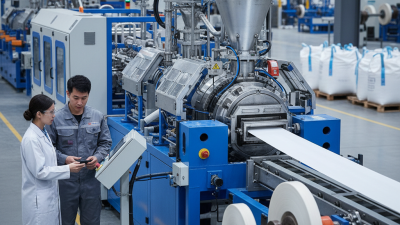
At its core, the Hdpe Extrusion Line consists of several crucial components. These include extruders, dies, and cooling systems. Each plays a significant role in shaping the final product. An operator's expertise is vital for optimizing the production line. Any mistakes can lead to material waste and increased costs, highlighting the need for ongoing training and awareness.
The operations of an Hdpe Extrusion Line can be complex. Parameters such as temperature and pressure must be monitored closely. Even minor deviations can affect product consistency. While there are best practices, challenges always remain in this evolving field. This underscores the importance of continuous improvement and adaptation in manufacturing processes.
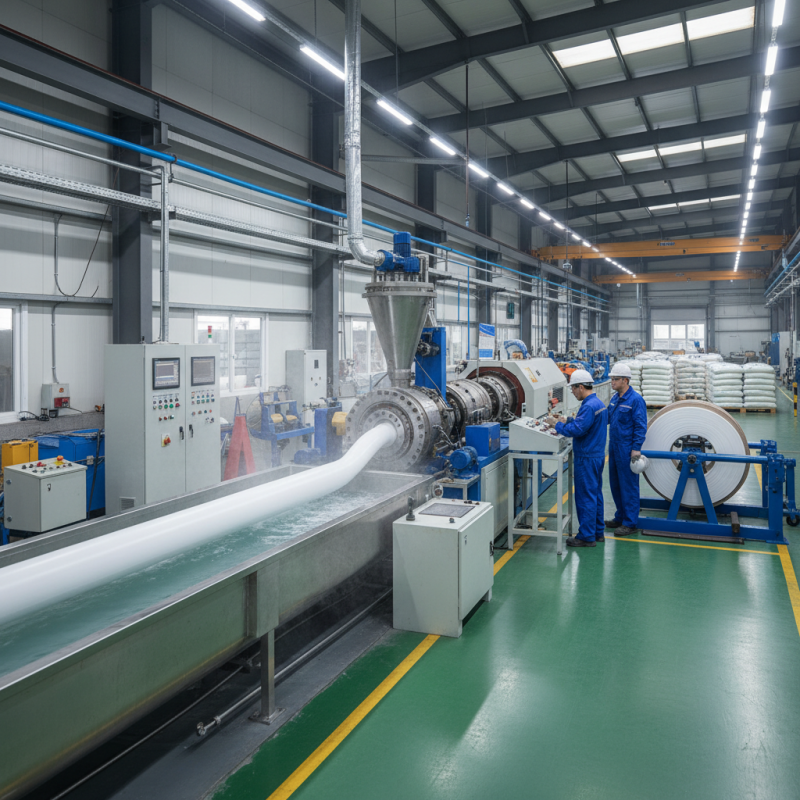
What is HDPE Extrusion Line: An Overview of Its Purpose and Applications
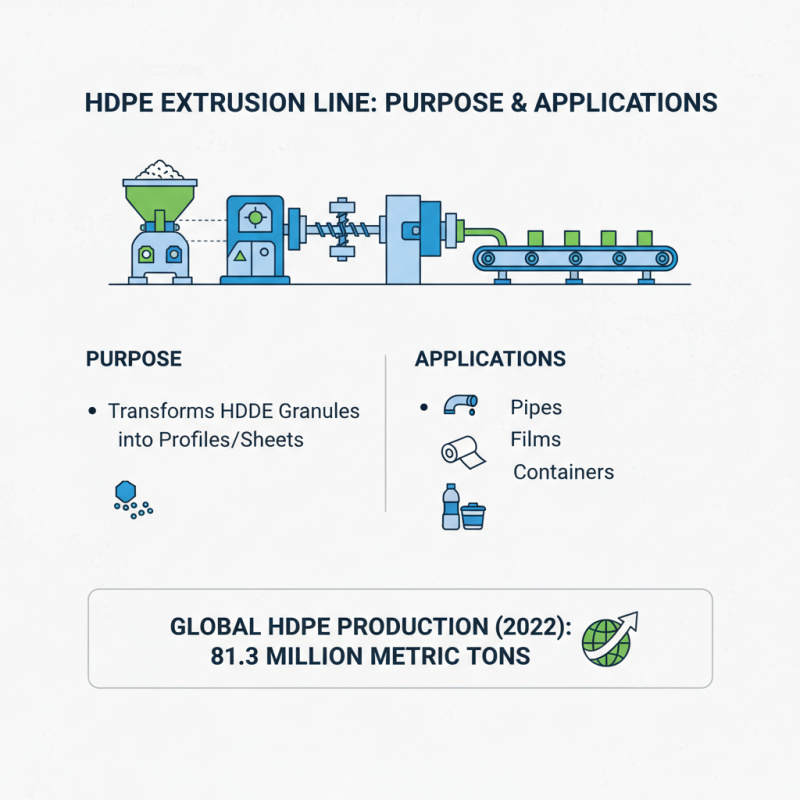
The HDPE extrusion line is a vital part of plastic manufacturing. Its primary purpose is to transform high-density polyethylene (HDPE) granules into continuous profiles or sheets. This machinery plays an essential role in creating products such as pipes, films, and containers. According to industry analysts, the global HDPE production capacity reached 81.3 million metric tons in 2022, highlighting its significance in the plastic sector.
Applications of HDPE are diverse. The construction industry often utilizes HDPE pipes for water and gas supply systems due to their durability and resistance to corrosion. Additionally, HDPE’s flexibility in packaging has led to increased usage in food and consumer goods. The versatility of HDPE makes it suitable for both rigid and flexible applications across industries. Interestingly, as demand grows, manufacturers face the challenge of ensuring sustainability in production. The environmental impact of manufacturing processes can be significant.
Tips: Maintain a close eye on technological advancements. Innovations in extrusion technology can lead to improved efficiency and reduced waste. Regular maintenance of your extrusion equipment is also crucial for consistent output quality. Implementing quality control measures can prevent defects in the final products, ensuring reliability and customer satisfaction.
Key Components of an HDPE Extrusion Line and Their Functions
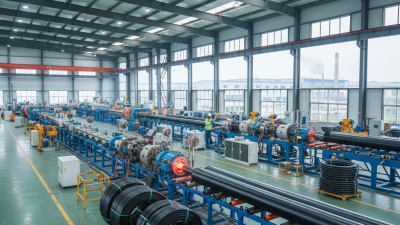
An HDPE extrusion line is a specialized system designed for shaping high-density polyethylene into various products. Understanding its key components is crucial for effective operation. The primary parts include the extruder, die, cooling system, and weir.
The extruder is the backbone of the line. It melts the HDPE pellets and pushes them through a heated barrel. Proper temperature control is vital here. An inadequate temperature can lead to poor material flow. The extruder’s screw design influences how consistently the materials are mixed. An improperly designed screw might cause blockages.
The die shapes the molten HDPE into the desired profile. Its quality directly affects product consistency. A faulty die can produce uneven thickness, impacting the final product's strength. Following the die, the cooling system ensures that the extruded shape retains its form. Water baths or air cooling methods can be used here. Each method has pros and cons, and selecting the right one is important for efficiency. Lastly, the weir collects the final product for cutting or further processing. The entire setup requires regular maintenance to minimize downtime and enhance reliability. In that way, understanding these components helps in optimizing the extrusion process.
HDPE Extrusion Line Production Data
The HDPE Extrusion Process: Step-by-Step Breakdown
The HDPE extrusion process is both fascinating and complex. It begins with the selection of high-density polyethylene (HDPE) pellets. These materials undergo heating as they feed into a screw extruder. The screw mechanism ensures the pellets melt evenly. This melt is then forced through a die, shaping it into the desired form.
Cooling is an essential step in the process. The newly extruded HDPE takes shape, but it needs to cool down before being cut or coiled. Depending on the product, different cooling methods may be applied. Some manufacturers use water baths, while others rely on air cooling. The choice impacts production speed and quality.
Quality checks are crucial. After cooling, the material is inspected for defects. This step can’t be overlooked, as flaws can lead to structural issues later. Machine precision is vital, but human inspection adds a layer of reliability. The process reveals both strengths and weaknesses in production lines. Constant adaptation is necessary to improve efficiency and minimize waste in HDPE extrusion.
Common Applications and Industries Utilizing HDPE Extrusion Lines
HDPE extrusion lines are vital in various industries, serving diverse applications. These systems efficiently produce high-density polyethylene products like pipes, sheets, and films. The process involves melting plastic pellets and forming them into desired shapes. Many industries benefit from this technology.
In construction, HDPE pipes are essential for water and gas distribution. They are lightweight, durable, and resistant to corrosion. In the packaging sector, HDPE films safeguard products from moisture and provide excellent strength. These applications highlight HDPE's adaptability and role in everyday life.
However, the reliance on HDPE also raises environmental questions. Recycling this material can be challenging. Not all HDPE products are recycled effectively. This reality prompts ongoing discussions regarding sustainability practices. Exploring alternatives is crucial for a balanced approach.
What is Hdpe Extrusion Line and How Does It Work?
| Application |
Industry |
Product Example |
Benefits |
| Packaging |
Food and Beverage |
Plastic bottles |
Durable, lightweight, recyclable |
| Pipes |
Construction |
HDPE pipes |
Corrosion resistant, long lifespan |
| Geomembranes |
Environmental Protection |
Liners for landfills |
Waterproof, stable under UV |
| Containers |
Agriculture |
Fertilizer bags |
Tough, moisture resistant |
Benefits and Challenges of Using HDPE Extrusion Technology
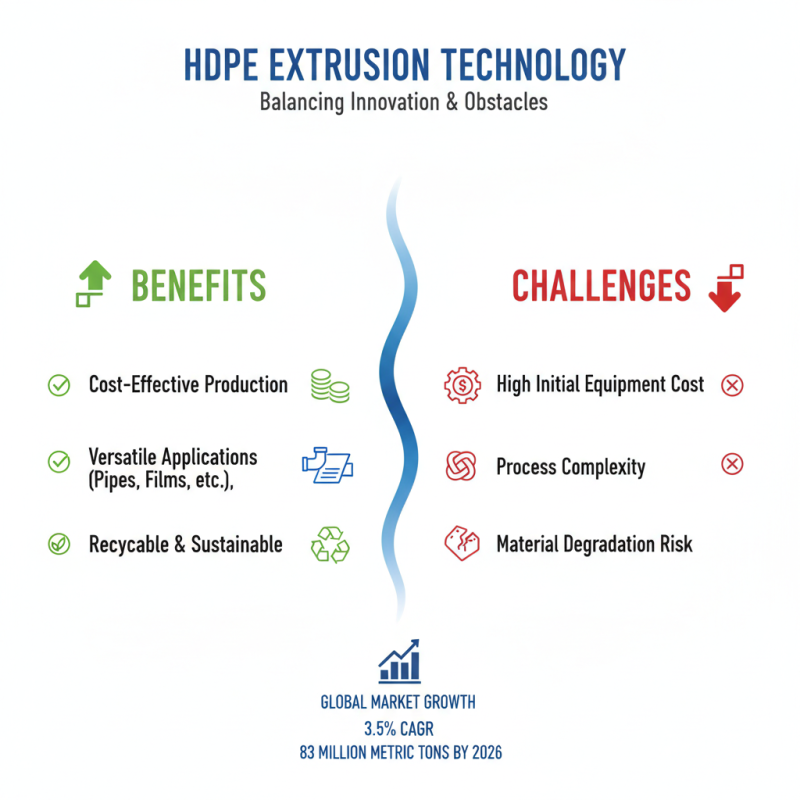
HDPE extrusion technology brings significant benefits but also presents certain challenges. This technique is widely used in manufacturing plastics, particularly for high-density polyethylene products. According to industry research, the global HDPE market is expected to grow at a CAGR of 3.5%, reaching approximately 83 million metric tons by 2026. This growth signals a rising demand for effective extrusion solutions.
One major benefit of HDPE extrusion is its efficiency. The technology enables continuous production, allowing for high output rates. Furthermore, HDPE is known for its durability and resistance to chemicals. However, the process is not without challenges. Variations in material quality can lead to inconsistencies in the final product. Moreover, managing temperature control within the extrusion line is critical. Inaccuracies can result in defects, requiring additional time and resources to rectify.
Sustainability is another aspect to consider. While HDPE is recyclable, the energy consumption during extrusion can be significant. Industry reports indicate that improving energy efficiency in extrusion processes can lead to reduced carbon footprints. However, implementing such improvements often requires investment and expertise that may not be readily available to all manufacturers. Balancing these factors is essential for long-term success in the HDPE extrusion landscape.