2026 How to Choose the Best Automatic Plastic Wrapping Machine?
In the growing sector of packaging machinery, the "Automatic Plastic Wrapping Machine" represents a vital tool for efficiency. Experts emphasize the need for clarity in choosing the right equipment. John Smith, a leading expert in industrial packaging, once stated, "Selecting the right Automatic Plastic Wrapping Machine can transform your packaging line."
As companies embrace automation, the choice of wrapping machines becomes critical. Various models exist, each with unique features tailored to different needs. Understanding these functionalities is essential. Some machines offer high-speed operations, while others focus on precision wrapping for delicate products. The balance between speed and care is paramount.
Selecting an Automatic Plastic Wrapping Machine isn't just about features. It's also about understanding your specific requirements. Many clients overlook compatibility with existing systems, leading to inefficiencies. Reflecting on your needs can save time and resources in the long run. Consider a trial run before finalizing your purchase. This approach can help avoid costly mistakes and ensure optimal operation.
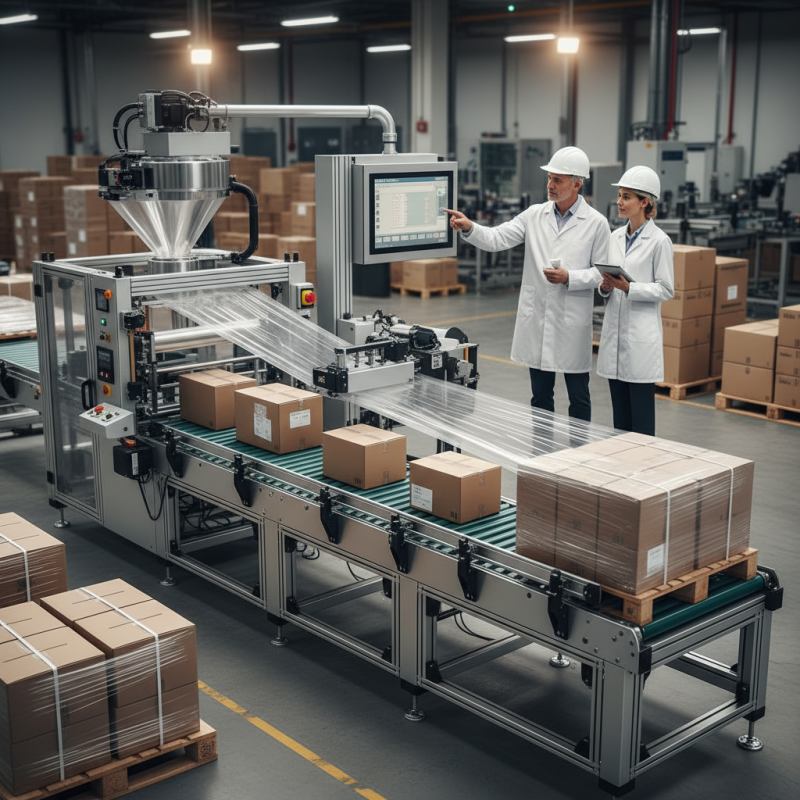
Understanding Automatic Plastic Wrapping Machines
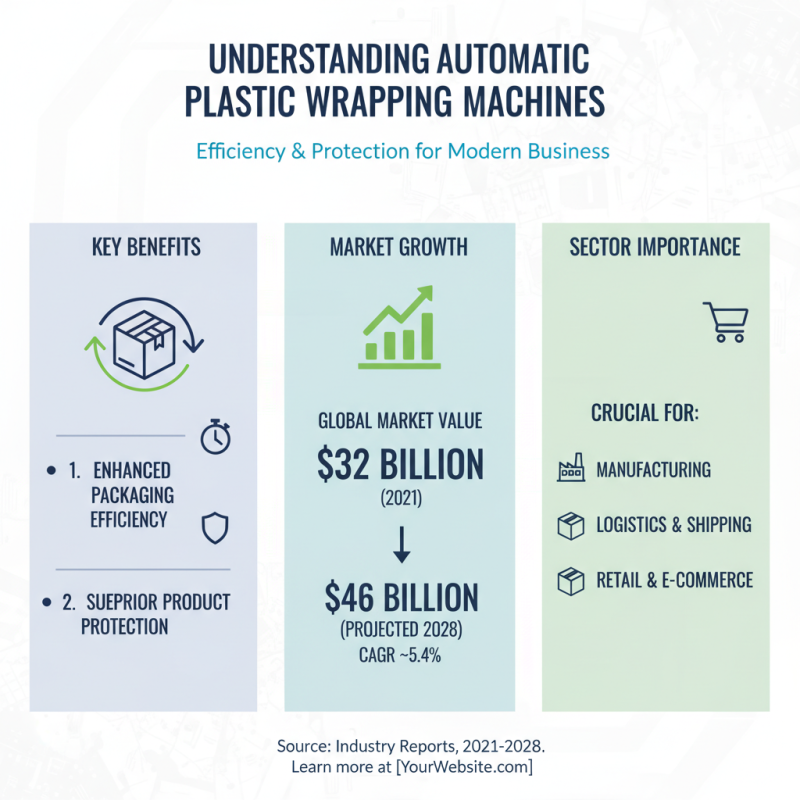
Automatic plastic wrapping machines are essential in various industries. They enhance packaging efficiency and product protection. As demand for efficient packaging rises, understanding these machines becomes crucial for businesses. Industry reports show that the global automatic packaging machine market was valued at approximately $32 billion in 2021. This figure is expected to grow at a compound annual growth rate (CAGR) of around 5.4% through 2028.
Choosing the right automatic plastic wrapping machine involves more than just efficiency. Factors like machine size, speed, and adjustability matter significantly. Many machines can wrap products in seconds, but not all can handle delicate items or irregular shapes. A report by Freedonia Group indicates that companies must assess their unique packaging needs and operational limitations before making a purchase.
Investing in high-quality machinery is vital. However, businesses might rush to acquire new equipment without proper research. This can lead to higher operational costs and inefficiencies. Data reveals that up to 30% of packaging machinery fails to meet performance expectations. Companies should ensure they evaluate their options thoroughly, focusing on long-term reliability and service support instead of immediate cost savings.
Key Features to Consider When Selecting a Wrapping Machine
When selecting an automatic plastic wrapping machine, understanding key features is essential. The machine's speed is a crucial factor. A higher wrapping speed can boost productivity, especially in high-volume operations. Industry reports show that machines with speeds exceeding 30 packages per minute can improve throughput significantly. However, faster machines may also require more maintenance, which can be a downside. Balancing speed with reliability is vital for operational efficiency.
Another critical aspect is the wrapping material compatibility. Machines should handle a variety of plastic films to cater to different products. It is estimated that businesses using versatile machines can reduce material costs by up to 15%. This adaptability allows for cost-effective operations and reduces downtime when switching products.
User interface is also worth considering. A more intuitive control panel can minimize training time for employees. Studies indicate that a user-friendly design can decrease error rates by nearly 20%. Yet, some machines may offer advanced features not suitable for all users. Therefore, simplicity versus complexity must align with your actual operational needs. Always assess whether the additional capabilities provide real value for your business.
Types of Automatic Plastic Wrapping Machines and Their Uses
When selecting an automatic plastic wrapping machine, understanding the different types available is vital. These machines are designed for various applications, making them suitable for businesses of all sizes.
Horizontal and vertical wrappers are two common types. Horizontal wrappers are ideal for packaging products like trays, which require a flat presentation. Vertical machines often handle products like bottles or bags, keeping efficiency in mind.
Shrink wrapping is another popular technique. This method uses heat to tighten the plastic around products. It’s perfect for items that need secure packaging. Then there's
stretch wrapping, typically used for pallet loads. This technique offers stability during transport and storage. Choosing the right type depends on your product shape, size, and the desired level of protection.
Despite their advantages, automatic plastic wrapping machines also present challenges. They require regular maintenance to operate optimally. Neglecting this can lead to downtime. Moreover, understanding the specific needs of your operation can help
prevent costly mistakes in the purchasing process. A thorough evaluation of product requirements is necessary to ensure you make the right choice. Each type has its strengths and weaknesses.
Thoughtful consideration is critical for successful integration into your workflow.
Evaluating the Cost and Return on Investment of Wrapping Machines
When considering an automatic plastic wrapping machine, evaluating costs and return on investment (ROI) is crucial. Industry studies suggest that a quality wrapping machine can improve productivity by up to 30%. This translates to significant labor savings, specifically in high-volume operations. However, upfront costs can vary widely, from a few thousand to over ten thousand dollars.
Understanding the total cost of ownership is essential. Beyond the initial price, maintenance costs and material costs must be included. Research indicates that wrapping film can constitute about 25% of operational costs. Yet, efficient machines can minimize waste, offering long-term savings. It’s wise to assess how much you can save on packaging materials.
A common oversight is underestimating equipment longevity. Many machines last 5-10 years with proper maintenance. This longevity impacts ROI significantly. If a machine saves $500 monthly in labor and $200 in materials, within a year, the investment could pay for itself. Analyzing operational goals and requirements is essential. Collect data from multiple sources to make an informed decision.
Maintenance and Support: Ensuring Longevity of Your Machine
Choosing an automatic plastic wrapping machine is a significant investment.
Maintenance and support play a critical role in ensuring the longevity of your machine.
Regular inspections can catch issues early.
Schedule routine checks to ensure everything is functioning smoothly.
Utilizing proper cleaning techniques is also essential. Residue can build up over time, affecting the machine's performance.
Use soft cloths and appropriate cleaning agents to keep components in good shape.
Familiarize yourself with the operator manual for detailed maintenance instructions.
Support from the machine's manufacturer is crucial.
Technical assistance can help resolve problems quickly.
Consider maintenance contracts that offer regular service checks.
Engage with customer support whenever you encounter difficulties.
This creates a relationship with professionals who can provide insights and solutions.
Reflecting on these practices fosters a culture of care, which truly extends the life of your investment.