2026 How to Choose the Best Robotic Palletisers for Your Business?
Choosing the right Robotic Palletisers for your business is a critical decision. These machines can boost efficiency and reduce labor costs. However, the selection process is not always straightforward.
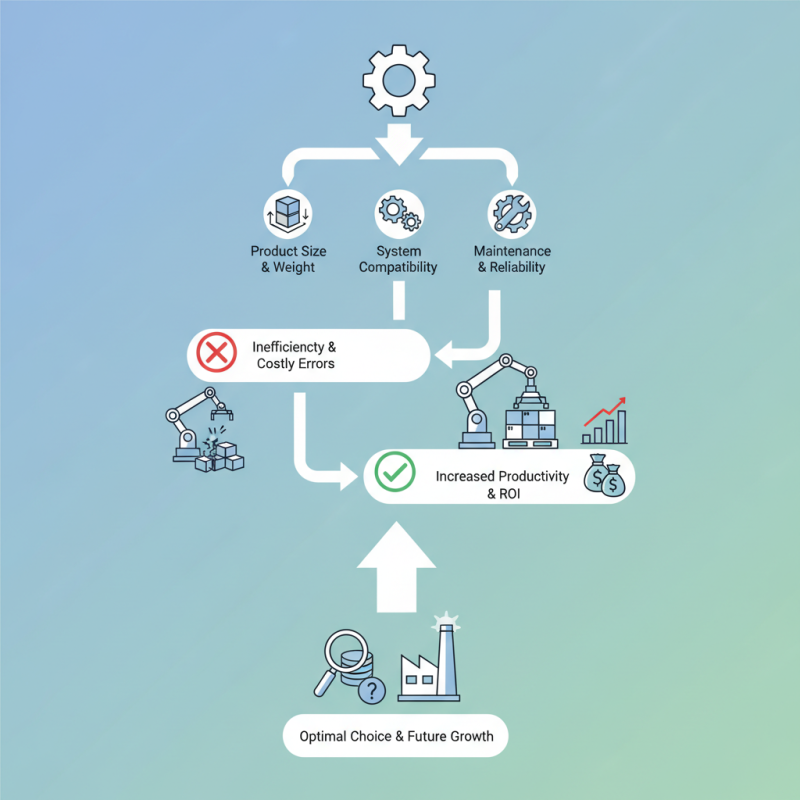
Many businesses overlook essential factors. Not all Robotic Palletisers are created equal. Consider the specific needs of your operation. For example, think about the size and weight of your products. Compatibility with existing systems is also key.
Investing in the wrong technology can be costly. You may face inefficiencies and maintenance issues. Researching brands and models is crucial. Take the time to evaluate options carefully. A solid choice today can lead to increased productivity tomorrow. This journey requires thought and detailed examination.
Understanding Robotic Palletisers: Key Features to Consider
When selecting robotic palletisers, several key features deserve careful consideration. One primary aspect is the payload capacity. You need to match the palletiser's capabilities with your product weights. If mismatched, efficiency can suffer. Always assess your average load size before deciding.
Another critical factor is the speed of operation. Look for models that can handle your production demands. However, higher speeds might mean more maintenance. A balance is necessary. Also, ensure the robotic palletiser can adapt to various product types. Flexibility can prevent future bottlenecks in your workflows.
Tips: Consider the floor space. Limitations in your facility may restrict size and movement. Don’t overlook user-friendliness. Complex interfaces can slow down adoption. Evaluate training time for workers.
Additionally, think about the return on investment. Short-term savings might seem appealing, but durability and longevity are vital. A cheaper machine could lead to frequent breakdowns, costing more in the long run. Remember, the goal is sustainable efficiency, not just immediate gains.
Assessing Your Business Needs for Robotic Automation
Choosing the right robotic palletiser for your business starts with understanding your specific needs. Think about the products you handle. Their size and weight play a crucial role. Heavy boxes require robust systems. Lightweight items can use simpler models. Also, consider the variety of products. Do you need flexibility? Some palletisers handle multiple sizes well.
Beyond product types, assess your production volume. High-volume operations benefit from faster machines. Yet, is your current demand consistent? Seasonal fluctuations can affect investment decisions. You don't want to overcommit. Additionally, evaluate your warehouse layout. Space constraints might limit your options. Is there room for expansion in the future?
Test usability. A complicated system can slow down operations. Observe the interface and maintenance needs. Simplicity in operation can lead to fewer errors. Reflect on training for your staff. Will they need extensive education to use these robots effectively? Look at the long-term benefits versus initial costs. Each choice carries potential risks and rewards.
2026 Robotic Palletiser Market Analysis
This bar chart illustrates the key factors that businesses consider when choosing robotic palletisers. Cost efficiency and speed are paramount concerns, while flexibility, integration, and maintenance are also important factors in the decision-making process for automation.
Evaluating the Technology and Performance of Palletising Systems
When evaluating robotic palletising systems, performance and technology are critical factors. These systems can improve efficiency and reduce labor costs. According to a recent industry report, automated palletising can increase throughput by up to 30%. This means quicker production cycles. However, not all systems meet the specific needs of every business.
Design flexibility is essential. A rigid system may not adapt to various product sizes. Choose a palletiser that can handle multiple formats without extensive manual adjustments. Some businesses reported dissatisfaction due to compatibility issues. This highlights the need for thorough evaluations before purchasing.
**Tip:** Assess your current and future production needs. Anticipate changes in product lines.
Moreover, software integration is vital. Advanced control systems enhance the functionality of palletisers. Many reports suggest that companies unlocking the full potential of automation see productivity increases of more than 20%. Yet, integration challenges can arise. A complex setup may lead to operational downtime.
**Tip:** Schedule regular software updates and training for employees.
Investing in the right technology requires careful thought. Evaluate not just the immediate capabilities but also long-term adaptability. Balancing these aspects can prevent future regrets. Ultimately, the decision should align with your business goals.
2026 How to Choose the Best Robotic Palletisers for Your Business?
| Feature |
Description |
Importance Rating (1-5) |
Example Applications |
| Load Capacity |
Maximum weight the palletiser can handle |
5 |
Canned goods, heavy boxes |
| Speed |
Number of pallets processed per hour |
4 |
Food and beverage industry |
| Flexibility |
Ability to handle different sizes and shapes |
4 |
Electronics, pharmaceuticals |
| Ease of Integration |
Compatibility with existing systems |
3 |
Manufacturing automation |
| Maintenance Requirements |
Frequency and complexity of required maintenance |
5 |
All sectors |
| Safety Features |
Safety systems to protect operators |
5 |
All sectors |
| Cost |
Total investment required including setup |
4 |
All sectors |
Comparing Costs: Budgeting for Robotic Palletisers
When budgeting for robotic palletisers, it's crucial to consider various costs. The initial investment can be substantial. Yet, the long-term benefits may outweigh this cost. Think about maintenance, software updates, and training. These ongoing expenses play a significant role in your overall budget.
Tips: Always include a contingency fund for unexpected repairs. Allocate funds for training staff on new systems. A well-trained team reduces operational hiccups.
Another factor is integration with existing systems. Some robotic palletisers require modifications to your layout. This can add hidden expenses to your budget. Understand what modifications will be needed before committing. Don't overlook these details. They can affect your overall efficiency.
Tips: Get quotes from multiple suppliers. Compare installation costs and timelines. Ensure your budget accounts for downtime during the transition. Being well-prepared can save you headaches later.