2026 How to Choose the Best Tmg Palletizer for Your Needs?
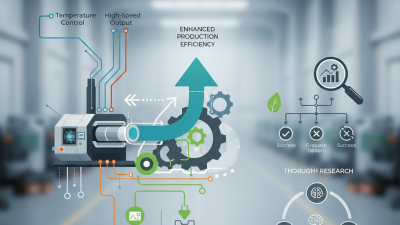
In today's manufacturing landscape, selecting the right Tmg Palletizer can significantly impact operational efficiency. Market research indicates that automated palletizing solutions enhance productivity by up to 25%. Industry expert Dr. Richard Halverson states, "Choosing the right palletizer is not just an investment; it’s a strategic advantage." With varying degrees of complexity, Tmg Palletizers cater to different needs, from small-scale operations to large production lines.
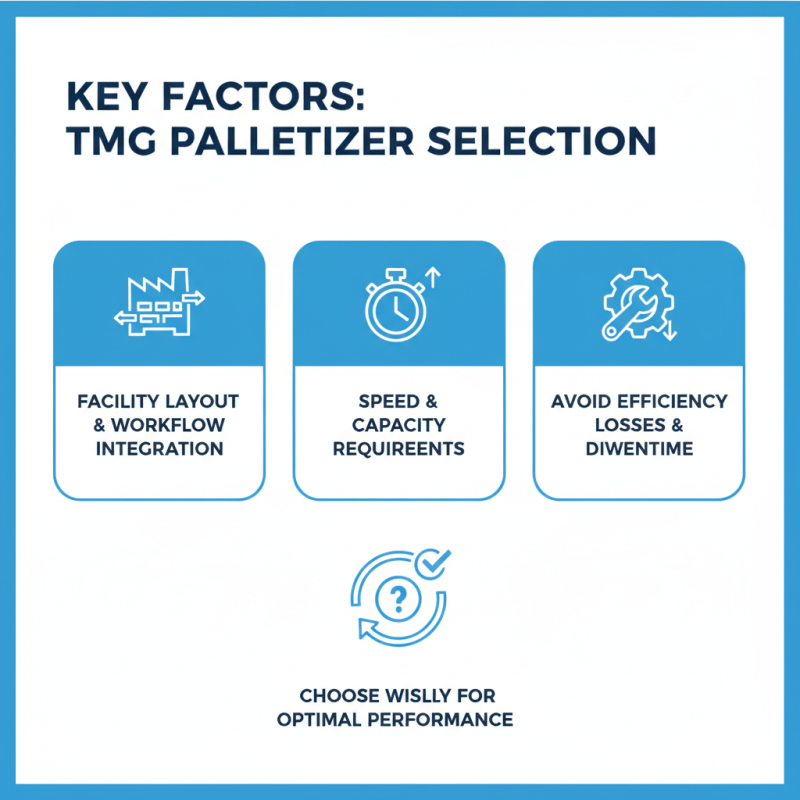
Businesses face constant pressure to adapt and optimize their operations. Many organizations overlook essential factors leading to ineffective palletization. A report by the International Packaging Association highlights that nearly 40% of businesses experience increased downtime due to improper equipment selection. It's vital to analyze your specific requirements and understand the features that truly matter.
Tmg Palletizers offer versatility in design and functionality. However, not every model fits every operation. Factors like payload capacity, speed rates, and safety features play crucial roles. Reflecting on these nuances can help avoid costly mistakes. Ultimately, the right choice can enhance workflow and reduce waste. Careful consideration and expert advice are essential in navigating the complexities of palletizer selection.
Understanding TMG Palletizers: Types and Features
When selecting a TMG palletizer, understanding different types and features is vital. TMG palletizers generally fall into three categories: robotic, conventional, and high-speed. Each type serves unique functions, tailored to various production needs.
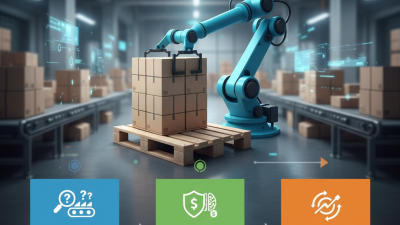
Robotic palletizers excel in flexibility. They adapt easily to diverse products and configurations. Conventional palletizers are robust and suitable for bulk operations. High-speed models cater to industries requiring rapid cycle times, making them ideal for high-demand scenarios.
Features of TMG palletizers significantly influence their efficiency and reliability. For instance, automation technology boosts productivity, with reports indicating a 25% increase in output for fully automated systems compared to manual operations. Load capacity is crucial; choosing a model that handles your maximum product weight is essential. Safety features, like emergency stop systems, are non-negotiable in any setting. Moreover, ease of maintenance can’t be overlooked. Systems that require frequent service can lead to downtime and increased costs.
Investing in the right TMG palletizer involves assessing your specific production needs. While it can be tempting to opt for the highest specs, ensure the features align with actual operational demands. Reflect on the balance between capability and cost. Industry data suggests that companies often struggle after over-purchasing capabilities they do not utilize. The best choice often lies in a thorough evaluation of both current needs and future scalability.
Evaluating Your Production Needs for TMG Palletizers
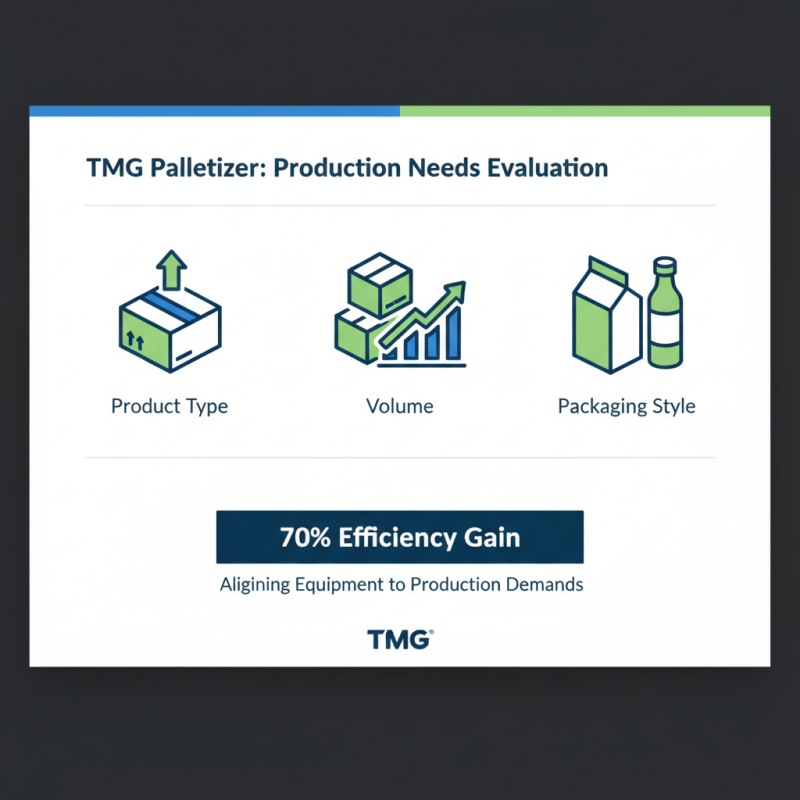
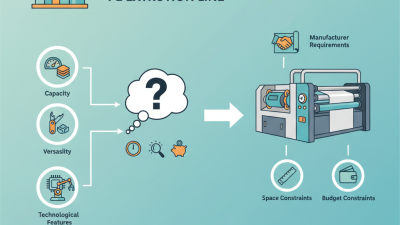
Choosing the right TMG palletizer requires a thorough evaluation of your production needs. Understanding the specifics of your operation is crucial. Factors such as product type, volume, and packaging styles should guide your decision. Recent industry reports suggest that 70% of manufacturers report efficiency gains by properly aligning equipment to production demands.
Consider the complexity of your products. For instance, bulk items may require a different approach than fragile or irregularly shaped goods. According to a 2023 automation study, nearly 65% of plants upgraded their palletizing systems to accommodate changes in product designs. This reflects the need for flexibility in equipment.
Additionally, assess the throughput rates necessary for your facility. If your operation runs at high speed, a robust system is essential. However, if your production is more moderate, a simpler machine may suffice. Beyond efficiency, think about maintenance. A system that is difficult to service can lead to prolonged downtimes, affecting productivity. With equipment choices impacting both short-term and long-term operations, a careful analysis is non-negotiable.
Comparing Costs and ROI of Different TMG Palletizers
When evaluating TMG palletizers, understanding costs and ROI is crucial. Industry reports indicate that automated palletizers can reduce labor costs by 30% to 50%. Businesses often report a payback period of 1.5 to 3 years for these systems, depending on the level of automation. Initial investments can vary greatly, from $100,000 to over $500,000, which makes comparing options essential.
Maintenance costs should also be factored in. Regular upkeep can range from 5% to 10% of the initial cost per year. Some systems may require specialized training, adding to operational expenses. A report from the Packaging Machinery Manufacturers Institute highlights the importance of considering system longevity and potential scalability. This can influence overall ROI.
Different TMG palletizers may offer distinct features, like high-speed operation versus flexibility for various product sizes. Analyzing these features in relation to production demands is vital. Inadequate research can lead to over-investment in unnecessary capabilities. It’s crucial to align the palletizer’s specifications with your actual production needs and future growth plans.
2026 How to Choose the Best Tmg Palletizer for Your Needs? - Comparing Costs and ROI of Different TMG Palletizers
| Model |
Cost ($) |
Throughput (packs/hour) |
ROI (Years) |
Power Consumption (kW) |
| Model A |
15,000 |
500 |
2.5 |
3.5 |
| Model B |
18,000 |
600 |
3.0 |
4.0 |
| Model C |
20,000 |
700 |
4.0 |
5.0 |
| Model D |
22,000 |
800 |
4.5 |
5.5 |
Maintenance and Support: Ensuring Long-Term Performance of TMG Palletizers
Maintaining a TMG palletizer requires attention to detail. Regular inspections can prevent costly breakdowns. Monitoring key components, such as motors and sensors, is vital. A simple check can catch problems before they escalate. Many operators overlook these tasks. Consistent maintenance helps ensure smooth operations.
Support from experienced technicians can enhance the performance of TMG palletizers. Having a dedicated support team ready for troubleshooting is crucial. They can provide insights based on previous issues. A reliable support system helps maintain efficiency. Minimizing downtime is essential in production environments.
Documentation plays a role in performance maintenance. Well-documented procedures make training new staff easier. However, outdated manuals can confuse operators. Regularly updating training materials ensures everyone is informed. Failing to do so can lead to mistakes. Reflecting on past issues helps improve current practices. Continuous improvement should be a goal for every operation.
Performance Metrics of TMG Palletizers