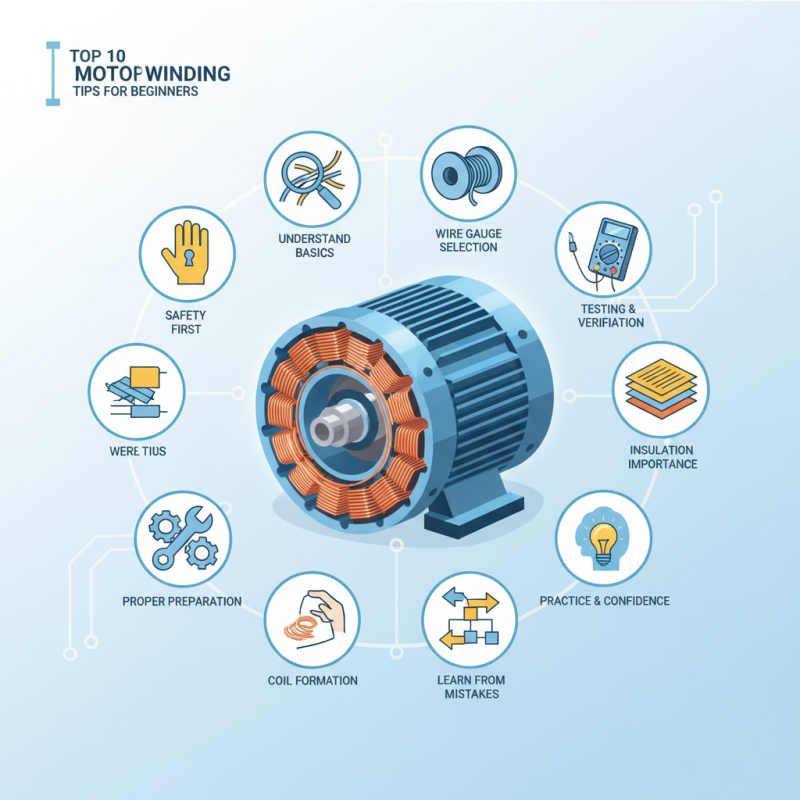
Top 10 Motor Winding Single Phase Tips for Beginners?
Motor Winding Single Phase is a specialized area of electrical engineering that fascinates many. According to John Smith, a renowned expert in the field, “Understanding the basics leads to success in motor winding.” This expertise is crucial for beginners aiming to master the art of motor winding.
Motor winding can seem daunting. Many new entrants feel overwhelmed by complex setups and intricate wiring. However, with the right tips, anyone can navigate this process more easily. It is vital to comprehend concepts like insulation, wire gauge, and coil formation. By focusing on these fundamentals, one can develop practical skills and confidence.
Mistakes are a part of learning. Many beginners overlook essential safety measures, leading to accidents. Skipping proper preparation may result in poor winding quality. Reflection is important; every misstep is a stepping stone toward improvement in Motor Winding Single Phase techniques. Embracing this journey will ensure better outcomes in future projects.
Understanding Single Phase Motor Winding Basics
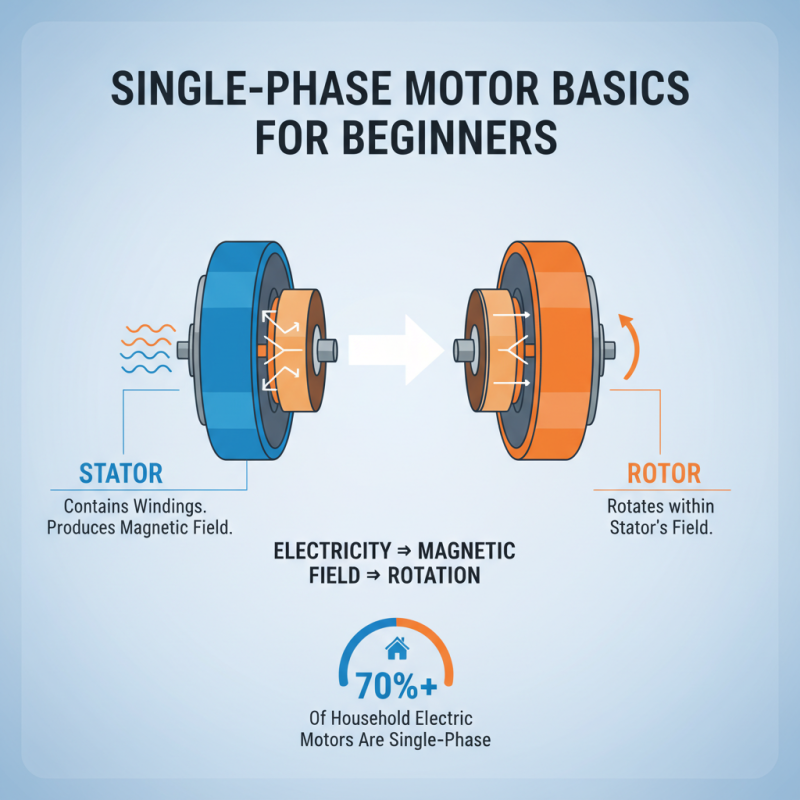
When diving into the world of single-phase motor winding, understanding the basics is crucial for beginners. A single-phase motor typically consists of two main components: the stator and the rotor. The stator contains windings through which electricity flows, producing a magnetic field. According to industry reports, over 70% of electric motors in household applications are single-phase. This data highlights their significance in daily life.
Winding techniques can vary widely, impacting performance. Beginners often struggle with determining the number of turns and the wire gauge. The wrong choice can lead to overheating or inefficiency. For example, using a wire that is too thin may increase resistance and decrease performance. Yet, many novices overlook the importance of these decisions. It’s essential to focus on details like winding direction as well. A simple mistake can lead to a motor that won’t start.
Winding diagrams and manuals are essential tools for beginners. However, they can be overwhelming. Some diagrams are unclear and leave room for interpretation. Understanding each step thoroughly can help avoid costly errors. Beginners often feel lost in technical jargon, which can frustrate the learning process. Engaging with community forums may provide insights but can also lead to misinformation at times. Balancing external advice with one’s own observations is key.
Essential Tools Needed for Motor Winding Projects
When diving into motor winding projects, having the right tools is crucial. You'll need basic tools like wire cutters and strippers. These will help you manage the winding wire effectively. A multimeter is essential for checking continuity and resistance. It ensures that your windings are correctly set up. A good workbench can enhance your efficiency. Clean and organized space makes a difference.
Don’t forget to use a spool holder to keep the wire tangle-free. Innovative solutions can sometimes be improvised from common items around your workshop. For instance, using a simple wooden block can serve as an effective guide for winding. It may seem trivial, but small adjustments can lead to significant improvements in your workflow.
However, beginners might struggle with some techniques. Achieving the right tension while winding can be tricky. Too loose, and you risk shorts; too tight, and you could break the wire. Embrace these challenges as learning experiences. Mistakes are part of the process, and each error will teach you something valuable. With patience and practice, those hurdles will transform into skills.
Step-by-Step Guide to Winding Single Phase Motors
Winding single-phase motors can seem daunting for beginners. Start by gathering all necessary tools. You will need insulated wire, a winding jig, and a multimeter. Ensure that your workspace is clean and organized. Having everything in place helps prevent mistakes.
When winding, pay careful attention to the turns. A common error is losing count, leading to uneven windings. Count your turns aloud or use a counter device. Keep the tension on the wire consistent. Loose wires can cause inefficiencies; too tight can break them. Mistakes like these require redoing, which can be frustrating.
As you work, take regular breaks. Fatigue can lead to oversights. Reflect on each step you completed. If something feels off, don’t hesitate to unwind and start over. Learning through trial and error is part of the journey. Embrace the process; it is just as important as the end result.
Common Mistakes to Avoid in Single Phase Winding
Motor winding for single-phase applications can be tricky for beginners. Many novice winders overlook essential details. One common mistake is improper tension during winding. This can lead to uneven coil formation, affecting overall efficiency. A study by the Electric Power Research Institute states that improper winding can reduce motor efficiency by up to 20%. Maintaining consistent tension is crucial for better performance.
Another frequent error is neglecting insulation between coils. Insufficient insulation can cause short circuits. The Institute of Electrical and Electronics Engineers highlights that about 30% of motor failures stem from insulation failure. Beginners often underestimate the importance of quality materials. Investing in the right insulation methods significantly impacts longevity and reliability.
Documenting each step is another vital aspect that is sometimes ignored. Keeping a record helps in troubleshooting future issues. Beginners might skip this, thinking it unnecessary. However, seasoned winders know that mistakes often happen. A systematic approach results in better learning and improvement. Each winding session should be a chance to reflect and enhance skills. Embracing imperfection can lead to greater success over time.