What is a Palletizing Robot and Its Applications?
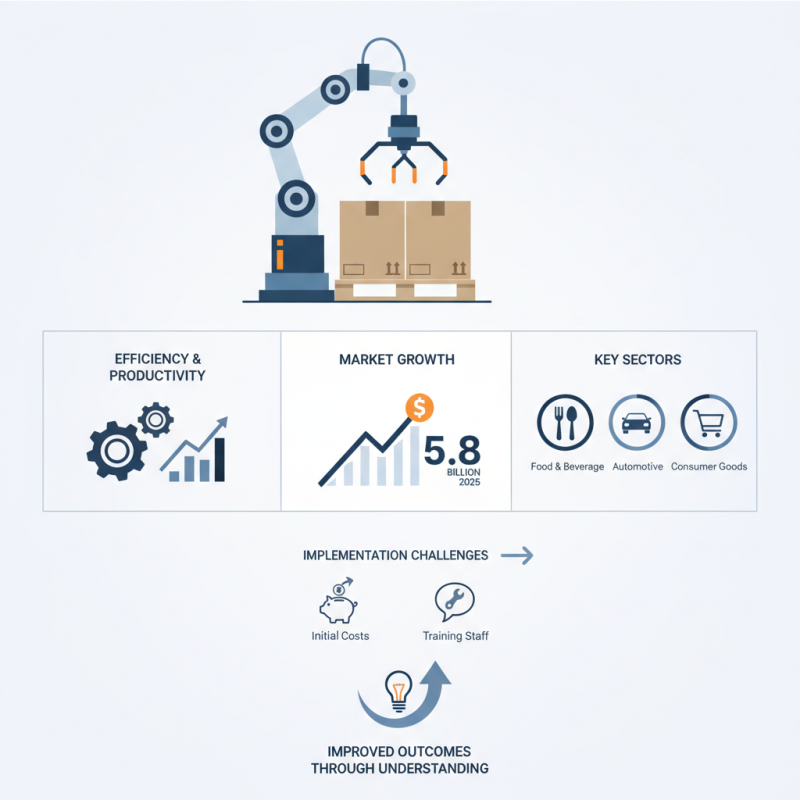
Palletizing robots have transformed industries by enhancing efficiency and productivity. These specialized robots streamline the palletizing process, significantly reducing manual labor. According to a report by MarketsandMarkets, the palletizing robot market is projected to reach $5.8 billion by 2025. This growth reflects the increasing adoption of automation in various sectors.
Experts like John Smith, a leading figure in robotics, emphasize the importance of these systems. He stated, "Palletizing Robot Applications are essential for meeting the demands of today's fast-paced manufacturing environment." His insights highlight the pivotal role of technology in modern production.
The versatility of palletizing robots extends across industries. They are utilized in food and beverage, automotive, and consumer goods, among others. However, there are implementation challenges. Some companies struggle with initial costs and training for staff. Reflecting on these hurdles is crucial for effective integration. Enhancing understanding in the field can lead to improved outcomes.
Definition of a Palletizing Robot and Its Key Features
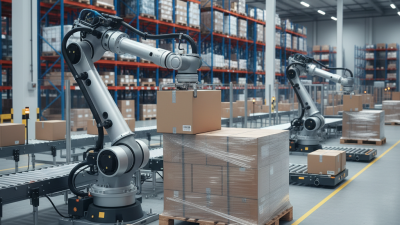
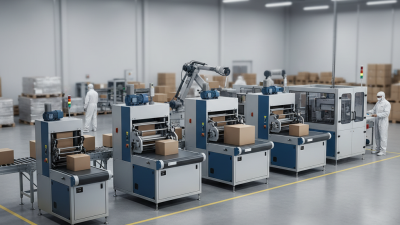
A palletizing robot is an automated machine that handles the stacking of products onto pallets. These robots simplify the packaging process in various industries, like food, beverage, and consumer goods. They improve efficiency and reduce manual labor. A defining feature is their ability to adapt to different types of products and pallet configurations.
By integrating advanced technology, palletizing robots can work swiftly and precisely. Their flexibility allows them to switch between tasks seamlessly. Operators can program them for various stacking patterns and heights. This capability assists in optimizing warehouse space. However, some challenges remain. Occasionally, these systems may misplace items or face mechanical issues. Regular maintenance is crucial to avoid such pitfalls.
Tip: When selecting a palletizing robot, assess the specific needs of your operation. Consider factors like load weight and pallet sizes for proper alignment.
Incorporating these robots can lead to significant cost savings. However, initial setup and training can be a hurdle. It's essential to evaluate the ROI carefully. Automation may not suit every scenario seamlessly. Finding the right balance between human and machine is vital.
Historical Development of Palletizing Robots in Automation
The history of palletizing robots is a fascinating journey through automation. In the early 1960s, the idea emerged in response to labor shortages in manufacturing. By the late 1970s, advancements in robotics spawned the first true palletizing robots. These machines were initially limited in functionality. They could only handle simple stacking tasks. However, they laid the groundwork for future innovations.
By the 1990s, palletizing robots captured a larger market share. Reports indicated a 30% annual growth in this sector. These robots became smarter, using vision systems to improve accuracy. Their ability to handle various types of products enhanced productivity in warehouses. Still, companies faced challenges integrating these systems into existing workflows. Training employees to work with robots proved to be a significant hurdle.
Today, palletizing robots are more versatile and efficient. The market continues to expand, driven by e-commerce demand. Experts predict a growth rate of 11% from 2020 to 2026. Yet, some industries remain hesitant. They worry about the costs and the need for constant monitoring. Palletizing robots have transformed logistics, but the journey is not without its bumps. Further innovation is necessary to address ongoing operational challenges.
Palletizing Robot Applications Over the Years
Common Industries Utilizing Palletizing Robots for Efficiency
Palletizing robots are transforming various industries by increasing efficiency. According to a recent report by the International Federation of Robotics, the adoption of these robots has grown by 9% annually. Many sectors are benefiting from this trend, specifically in the food and beverage industry. These robots handle bags, bottles, and boxes with precision, reducing human error.
The consumer goods sector is another significant user. A study by the Association for Advancing Automation shows that 57% of palletizing operations use automation. This helps optimize space and enhance packing speed. However, upgrading existing systems comes with challenges. Companies often face high initial costs and a learning curve with technology.
In the pharmaceutical industry, palletizing robots help maintain hygiene standards. They reduce human contact with products, minimizing contamination risks. Nevertheless, businesses must regularly assess the performance of these robots. Regular maintenance is crucial for sustained operation. Striking a balance between automation and labor remains a key reflection point for many companies seeking growth.
Types of Palletizing Robots and Their Operational Mechanisms
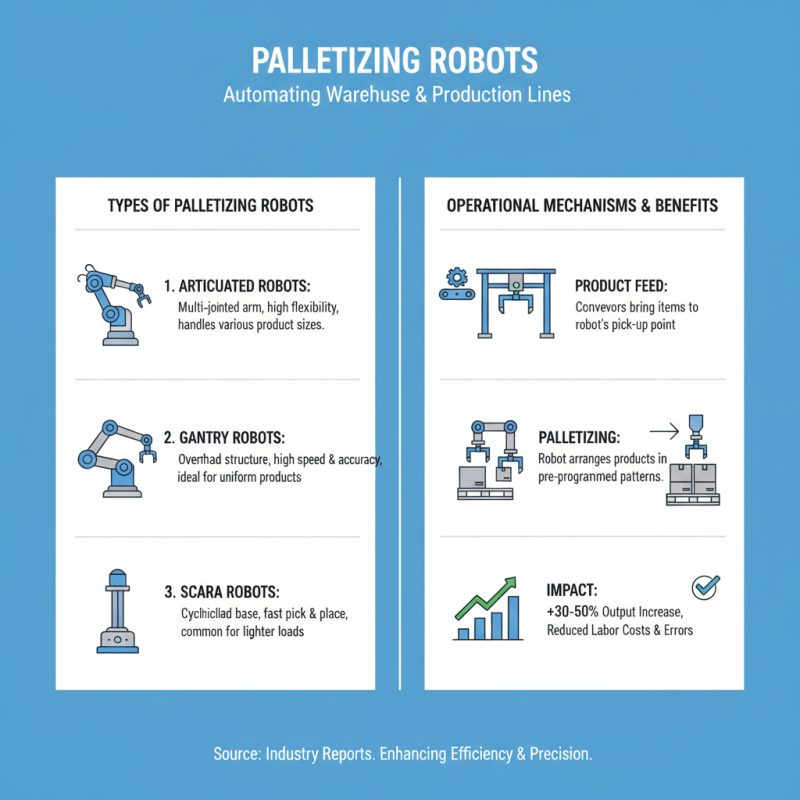
Palletizing robots play a vital role in modern manufacturing. These robots automate the arrangement of products onto pallets. They enhance efficiency and precision in warehouses and production lines. The industry reports indicate that robotic palletizers can increase output by 30% to 50%. This improvement significantly impacts labor costs and reduces operational errors.
There are various types of palletizing robots. Articulated robots are flexible and can handle diverse shapes of products. Delta robots excel at speed. They quickly grasp items with high accuracy, making them ideal for food processing applications. Collaborative robots are growing in popularity. They can work alongside human workers, enhancing productivity while ensuring safety.
Operational mechanisms differ among robotic types. Some use suction grippers, ideal for lightweight items. Others utilize mechanical fingers, suitable for heavier loads. However, challenges remain. Setting up these systems can be complex. Maintenance is required to keep them functioning optimally. Adapting to different product sizes also demands ongoing adjustments. Balancing efficiency and flexibility requires ongoing reflection in industrial settings.
Future Trends and Innovations in Palletizing Robot Technology
Palletizing robots are transforming industries. Their role in material handling is expanding rapidly. The future of this technology promises smarter, more efficient machines. Innovations like AI and machine learning enhance their capabilities. These advanced robots can adapt to various products. They improve productivity and reduce human error.
Tip: When considering a palletizing solution, evaluate your specific needs. Customization can lead to better efficiency. Don't overlook training for your staff. An informed team can maximize the benefits of automation.
As robots become more sophisticated, human oversight remains vital. There can be challenges with integration into existing workflows. Companies must adapt to these changes to succeed. It’s essential to ensure safety protocols are in place. Observing how these robots interact with different packages is crucial.
Tip: Monitor performance regularly. Analyze productivity data to find areas for improvement. This approach can inform future technology investments. Keep an eye on evolving robot capabilities. The trend is toward increased flexibility and intelligence.