How to Repair Motor Winding Single Phase for Optimal Performance?
Repairing Motor Winding Single Phase is crucial for optimal performance. This process ensures your motor runs efficiently and reliably. A well-maintained motor can last longer and operate at peak capacity.
Understanding the components of Motor Winding Single Phase is essential. The windings create a magnetic field, enabling the motor to function. If these windings are damaged, it can lead to significant performance issues. You may notice unusual noises or overheating. Regular checks can prevent these problems.
Improper repairs can worsen the situation. It’s vital to approach this task with care and precision. Consider consulting experts when needed. Reflecting on past repairs can help improve your techniques. This process is not just about fixing. It's about enhancing the motor's overall efficiency.
Understanding Single Phase Motor Winding Basics
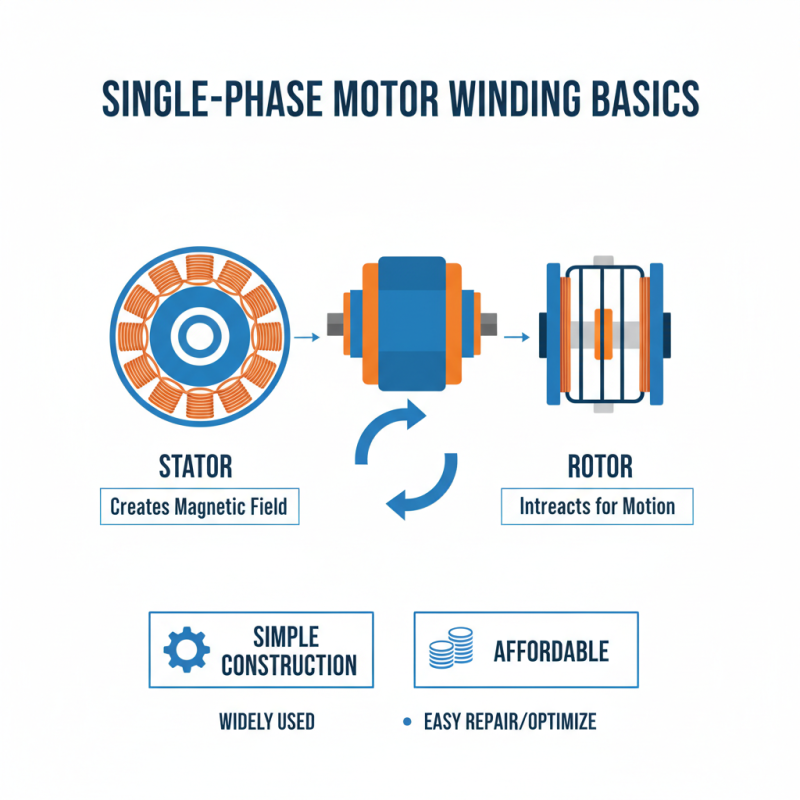
Single phase motors are widely used due to their simple construction and affordability. Understanding the basics of single phase motor winding is crucial for anyone looking to repair or optimize performance. The winding consists of two main components: the stator and the rotor. The stator creates a magnetic field, while the rotor interacts with it to produce motion.
When diagnosing issues, check the winding connections. Loose or corroded terminals can disrupt performance. Inspect the winding insulation as well. Damaged insulation may cause short circuits. This type of fault can lead to overheating, which is detrimental to the motor’s lifespan. Testing the resistance with a multimeter is necessary but can be tricky. Ensure proper technique to get accurate readings.
In repairing single phase windings, it's vital to use the correct wire gauge. A mismatch can lead to efficiency loss. Sometimes, rewinding the motor is required. This demands patience and precision. Not everyone achieves optimum results at first. Each attempt offers learning experiences. Understanding these basics aids in troubleshooting common problems effectively.
Common Issues in Single Phase Motor Windings
Single phase motor windings can face several common issues that affect performance. One frequent problem is overheating. This often occurs due to overloading or inadequate ventilation. When the motor operates in high temperatures, the insulation may degrade. This can lead to short circuits or complete failure. Regular monitoring of temperature can help identify potential damage early.
Another issue is winding shorts. This happens when the wire insulation breaks down. It typically results from excessive heat or moisture exposure. A shorted winding can disrupt the motor's operation. Testing the windings with a multimeter can reveal this. If readings show inconsistencies, rewinding the motor may be necessary.
Additionally, uneven wear can cause vibrations. Excessive vibrations affect the efficiency of the motor. Noticing unusual noise can be a red flag. Inspecting the mounting and alignment is vital for proper functionality. Addressing these issues promptly can save time and money in the long run.
Tools and Materials Required for Motor Winding Repair
Repairing motor windings can seem daunting. However, having the right tools and materials makes the task much easier. You will need a soldering iron, suitable wire, and a multimeter. The soldering iron helps to connect wires securely. Choose wire that matches the original winding gauge. The multimeter ensures that the insulation is intact and identifies any short circuits.
You might also need heat shrink tubing and a wire cutter. The tubing protects your connections and provides insulation. A wire cutter allows you to trim the windings to the correct length. Remember, not all tools are perfect. Sometimes, the soldering iron may not heat evenly. This could lead to weak joints. Regularly checking your tools can save you time and frustration.
Don't forget safety gear, like gloves and goggles. Working with electrical components can be risky. Small errors can lead to larger issues, so stay focused. Take your time to check every detail. With practice, you will improve your skills and confidence. Repairing motor windings can be fulfilling and enhance performance when done correctly.
Motor Winding Repair Analysis
This bar chart illustrates the repair status of various parameters in single-phase motor winding. The values represent the percentage of optimal condition for insulation, winding resistance, coil temperature, and vibration levels, highlighting areas that may need attention during maintenance.
Step-by-Step Repair Process for Single Phase Motor Windings
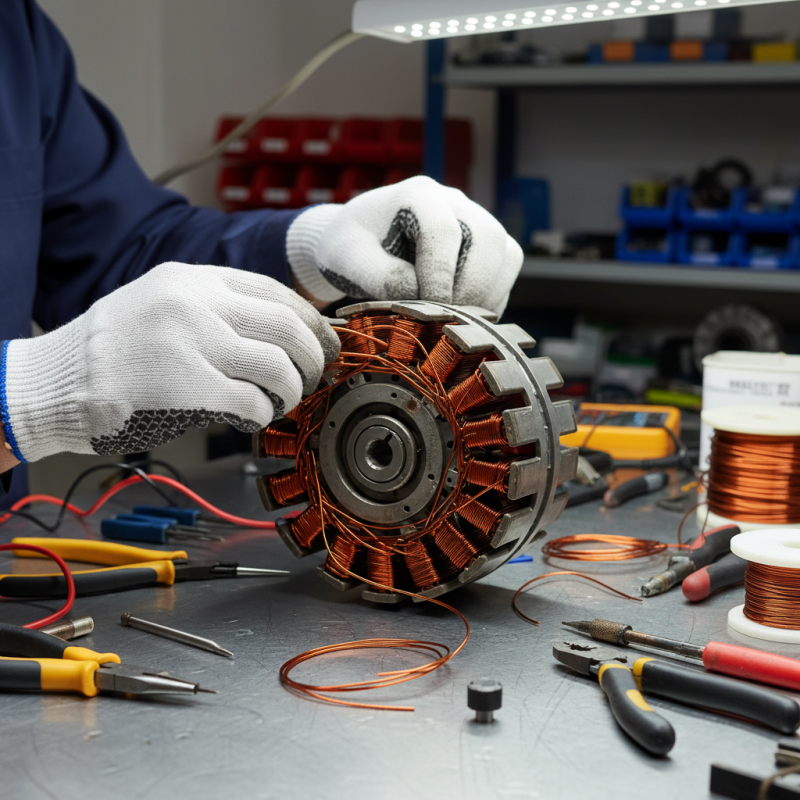
Repairing single-phase motor windings requires careful attention to detail. Start by disconnecting power to the motor completely. Inspect the winding for visible damage or shorts. Look for burned areas on the insulation. Use a multimeter to test the resistance of the windings. A reading that is too low or zero indicates a problem.
Once identified, remove the damaged winding. Take note of the winding configuration as you go. Measure the length and gauge of the wire. Replace it with an equivalent wire that meets specifications. When rewinding, follow the original winding pattern. This is crucial for the motor's performance.
After winding, secure the insulation properly. Ensure no bare wires are exposed. It's easy to overlook this step, leading to future failures. Test the winding again to confirm it's functioning correctly. If it's not, there may be deeper issues to resolve. Pay attention to every small detail to achieve optimal motor performance. Every mistake can lead to costly repairs later on.
Testing and Optimizing Performance After Repair
After repairing motor winding in a single-phase motor, testing its performance is crucial. Start by reconnecting the motor and ensuring all connections are secure. Check the voltage at the terminals; it should meet the specifications. A multimeter can help assess this accurately.
Next, listen for unusual sounds during operation. A humming noise might indicate excessive load or misalignment. Vibration should also be monitored. Excessive vibration can signal internal problems. If the motor runs too hot, it may be a sign of improper winding or friction.
Testing the motor under load conditions is essential. Observe how it behaves during normal operations. Take note if it struggles or shuts off unexpectedly. Optimizing performance may involve fine-tuning the shaft alignment or adjusting capacitors. Document each test result for future reference. Reflect on any inconsistencies found during your tests. These can guide further improvements and increase the motor’s lifespan.