What is Rewinding Line and How Does it Work?
A Rewinding Line is a vital component in manufacturing. It efficiently rewinds various materials like film, paper, and textiles. Understanding how it operates can increase productivity and reduce waste.
The process involves feeding raw material into the line, which then rewinds it onto a spool. This can seem straightforward, but several factors affect performance. Tension management is key; too much tension risks damaging the material. Too little tension can lead to loose rolls that unravel.
Additionally, maintenance is crucial for optimal operation. Regular checks help identify wear and tear before they cause issues. Relying solely on automated systems without oversight may lead to errors. Therefore, a skilled operator remains essential for maximizing the benefits of a Rewinding Line. This balance of automation and human expertise ultimately defines the line's efficiency and reliability.
What is a Rewinding Line?
A rewinding line is an essential piece of equipment in the manufacturing and packaging sectors. It is primarily used for the conversion and precise reorganization of materials, such as films, foils, and textiles. This line helps produce uniform rolls by winding the material onto cores or spools, ensuring consistent quality. Research indicates that the global rewinding equipment market is expected to grow by 4.5% annually, reflecting its importance in modern manufacturing processes.
The operation of a rewinding line involves several key components: unwind, rewinder, and control systems. The unwind section feeds the raw material into the system. The rewinder transforms this material by spooling it onto a new core. Control systems monitor the tension and speed. Industry data shows that maintaining optimal tension is critical. If not controlled, it leads to defects and material waste. A study from the Packaging Machinery Manufacturers Institute highlights that improper tension can increase the reject rate by up to 12%.
While rewinding lines enhance efficiency, there are challenges. Operators must be trained to handle complex setups, and maintenance can be demanding. Minor misalignments can cause significant production downtime. Inconsistent material quality can also impact performance. Addressing these issues requires ongoing training and investment in technology. Therefore, the rewinding line, while vital, is not without its hurdles in operational execution.
Key Components of a Rewinding Line
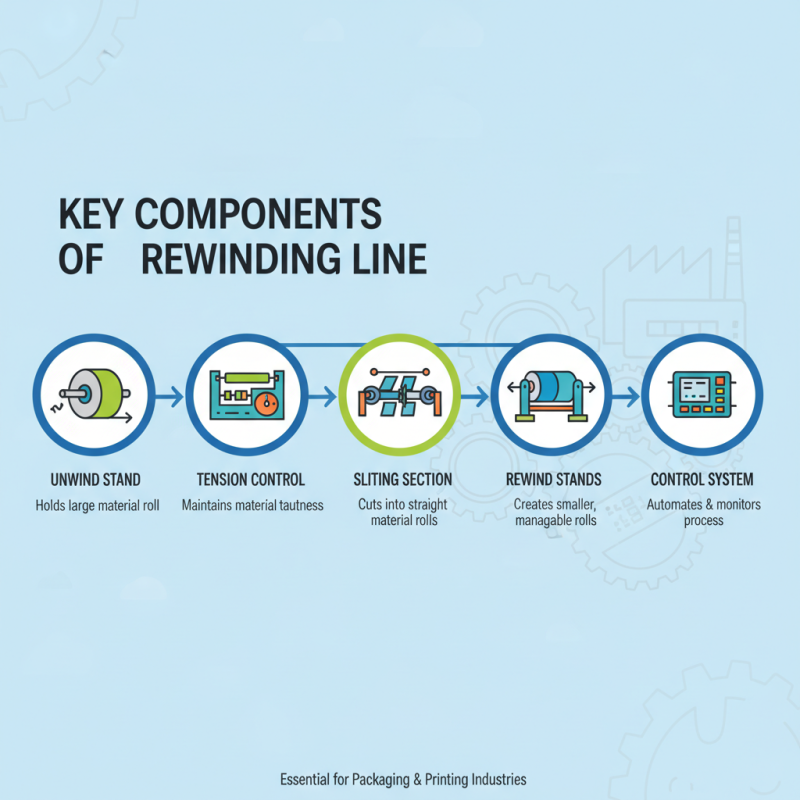
Rewinding lines are essential in manufacturing processes. These lines are used to take large rolls of material and convert them into smaller, manageable rolls. This is crucial for industries like packaging and printing. To understand how they work, we need to look at their key components.
A rewinding line typically includes several crucial parts. The unwind station feeds the larger roll. It must maintain tension to prevent material damage. Next is the rewinding station, where material is rolled onto smaller cores. The quality of the rewinding process affects the final product significantly. Sensors monitor tension and ensure a smooth winding process.
Additionally, a control system coordinates the entire operation. It adjusts speed and monitors material flow. Without this, the line could struggle with inconsistencies. Maintenance is another area often overlooked. A well-maintained rewinding line runs efficiently and extends equipment life. Yet, many facilities often ignore routine checks, leading to unexpected downtimes. Understanding these components can help improve the efficiency of a rewinding line.
How Does a Rewinding Line Operate?
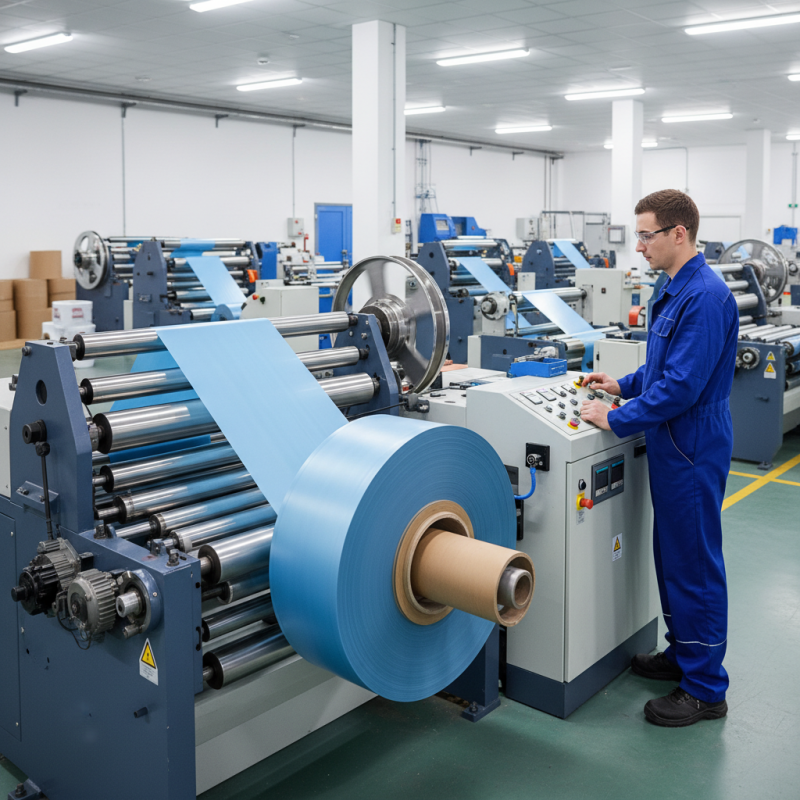
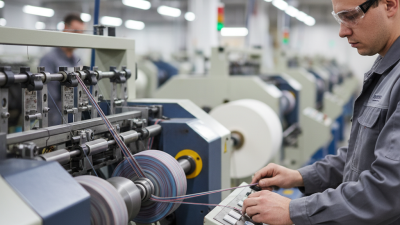
A rewinding line is essential in many manufacturing processes. It is designed to take large rolls of material and convert them into smaller, manageable sizes. The operation begins with loading the parent roll onto the unwinding station. As the roll turns, the material feeds into various guiding systems to ensure even tension throughout the process.
The rewinding unit then takes over. It collects the material, rewinding it onto smaller cores. Sensors monitor the tension and speed, making adjustments as needed. This ensures that the final roll is uniform and meets quality standards. Additionally, the line may include features for cutting and trimming the edges for a clean finish.
However, challenges can arise. Sometimes the material may jam or tear during the process. Operators must be alert and skilled to handle such issues quickly. Maintaining consistent quality requires regular checks, adjustments, and sometimes, re-evaluation of techniques. Fine-tuning the operation can lead to better efficiency and output. Each adjustment can enhance the overall performance of the rewinding line, ultimately contributing to a smoother workflow.
Applications of Rewinding Lines in Various Industries
Rewinding lines play a crucial role in various industries, particularly in manufacturing and packaging. These systems help manage and convert raw materials into more manageable forms. In the textile industry, for instance, rewinding lines are essential for processing rolls of fabric. They allow producers to transform large rolls into smaller, sellable units. The precision in this process affects production goals. If the rewinding isn't done correctly, it can lead to waste and inefficiencies.
In the electrical sector, rewinding lines are used to handle insulation materials and wires. They effectively process these materials into suitable sizes for use in final products. The accuracy of winding affects product functionality. Errors in this step can result in subpar electrical performance or even product recalls. Therefore, expertise in operation and maintenance is necessary to ensure reliability.
While the applications are diverse, challenges remain. For instance, selecting the right rewinding technology can be complex. Factors such as material types and desired end-use must be considered. There might be a learning curve for operators as well. Training becomes essential but can be time-consuming and costly. Each industry has unique demands that require careful attention.
Applications of Rewinding Lines in Various Industries
This chart illustrates the percentage use of rewinding lines across different industries, showcasing its versatility in manufacturing and production processes.
Benefits of Using a Rewinding Line in Production
A rewinding line is essential in various production environments. It streamlines processes for industries like film, labels, and textiles. Data from the Industry Association indicates that companies using rewinding lines can improve their production efficiency by approximately 30%. This efficiency gain translates directly to reduced operational costs.
One key benefit of a rewinding line is its ability to handle complex materials. For instance, it can manage multi-layer films and diverse substrates without compromising quality. According to industry reports, 65% of manufacturers noted enhanced precision during rewinding processes. However, challenges persist. Some operators struggle with maintaining consistent tension, which can lead to material waste.
Furthermore, the automation involved in rewinding lines minimizes human error. This shift not only boosts productivity but also enhances safety. Nevertheless, it requires skilled personnel to oversee operations effectively. An estimated 40% of facilities report a skills gap in this area. While rewinding lines present clear benefits, businesses must remain vigilant about training and process optimization to fully leverage their potential.