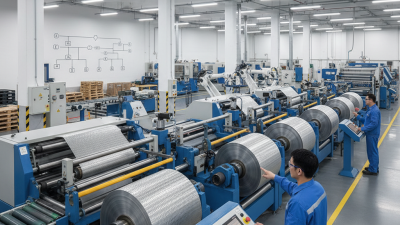
What is Robotic Case Palletizing and How Does It Work?
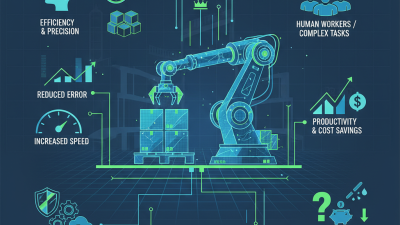
Robotic Case Palletizing is transforming how industries manage packaging. This innovative technology automates the process of stacking products on pallets. It uses advanced robots to perform tasks once done by human workers.
Efficiency is the name of the game here. These robots can operate continuously, handling heavy cases without tiring. They can precisely arrange items, minimizing product damage. However, not every setup is perfect. Some products require special handling that robots may struggle with.
As companies strive for productivity, robotic systems are becoming essential. Yet, investing in such technology involves significant costs. Businesses must weigh the benefits against the challenges. Adopting Robotic Case Palletizing can streamline operations, but careful planning is crucial to avoid pitfalls.
What is Robotic Case Palletizing?
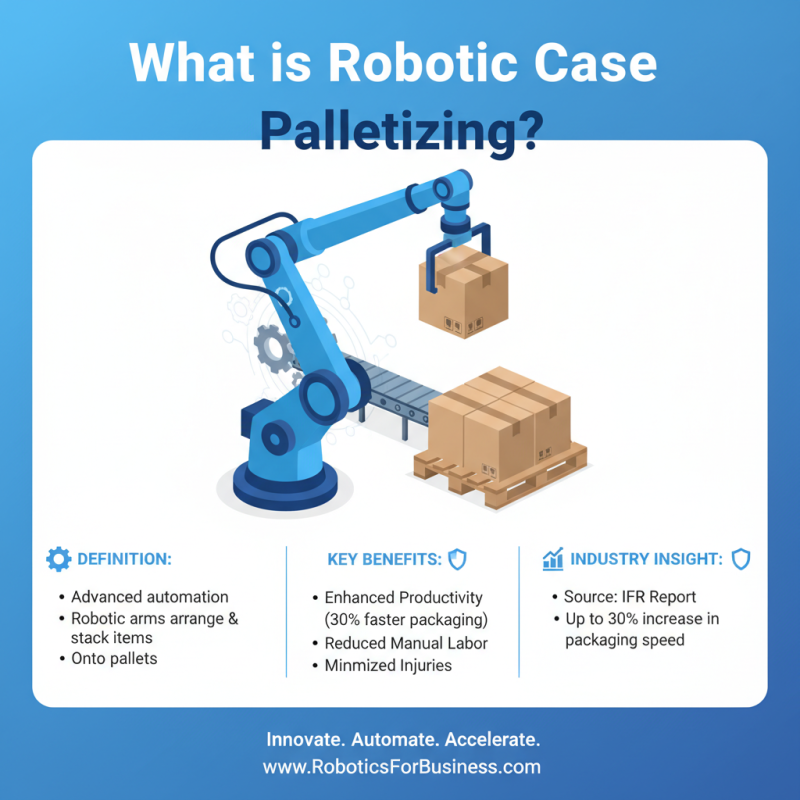
Robotic case palletizing is an advanced automation technology used in warehouses and production lines. This system employs robotic arms to arrange and stack items efficiently onto pallets. The process significantly enhances productivity by reducing manual labor and minimizing the risk of workplace injuries. According to a recent industry report by the International Federation of Robotics, the adoption of robotic palletizing systems has resulted in up to a 30% increase in packaging speed.
One key benefit of robotic case palletizing is its flexibility. These systems can easily adjust to different product sizes and shapes. A study from the Manufacturing Automation Association indicates that companies using robotic palletizers have reported a 20% reduction in operational costs. However, implementing such technology can be challenging. Integration with existing systems may require significant investment and time.
The accuracy of robotic systems is also a focal point. While robots can stack cases with precision, occasional misalignment can lead to product damage. Some facilities may experience hiccups during peak production times, as robots may struggle with rapid fluctuations in product demand. Regular maintenance and updates are essential to optimize performance. As the technology evolves, addressing these imperfections remains critical for maximizing efficiency.
Key Components of a Robotic Palletizing System
Robotic case palletizing is becoming essential in modern manufacturing. It enhances efficiency and accuracy while reducing labor costs. A standard robotic palletizing system includes several key components that work together seamlessly.
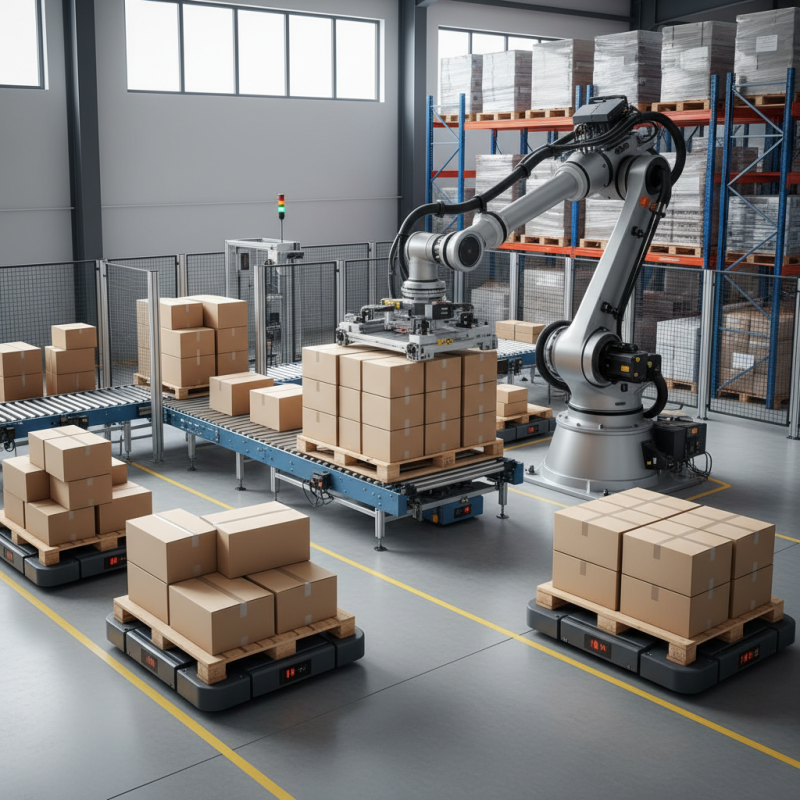
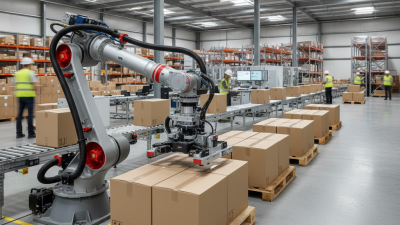
One of the primary components is the robotic arm. Equipped with specialized end-of-arm tooling, the arm picks cases from a conveyor and stacks them on pallets. The choice of tooling depends on the case size and shape. Additionally, the vision system analyzes the placement of cases to ensure precise stacking. This system uses cameras to capture images and make real-time adjustments. According to a recent report, 70% of manufacturers report increased output since implementing robotic palletizing.
Control software is another crucial element. It coordinates system operations, monitors performance, and tracks inventory levels. Effective software can reduce errors by up to 30%. Automation often requires training. Only skilled operators can maximize system potential.
Tips: Regular maintenance is vital. Deteriorated components can affect performance. Schedule regular inspections to avoid costly downtimes. Evaluate your needs continuously. A system that served well yesterday may require an upgrade today.
Flexibility is also essential. As products and packaging evolve, the robotic system might need adjustments. Customers expect faster delivery and varied packaging. Balancing these demands can be challenging but necessary. Investing in a modular system can provide adaptability as needs change.
How Robotic Case Palletizing Works: A Step-by-Step Process
Robotic case palletizing is a pivotal process in modern warehouses. It involves using robots to stack boxes onto pallets efficiently. The operation starts with conveyors transporting the cases to the robotic cells. Sensors guide the robot, ensuring it picks up the products securely.
Once a box arrives, the robot employs suction or grippers to lift it. Precision is key here. The robot moves the box into position. At times, the robot struggles with imperfectly stacked boxes. Each box must align correctly, which can be a trial-and-error process.
As the robot places items onto the pallet, it aims for stability. Load distribution matters here. An unstable stack can lead to accidents during transport. The final arrangement is often a mix of artistic and functional decisions. Ultimately, robotic palletizing saves time but also exposes the need for constant adjustments and reflections on efficiency.
Advantages of Robotic Case Palletizing Over Traditional Methods
Robotic case palletizing is changing the landscape of warehouse operations. This technology automates the stacking of products onto pallets, offering enhanced speed and efficiency. Industry reports indicate that robotic systems can increase palletizing productivity by over 30%. This is a game-changer for many businesses.
One major advantage of robotic case palletizing is precision. Robots can consistently place products in perfect alignment, reducing damage during transport. In contrast, traditional methods may lead to misalignments and wasted materials. Additionally, robotic systems can operate continuously without fatigue. This capability significantly minimizes downtime compared to human labor.
Tip: Regular maintenance of robotic systems can further enhance their performance and longevity. Ensuring that all mechanical parts are functioning properly can prevent unexpected breakdowns.
Cost savings also play a pivotal role. Automated systems often lower labor costs and improve reliability. Some companies report saving up to 20% on labor expenses. Nonetheless, implementation costs can be high, and not all businesses see immediate ROI.
Tip: Consider a phased approach to implementation. Testing with a small section of your operation can provide valuable insights before a full rollout.
What is Robotic Case Palletizing and How Does It Work? - Advantages of Robotic Case Palletizing Over Traditional Methods
| Feature |
Robotic Case Palletizing |
Traditional Palletizing |
| Speed |
High speed operation with cycle times as low as 30 seconds per pallet |
Slower operation, typically taking 45-90 seconds per pallet |
| Flexibility |
Easily reprogrammed for different product sizes and layouts |
Limited flexibility, often requiring significant downtime to change setups |
| Labor Costs |
Reduced labor costs due to automation |
Higher labor costs due to manual handling and operation |
| Accuracy |
High precision in stacking, minimizing product damage |
Potential for human error leading to inconsistent stacking |
| Safety |
Reduces worker injury risks by handling heavy items |
Higher risk of employee injuries due to manual handling |
| Initial Cost |
Higher initial investment but lower total cost over time |
Lower initial cost but higher long-term operational costs |
| Maintenance |
Requires regular maintenance; predictive maintenance can minimize downtime |
Often requires frequent manual adjustments and maintenance |
Applications of Robotic Case Palletizing in Various Industries
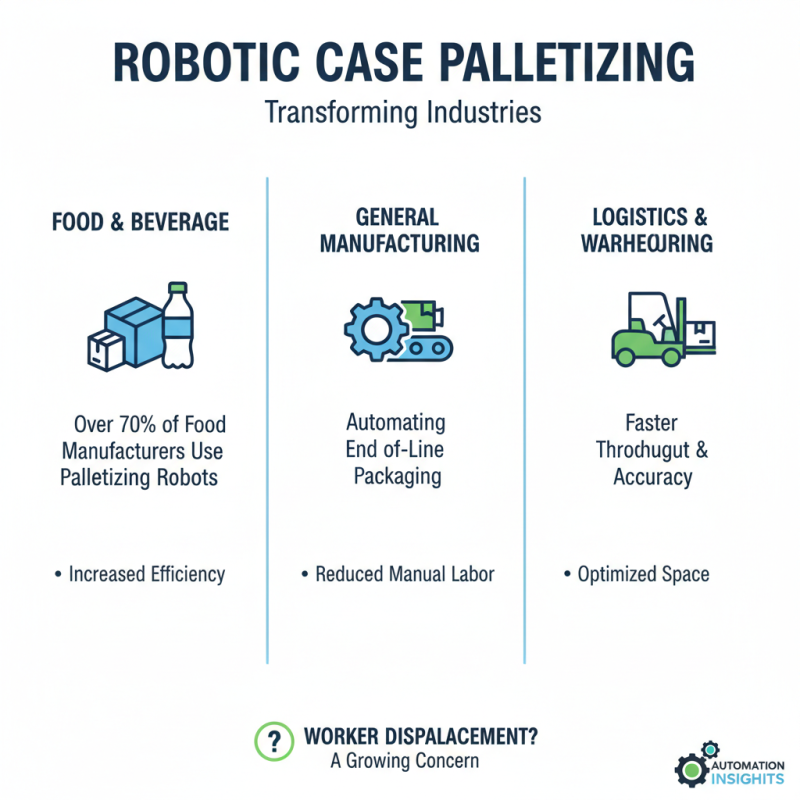
Robotic case palletizing has transformed many industries. In the food and beverage sector, for example, automation plays a crucial role. According to a report by the Association for Packaging and Processing Technologies, more than 70% of food manufacturers use palletizing robots to streamline production. This has increased efficiency but raised questions about worker displacement.
In the consumer goods industry, robotic palletizing systems handle diverse products. They adapt quickly to different case sizes and shapes, making them essential for flexibility. The International Federation of Robotics noted a 20% growth in the adoption of these systems in this sector. Companies report significant savings in labor costs. However, reliance on robots can create bottlenecks during maintenance.
In the pharmaceutical industry, precision is vital. Robotic systems ensure accurate stacking, reducing the risk of contamination. Studies show that automated palletizing reduces human error by nearly 30%. Despite benefits, companies must balance automation and human oversight. Flexibility in robot programming remains a challenge. Overall, as industries evolve, robotic case palletizing is both promising and complex.