Top 5 Automated Palletizing Equipment Options for Businesses?
In today's fast-paced manufacturing landscape, businesses are increasingly turning to Automated Palletizing Equipment. Notably, industry expert Jane Doe, a leading authority in automation technology, states, "Investing in automated palletizing is no longer optional; it's essential for efficiency." This sentiment resonates deeply within the sector, as companies seek solutions to enhance productivity and streamline operations.
Automated Palletizing Equipment not only reduces labor costs but also minimizes human error. The precision these systems offer can transform an entire production line. For many, the transition to automation marks a significant leap forward. However, it can be daunting to evaluate the various options available. With so many technologies emerging, distinguishing between them can be challenging. Companies must carefully assess their specific needs.
The right equipment can mean improved safety and better use of space. Yet, reducing reliance on manual labor can raise concerns about job displacement. Striking a balance between automation benefits and workforce impact requires thoughtful consideration. Exploring the top options available can pave the way for smart business decisions. In this piece, we delve into the leading choices in Automated Palletizing Equipment, helping you navigate this complex landscape.
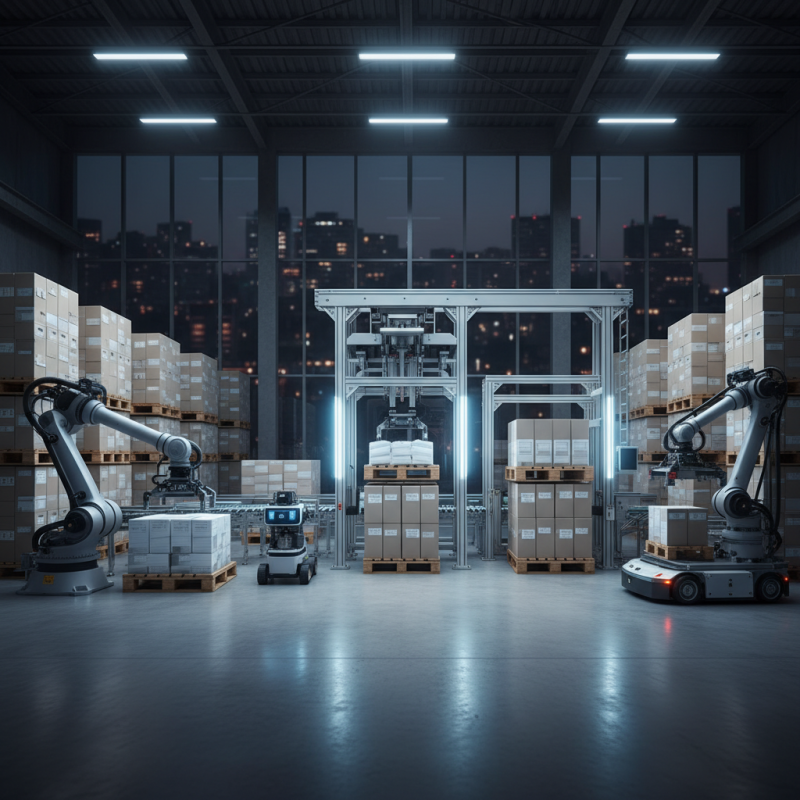
Top Trends in Automated Palletizing Equipment for 2023
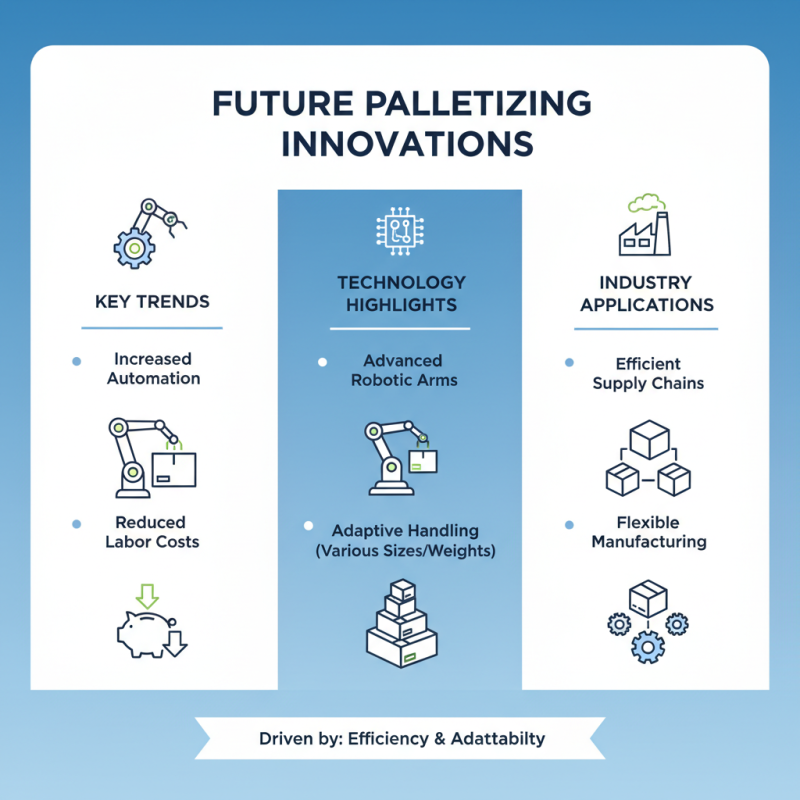
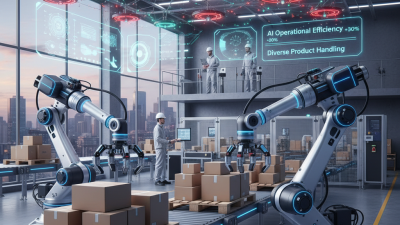
Automated palletizing equipment is evolving rapidly. In 2023, businesses are focusing on efficiency, accuracy, and sustainability. Companies are increasingly adopting robotic systems. These systems can complete complex tasks with minimal human intervention. This reduces labor costs while enhancing productivity.
Trends indicate a shift towards smart technology. Using IoT, machines can communicate and optimize operations in real time. This connectivity allows for better inventory management. Additionally, machine learning is being integrated. It helps detect patterns and improve performance, making systems more reliable.
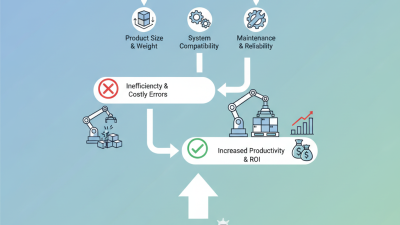
**Tips:** Consider the flexibility of the system. Machines should adapt to various products and packaging types. It's essential to evaluate the user interface as well. A user-friendly design minimizes training times and errors. Regular maintenance is critical. It ensures long life and peak performance for your equipment.
Top 5 Automated Palletizing Equipment Options for Businesses - Top Trends in Automated Palletizing Equipment for 2023
| Equipment Type |
Key Features |
Load Capacity (kg) |
Speed (boxes/hour) |
Technology Used |
| Robotic Arm Palletizer |
Flexible configuration, Handles different product types |
500 |
1200 |
Artificial Intelligence, Vision Systems |
| Articulated Robotic Palletizer |
High precision, Adaptable end-of-arm tooling |
800 |
1000 |
Robotics, Programming Software |
| Layer Palletizer |
Layer-by-layer stacking, High efficiency |
1200 |
800 |
Automated Control Systems |
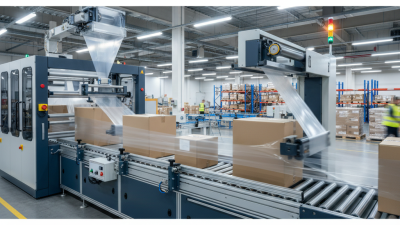
| Stretch Wrapper Integrated Palletizer |
Combines wrapping and palletizing, Space-saving design |
600 |
700 |
Mechanical Systems |
| Conveyorized Palletizer |
Automated feeding, Robust design |
1000 |
900 |
Pneumatic and Electric Components |
Evaluating Cost-Effectiveness of Automated Palletizing Solutions
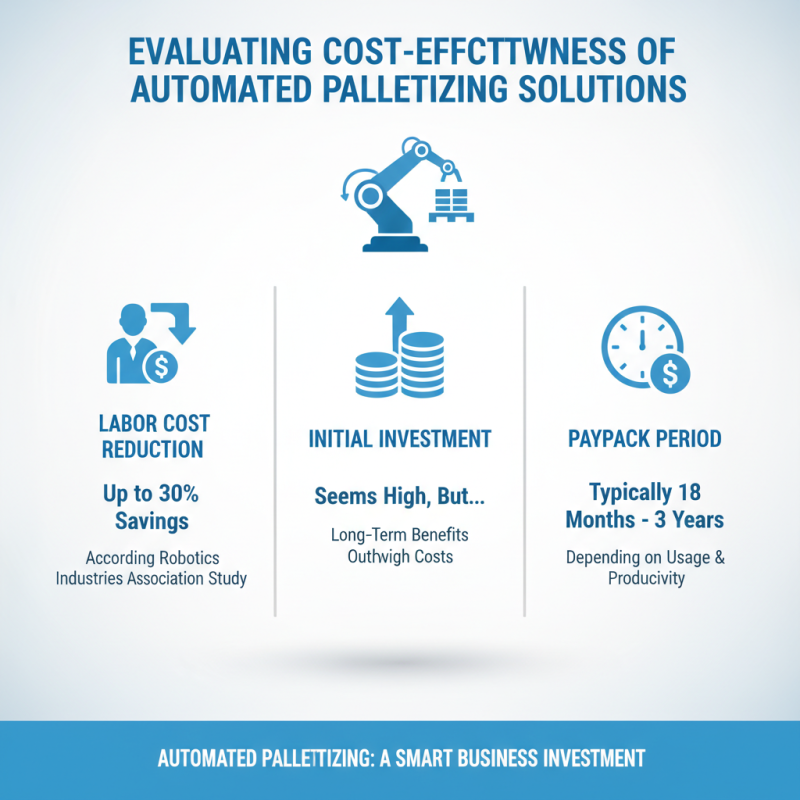
Automated palletizing systems offer significant cost savings over time. According to a study by the Robotics Industries Association, businesses can reduce labor costs by up to 30% by implementing these systems. The initial investment may seem high, but the long-term benefits often outweigh these costs. Companies typically recoup their investment within 18 months to 3 years, depending on usage and productivity levels.
Evaluating these solutions involves assessing their impact on operational efficiency. Automated systems can handle tasks like sorting and stacking at a consistent pace. Reports indicate that productivity can increase by as much as 50% when using the right automated equipment. However, potential hidden costs arise from maintenance and training employees on advanced technology. Small and medium-sized businesses should weigh these factors carefully.
Moreover, automation isn't a one-size-fits-all solution. Some facilities may find that manual processes remain more efficient for certain operations. This is particularly true for lower-volume applications. Balancing automation with skilled labor is crucial. Reflecting on the specific needs of your operation will guide the decision-making process.
Comparative Analysis of Robotic vs. Conventional Palletizers
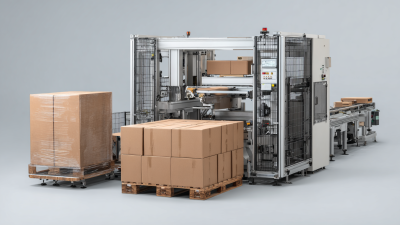
As industries evolve, companies face the decision of choosing between robotic and conventional palletizers. Robotic palletizers employ advanced technology and flexibility, allowing them to adapt to various product sizes and shapes. They excel in handling complex packaging automation. This offers companies the chance to improve efficiency and reduce labor costs over time. However, they do require a higher initial investment and ongoing maintenance.
Conventional palletizers, on the other hand, are often simpler and more affordable. They are effective for businesses with uniform products. Their reliability tends to decrease when encountering varied packages. Companies must consider their specific needs when choosing between automation types. The ease of operation is appealing in conventional setups, yet they might lack the speed required in high-demand environments.
While robotic systems offer adaptability, they may lead to operational challenges if not correctly trained. Conventional ones could result in slower outputs if the product lineup changes often. Each option has its pros and cons. Companies need to weigh these factors carefully in alignment with their operational goals. Balancing technology and efficiency is crucial for successful palletizing solutions.
Top 5 Automated Palletizing Equipment Options for Businesses
Impact of Automation on Warehouse Efficiency and Labor Costs
Automation in warehousing has transformed operational efficiency. Traditional methods often rely heavily on manual labor, which can be time-consuming and prone to error.
Automated palletizing equipment streamlines the process, reducing the physical burden on workers and minimizing mistakes.
With reduced labor costs, businesses can allocate resources elsewhere. Investing in automation can seem daunting, but the long-term savings are significant. However, companies must also consider training costs, as workers need to adapt to new technologies.
Automation may increase initial expenses, but the return on investment is evident over time. As efficiency improves, monitoring becomes crucial.
Automated systems require regular maintenance to prevent downtime. Businesses should not overlook potential challenges associated with technology. Balancing human oversight with automation is key, requiring continuous evaluation and adaptation.
Embracing automation is not just about cutting costs; it's about enhancing productivity responsibly.