Top 5 Automated Shrink Wrap Machines You Need to Consider?
In today's fast-paced packaging industry, efficiency and reliability are paramount. Automated Shrink Wrap Machines have revolutionized the way products are packaged, ensuring consistency and speed. According to a report by Smithers Pira, the global shrink wrap market is anticipated to reach $12 billion by 2025, making these machines more relevant than ever.
These machines not only streamline packaging processes but also enhance product protection. With various models available, it can be challenging to select the right one. Many companies face operational hurdles due to improper machine performance or lack of knowledge. This often leads to packaging inconsistencies, negatively impacting customer satisfaction.
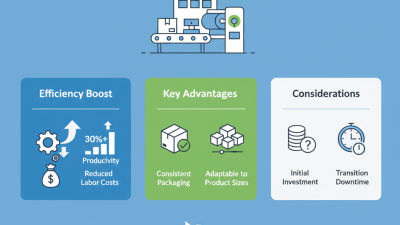
Investing in the right Automated Shrink Wrap Machines can reduce labor costs and increase productivity. However, choosing the wrong machine could result in wasted resources and operational delays. As the industry evolves, understanding the latest technologies and innovations is essential for businesses looking to thrive.
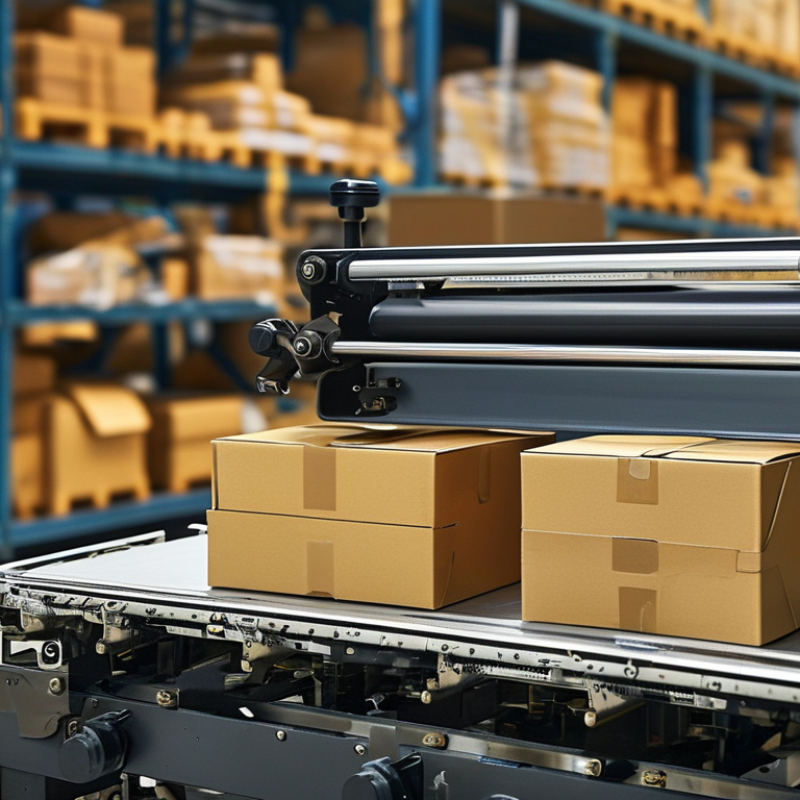
Top 5 Automated Shrink Wrap Machines Based on Efficiency and Speed
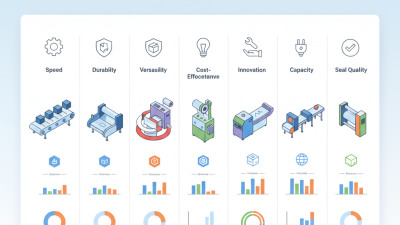
When considering shrink wrap machines, efficiency and speed are crucial factors. These automated systems streamline packaging processes in diverse industries. Their ability to wrap products quickly saves time and labor costs. Each machine offers unique features that cater to various production needs.
Some machines excel in speed but may sacrifice efficiency. A balance between these two elements is important. A machine that operates rapidly but requires frequent adjustments may not be ideal. Consistent performance over time is key. Users must evaluate their specific requirements before making a choice.
Efficiency is often measured by output rates and energy consumption. Machines that utilize advanced technology can optimize wrapping operations. They reduce material waste while increasing package integrity. It’s essential to assess these variables in real-world applications. Customer feedback often reveals hidden strengths and weaknesses, guiding potential buyers toward smarter decisions.
Key Features to Look for in Automated Shrink Wrap Machines
When selecting an automated shrink wrap machine, it’s essential to know what features will enhance productivity and efficiency. Look for machines that offer adjustable speed settings. This flexibility allows businesses to adapt to varying production demands. A study published by Packaging Strategies indicated that machines with adjustable settings can improve output by up to 30%. This is crucial for meeting tight deadlines without sacrificing quality.
Reliability is another key consideration. A robust machine reduces downtime and maintenance costs. Machines should have user-friendly interfaces to facilitate quick setup and operation. Ease of use can significantly impact training time for staff. In fact, research from the Association for Packaging and Processing Technologies notes that simpler machines reduce the training time by approximately 40%. Additionally, consider energy efficiency; models designed to consume less energy can save significant costs over time.
Finally, ensure the machine accommodates different packaging sizes. Versatility can streamline operations and reduce the need for multiple machines. However, it's vital to assess whether a “one-size-fits-all” approach meets specific needs. In some cases, compromise on functionality could lead to inefficiencies. The industry faces challenges in maintaining high standards while adapting to automation trends. Thoughtful evaluation of these key features will aid in making an informed decision.
Cost Analysis: Investment vs. Return in Shrink Wrapping Automation
Investing in automated shrink wrap machines can be a pivotal decision for businesses. The initial cost of such machines varies widely, often ranging from $15,000 to $100,000. This amount may seem daunting, but a clear cost analysis supports the investment's potential benefits. According to a report from Packaging Strategies, companies that switch to automation can improve packaging efficiency by up to 30%. In high-demand environments, this efficiency translates into significant cost savings over time.
Additionally, automated machines reduce labor costs and the risk of human error. A study by PMMI revealed that automating shrink packaging could reduce labor costs by as much as 50%. For industries like food and beverage, minimizing labor while maintaining product integrity is crucial. Yet, companies must reflect on the upfront investment versus projected savings. Not all facilities will see equal returns based on varying operational scales and specific needs. Understanding the break-even point becomes essential in determining the overall value of automation.
While automation presents tangible benefits, it requires a thoughtful approach. Businesses need to consider downtime during installation and training. Integration with existing processes can be challenging. Therefore, a detailed analysis of both financial inputs and operational outputs is necessary before making this critical decision. The journey toward automation is not straightforward but could lead to enhanced productivity and ROI in the long term.
Cost Analysis of Top 5 Automated Shrink Wrap Machines
Industry Standards and Compliance for Automated Shrink Wrap Systems
Automated shrink wrap machines are essential in many industries. They ensure products are securely packaged for shipping or storage. Compliance with industry standards is critical for these systems. Research indicates that over 70% of packaging-related incidents stem from improper use of shrink wrap systems. Therefore, adhering to regulations is not just ideal; it's necessary.
Companies must pay attention to material standards and equipment performance. The FDA and ANSI set guidelines that can greatly affect system design and operation. For instance, using low-grade materials can lead to product damage and safety risks. A recent study found that 40% of companies reported issues due to non-compliance with material specifications. Avoiding these pitfalls requires investing time in understanding the relevant standards.
Tip: Regular training sessions for staff can improve compliance and operational efficiency. Engaging staff in safety protocols fosters a culture of diligence.
Tip: Periodic equipment audits are vital. They help maintain compliance and highlight areas needing improvement, reducing risks over time.
By keeping these points in mind, companies can avoid potential pitfalls and enhance their operational reliability.
Future Trends in Automated Shrink Wrap Technology and Market Growth
The landscape of automated shrink wrap technology is evolving rapidly. Analysts project a significant market growth, estimated to reach $3 billion by 2026. This surge is driven by increased demand for efficient packaging solutions across various industries, including food and beverage, electronics, and pharmaceuticals. Automation reduces labor costs and enhances production efficiency, which appeals to businesses looking for competitive advantages.
However, companies must address challenges in integrating these technologies. A reliable shrink wrap machine should seamlessly fit into existing workflows. Investing in employee training is crucial. Workers need to understand the machine’s capabilities fully to maximize productivity. The right balance between automation and human oversight can lead to better management of packaging processes.
Tip: Always conduct a thorough performance comparison of automatic machines. Look for features like speed, energy efficiency, and maintenance needs.
As industries adopt automated solutions, the focus should remain on sustainability. Eco-friendly materials and energy-efficient machines are becoming necessary considerations. Companies aiming for long-term success should prioritize these features in their purchasing decisions. This approach not only meets regulatory standards but also enhances brand image in a competitive marketplace.