Top 10 Automatic Labeller Solutions for Efficient Labeling?
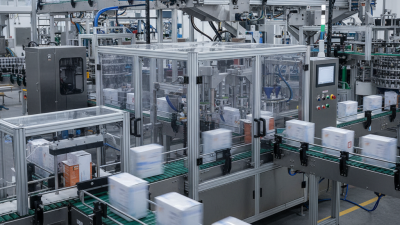
In the fast-paced world of manufacturing, efficient labeling is crucial. The "Automatic Labeller" has become a vital tool for companies aiming to streamline their production lines. Industry expert, Dr. Sarah Johnson, states, "Investing in an Automatic Labeller can drastically reduce manual errors and enhance productivity." Her insight underlines the importance of automation in modern labeling processes.
The market offers a variety of Automatic Labeller solutions tailored to different needs. From small businesses to large-scale operations, these machines can adapt to various products and packaging styles. Each solution has unique features and challenges that companies must consider. Some models promise speed, while others focus on precision. Balancing these factors is essential.
Choosing the right Automatic Labeller is not straightforward. Companies must consider integration with their existing systems. Technical support and after-sales service are critical aspects. Every solution requires careful evaluation. This way, businesses can avoid costly mistakes. Experimentation and feedback from past implementations can guide future decisions, leading to more informed choices.
Top Trends in Automatic Labelling Technology for 2023
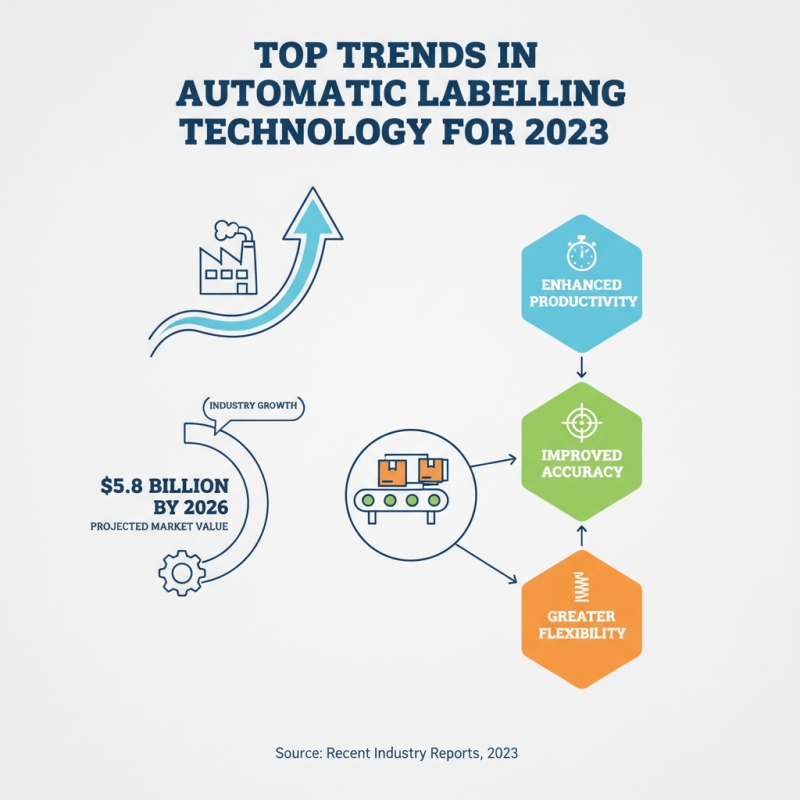
Automatic labeling technology is evolving rapidly in 2023. According to recent industry reports, the market for automatic labeling systems is projected to reach $5.8 billion by 2026. This growth reflects an increasing demand for efficiency in the manufacturing and packaging sectors. Key trends are emerging, emphasizing enhanced productivity, accuracy, and flexibility.
One notable trend is the integration of artificial intelligence in labeling systems. AI-driven solutions can adapt to various product types and label designs. They offer real-time performance monitoring, which reduces errors. Reports suggest that businesses using AI can improve their labeling accuracy by up to 25%. Furthermore, user-friendly interfaces are being developed to help operators manage these systems more effectively.
Another trend is sustainability. Companies are focusing on eco-friendly labeling materials and processes. Studies indicate that 70% of consumers prefer brands that use sustainable packaging. Implementing biodegradable labels not only attracts environmentally conscious buyers but also reduces waste. However, as the industry adapts, some challenges remain. Balancing efficiency and environmental impact requires ongoing evaluation and commitment. Different sectors may struggle to integrate these innovations effectively, underscoring the need for tailored solutions.
Key Features of Efficient Automatic Labeller Solutions in the Market
When evaluating automatic labeller solutions, several key features stand out.
Efficiency is paramount.
These machines should be able to apply labels quickly and accurately. Many high-quality labelers increase output while reducing wastage. As production demands rise, the machinery needs to adapt without compromising speed or precision.
Versatility is another crucial trait.
The best automatic labellers handle various label sizes and materials. This flexibility allows businesses to change their labels per product requirements easily. However, some machines may struggle with certain label formats. Testing these machines in real-world scenarios can reveal limitations.
Finding a solution that works across multiple products is vital.
Additionally, maintenance and support are essential factors. An efficient labelling solution should allow easy cleaning and minor adjustments. Some companies might not adequately inform users about maintenance needs. Tools and resources should be accessible, ensuring longevity in performance. A reliable support system can enhance user experience and machine usage. Reflecting on these features is necessary for making informed choices.
Comparative Analysis of Leading Automatic Labeller Brands and Models
The landscape of automatic labellers has evolved significantly over the past few years. A recent industry report indicates that the automatic labeling machinery market is expected to grow at a compound annual growth rate (CAGR) of 5.7% from 2022 to 2030. This growth is driven by the increase in demand for automated packaging solutions across various sectors, including pharmaceuticals and food and beverage.
Leading manufacturers in the automatic labelling sector offer diverse models tailored to specific needs. The speed and accuracy of these machines are assessed through rigorous testing. According to research, efficiency rates can reach upwards of 99% with state-of-the-art models. However, the variety can also lead to confusion. Many companies struggle to identify which solution fits their operational requirements best. Understanding the specific demands of your production line is crucial. Variables like label size and material can impact the choice of the ideal labelling solution.
In terms of usability, many models now incorporate user-friendly interfaces, yet operators still report needing extensive training to maximize functionality. This indicates potential gaps in initial product education and support. Regular maintenance is crucial, as neglect can lead to decreased efficiency over time. In an industry where time is money, the consequences of malfunctioning equipment are significant. Investing in automatic labellers requires insight into both the technology and your specific operational needs.
Top 10 Automatic Labeller Solutions for Efficient Labeling
| Model |
Speed (Labels/min) |
Labeling Precision (%) |
Ease of Use (Rating/10) |
Price Range ($) |
| Model A |
120 |
99.5 |
8 |
3000 - 4000 |
| Model B |
150 |
98.0 |
9 |
3500 - 4500 |
| Model C |
100 |
97.5 |
7 |
2500 - 3500 |
| Model D |
80 |
99.0 |
8 |
4000 - 5000 |
| Model E |
130 |
96.0 |
9 |
2000 - 3000 |
| Model F |
110 |
95.5 |
7 |
1500 - 2500 |
| Model G |
140 |
99.2 |
9 |
4000 - 6000 |
| Model H |
125 |
98.5 |
8 |
2800 - 3800 |
| Model I |
115 |
97.0 |
7 |
1700 - 2200 |
| Model J |
90 |
96.5 |
8 |
1200 - 1800 |
Impact of Automatic Labellers on Manufacturing Efficiency and Productivity
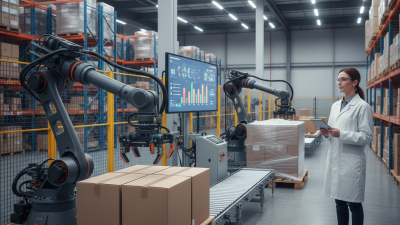
Automatic labellers play a crucial role in enhancing manufacturing efficiency. The impact of these devices is significant. According to a report by the International Packaging Association, companies that implemented automatic labeling systems saw a productivity increase of up to 30%. This improvement stems from reduced manual labor and increased speed in the production line.
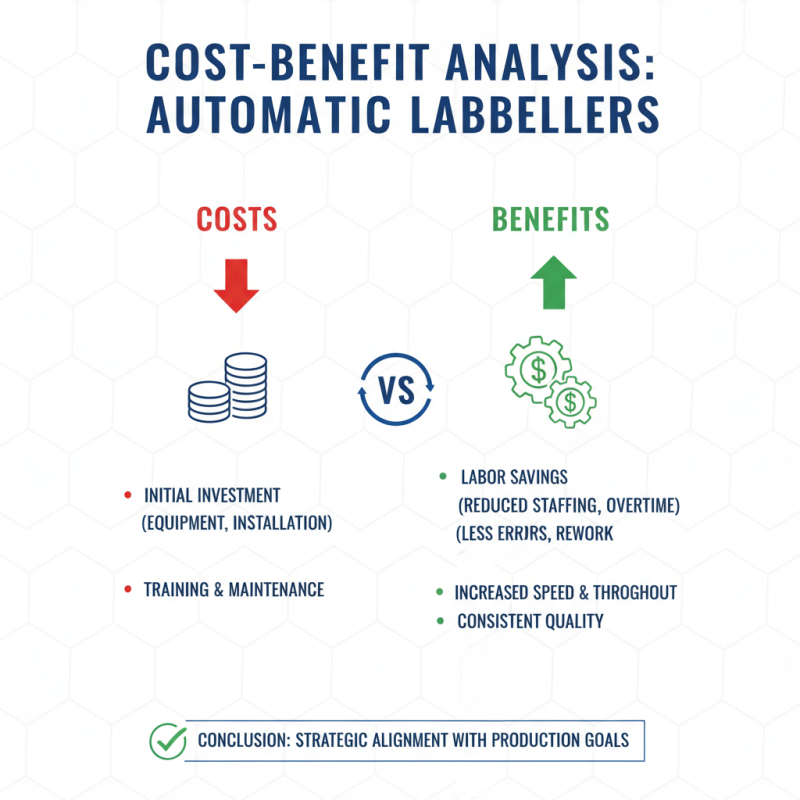
Moreover, automatic labellers minimize labeling errors. Research by the Labeling Association indicates that up to 90% of labeling mistakes can be avoided with automation. This not only boosts productivity but also improves product quality. However, integrating such technology doesn’t come without challenges. Training staff and maintaining equipment require ongoing effort and investment.
It's also vital to choose suitable labeling systems. A mismatch can lead to bottlenecks. The complexity of different product lines can cause confusion. Some businesses report initial setbacks. High maintenance costs of sophisticated systems may impact budgets adversely. In an ever-evolving manufacturing landscape, the benefits of automatic labeling must be carefully weighed against these real challenges.