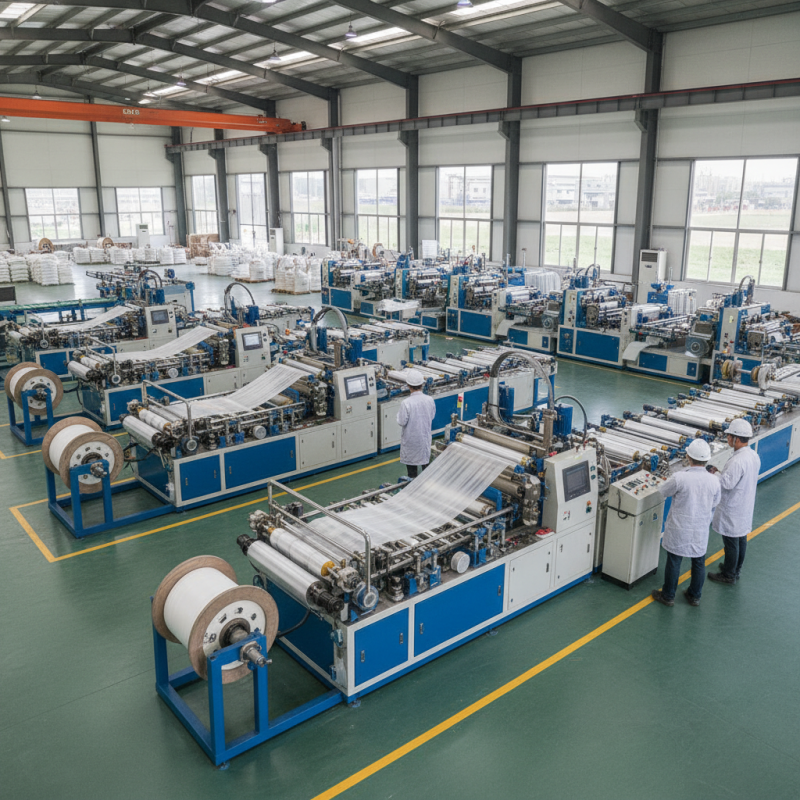
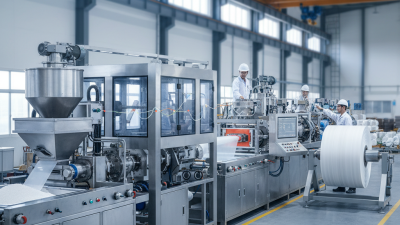
In the dynamic world of manufacturing, the demand for efficient PE extrusion lines is ever-increasing. These machines play a crucial role in producing high-quality polyethylene products. As global buyers seek reliable suppliers, understanding the landscape of China’s PE extrusion line manufacturers becomes essential.
China is home to numerous manufacturers that offer a wide range of PE extrusion lines. Some companies stand out due to their innovation, quality, and customer service. Selecting the right manufacturer can significantly influence production efficiency and product quality. However, not all manufacturers are created equal. It's important to consider various factors, including technology, experience, and after-sales support.
For buyers, navigating this diverse market can be challenging. Many companies claim to be leaders in PE extrusion line production. A thorough evaluation of their capabilities, history, and client feedback is necessary. Ultimately, making an informed decision requires careful consideration of both the strengths and potential shortcomings of each manufacturer.
The polyethylene (PE) extrusion line manufacturing landscape in China has seen significant growth.
According to recent industry reports, China has become a leading hub for PE extrusion technology. The country's production capacity has expanded, reaching an estimated volume of 5.5 million tons in 2022. This surge is attributed to advancements in engineering and increased demand from various sectors, including packaging and automotive industries.
Despite the growth, challenges persist in the PE extrusion line sector. Key issues include environmental regulations and raw material costs, which can fluctuate unpredictably. Manufacturers face pressure to adopt sustainable practices while improving efficiency.
Many companies are investing in R&D to enhance their processes and reduce waste. Innovations like energy-efficient machinery and biodegradable materials are emerging in the market.
The competitive landscape is populated with numerous manufacturers. While some excel in technology, others may lag due to outdated practices. Buyers should assess each manufacturer’s capacity for innovation and sustainability. Understanding these dynamics is crucial for making informed purchasing decisions in a rapidly evolving market.

When selecting a manufacturer for PE extrusion lines, several factors come into play. Experience in the industry is crucial. This reflects not just time spent, but also innovation and adaptation to trends. Manufacturers with a long track record often demonstrate reliability. It is wise to investigate how they have evolved over the years. Check if they have adapted to new technologies or changing market demands.
Expertise is another important criterion. The engineering quality of the extrusion lines must meet specific standards. In-depth knowledge of materials and processes contributes to the overall quality. Always evaluate the technical support offered post-purchase. Suppliers should provide ongoing assistance to address any challenges.
Lastly, customer reviews and case studies can be revealing. Reading feedback from previous clients paints a picture of a manufacturer’s reputation. A consistent history of satisfied customers signals reliability. However, don’t overlook negative feedback; it often offers insights into areas for improvement. Manufacturers willing to reflect and act on criticism are usually more trustworthy.
China's polyethylene (PE) extrusion line manufacturers are increasingly recognized globally. The country's extrusion industry shows impressive statistics. The output capacity has surged over 15% annually, according to recent industry reports. Many manufacturers have adopted advanced technologies, enhancing product quality and efficiency.
Leading companies often focus on innovation. They produce lines capable of high-speed output while maintaining consistency. However, challenges remain. Some manufacturers struggle with quality control, affecting long-term trust. Reports indicate that only about 60% of manufacturers consistently meet international standards. Moreover, while many companies aim to penetrate global markets, foreign buyers often seek certification and compliance.
Customer satisfaction remains a key factor. Many buyers emphasize the importance of after-sales service in their purchasing decisions. A solid reputation in after-sales support can differentiate companies in a crowded market. However, not all producers prioritize this aspect, leading to dissatisfaction. The interplay of quality, service, and innovation will define the future of PE extrusion lines in China.
| Rank | Manufacturer Type | Production Capacity (tons/year) | Years in Business | Export Markets |
|---|---|---|---|---|
| 1 | Large Manufacturer | 30,000 | 20 | North America, Europe, Asia |
| 2 | Medium Manufacturer | 25,000 | 15 | Europe, Africa |
| 3 | Small Manufacturer | 10,000 | 10 | Asia, Oceania |
| 4 | Large Manufacturer | 40,000 | 25 | North America, South America |
| 5 | Medium Manufacturer | 20,000 | 12 | Europe, Asia |
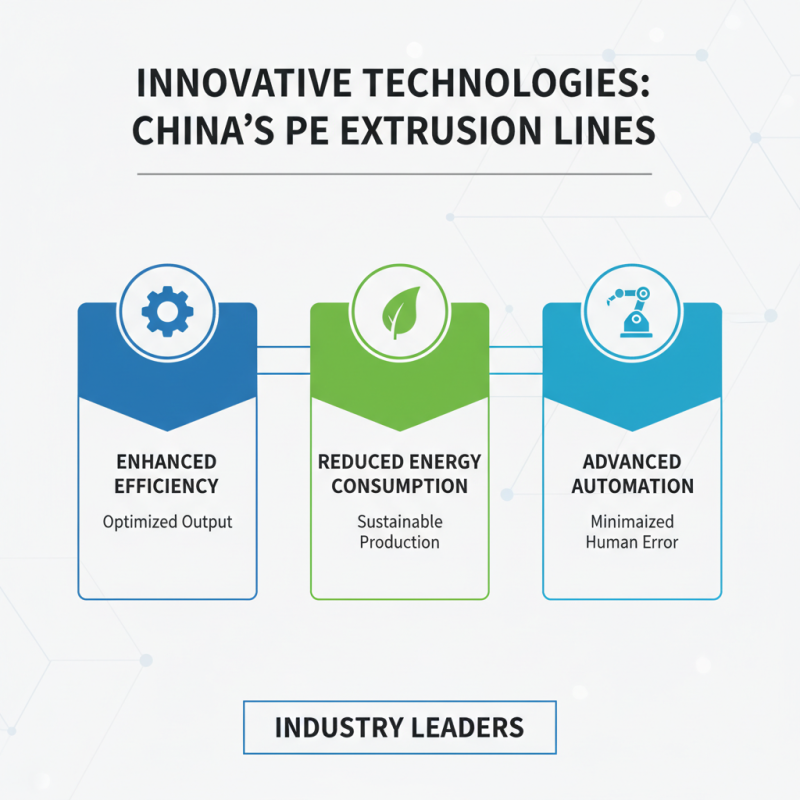
China's PE extrusion line manufacturers are leading the industry with innovative technologies. They focus on enhancing efficiency and reducing energy consumption. Advanced automation systems integrate seamlessly into production processes. This integration minimizes human error and optimizes output.
Companies have developed unique cooling systems. These systems prevent defects in the final products. Using air or water-based cooling solutions ensures uniform temperature distribution. Furthermore, smart sensors actively monitor the extrusion process. This real-time data helps in making adjustments instantly.
Tips: When considering a supplier, ask about their technological advancements. Don't overlook the importance of energy efficiency in production lines. Innovative cooling technologies can save costs in the long run. Ensure that you evaluate the reliability of a manufacturer’s equipment through customer testimonials and case studies.
The global market is seeing significant impacts from Chinese PE extrusion line manufacturers. As these companies supply an increasing amount of equipment to international markets, they also affect production trends worldwide. This rise brings both opportunities and challenges for global buyers.
Chinese manufacturers often offer competitive pricing and innovative designs. However, varying quality standards can pose risks. Purchasing from these suppliers requires careful consideration. Tips for ensuring procurement success include verifying certifications and seeking references from other buyers.
Additionally, the rapid technological advancements in China mean better efficiency and production capabilities. However, buyers must reflect on the long-term implications of relying heavily on one region. Balancing costs with quality is crucial. Exploring diverse suppliers can mitigate risks and enhance production reliability for businesses.