Top 10 HDPE Extrusion Line Manufacturers in China You Should Know?
In the world of plastic processing, the HDPE extrusion line plays a pivotal role. This technology is essential for manufacturing high-density polyethylene products with efficiency and precision. China, a powerhouse in plastic production, is home to numerous manufacturers specializing in HDPE extrusion lines. Their expertise and innovative approaches have earned them a reputation for quality.
However, not all manufacturers are created equal. Some excel in performance, while others struggle with consistency and reliability. When selecting a manufacturer, it's vital to consider their experience and the technology they utilize. Choosing the right HDPE extrusion line can significantly impact your production capabilities and product quality.
As we explore the top manufacturers, it is crucial to reflect on their offerings. Each company has unique strengths and weaknesses. Evaluating them based on your specific needs will guide your decision-making process. Understanding the landscape of HDPE extrusion lines in China is key to finding a dependable partner for your production needs.
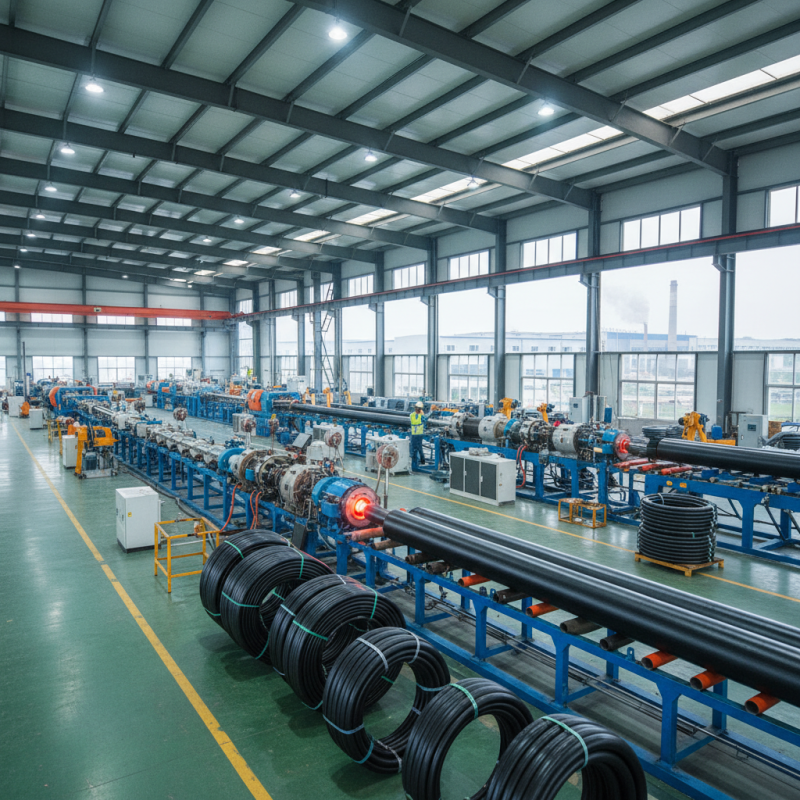
Overview of HDPE Extrusion Line Technology and Applications
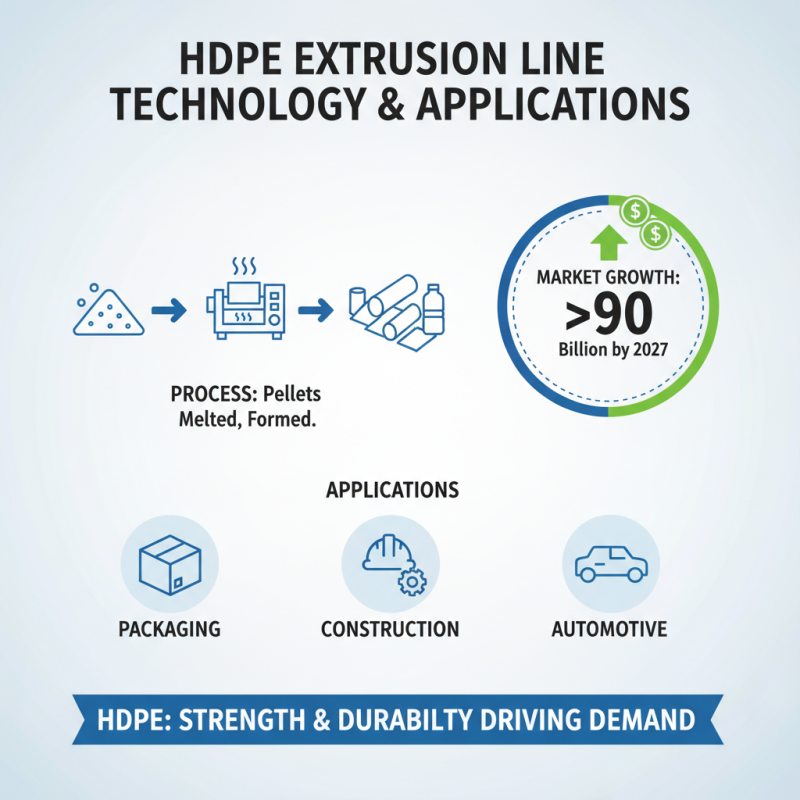
HDPE extrusion line technology plays a key role in various sectors, including packaging, construction, and automotive industries. High-density polyethylene (HDPE) is favored for its strength and durability. The extrusion process involves melting plastic pellets and forming them into desired shapes. According to industry reports, the global HDPE market is expected to reach over $90 billion by 2027. This growth signals an increasing demand for advanced extrusion lines.
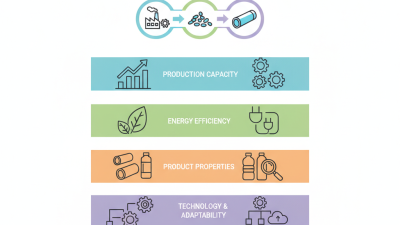
The efficiency of HDPE extrusion lines significantly impacts production rates. Manufacturers now focus on optimizing energy consumption and reducing waste. Some companies report energy efficiency improvements of up to 30% by using modern cooling systems and automation technologies. Despite advancements, challenges remain. Many plants still grapple with the complexities of material flow and processing speeds. Enhancing quality control is also a pressing issue. Continuous adjustments are necessary to ensure consistent product quality.
Applications of HDPE are vast. The plastic is used in pipes, containers, and films. It withstands harsh environmental conditions, making it suitable for outdoor applications. Recent studies indicate that roughly 30% of HDPE produced is used for packaging. Yet, addressing recycling challenges is crucial. The industry faces scrutiny over sustainability practices. Eco-friendly alternatives and recycling methods are essential for future growth. The need for innovative solutions is pressing, requiring ongoing dialogue among professionals in the field.
Key Factors to Consider When Selecting HDPE Extrusion Line Manufacturers
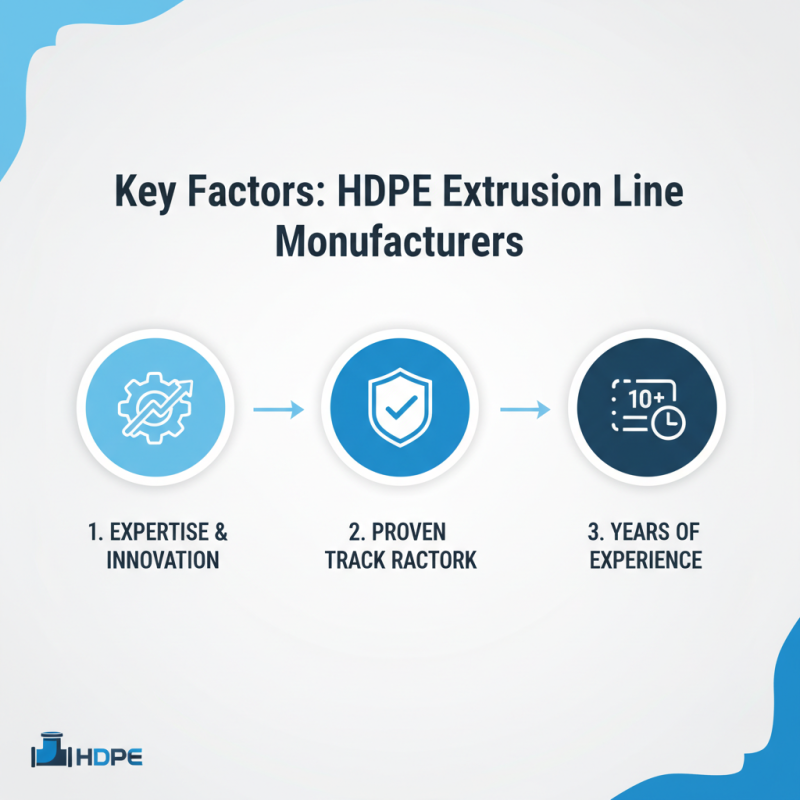
When selecting HDPE extrusion line manufacturers, several key factors demand attention. Expertise in the field is crucial. Manufacturers with a proven track record often demonstrate superior understanding and innovation in extrusion technology. Look for companies that have years of experience. Their insights can guide you through complex manufacturing processes.
Quality assurance is another critical factor. The best manufacturers prioritize testing and standards compliance. They invest in modern equipment, ensuring consistent product quality. Reliable suppliers often provide extensive warranties and after-sales support. This reflects their confidence in the machinery they produce.
Pricing is important, but it shouldn’t be the only consideration. It’s common for cheaper options to compromise on quality. Evaluate the balance between cost and features. Understand the long-term implications of your investment. Assessing the manufacturer's reputation, customer service, and product reliability can reveal much about their overall value. Pay attention to customer reviews and case studies as they offer insights from real users.
Top 10 Leading HDPE Extrusion Line Manufacturers in China
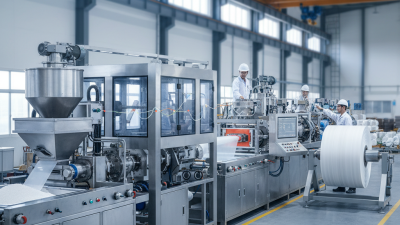
The HDPE extrusion industry in China has shown significant growth. Leading manufacturers in this sector are known for their advanced technology and commitment to quality. These companies focus on producing high-density polyethylene products that meet diverse industrial needs. They utilize cutting-edge machinery and employ skilled professionals to ensure efficiency.
Many HDPE extrusion line manufacturers emphasize sustainability. They strive to reduce waste and minimize environmental impact. However, challenges persist in adopting new technologies. Not all manufacturers can keep pace with rapid innovations. This gap can affect their competitiveness in a global market.
Understanding the landscape of HDPE extrusion is essential. Companies that adapt quickly to trends will thrive. The market is seeing increased demand for customized solutions. Manufacturers must remain flexible and responsive to specific client needs. Nonetheless, ensuring consistent quality remains a challenge. This requires ongoing training and investment in machinery.
Top 10 HDPE Extrusion Line Manufacturers in China You Should Know
| Manufacturer Rank |
Production Capacity (tons/year) |
Main Products |
Established Year |
Certifications |
| 1 |
100,000 |
HDPE Pipes, Sheets |
2001 |
ISO 9001, CE |
| 2 |
80,000 |
HDPE Films, Geomembranes |
1995 |
ISO 14001, OHSAS 18001 |
| 3 |
120,000 |
HDPE Blown Films |
2010 |
ISO 9001, CE |
| 4 |
70,000 |
HDPE Injection Molded Parts |
2005 |
ISO 9001, TS 16949 |
| 5 |
150,000 |
HDPE Blow Molding Machines |
1990 |
ISO 9001, CE, UL |
| 6 |
90,000 |
HDPE Fiber Reinforced Products |
2012 |
ISO 9001, CE |
| 7 |
110,000 |
HDPE Piping Systems |
2000 |
ISO 9001, FDA |
| 8 |
60,000 |
HDPE Custom Profiles |
2007 |
ISO 9001, CE |
| 9 |
140,000 |
HDPE Twisted Pipes |
2003 |
ISO 9001, CE |
| 10 |
130,000 |
HDPE Sheets and Films |
1998 |
ISO 14001, CE |
Comparative Analysis of HDPE Extrusion Line Features and Innovations
In the competitive field of HDPE extrusion line manufacturing, innovation and features take center stage. Various manufacturers have introduced advanced technologies to enhance productivity and efficiency. Features such as automated controls and energy-saving designs play crucial roles in meeting industry demands. Manufacturers increasingly focus on smart technology integration. This shift often leads to increased operational efficiency and reduced waste.
However, not all innovations are beneficial. Some new features may complicate the extrusion process. Users need to balance modern tech with practicality. Extrusion lines equipped with too many complex functions can lead to maintenance challenges. Additionally, understanding the real-world application of these innovations is vital. Manufacturers need to ensure their designs align with user needs, not just the latest trends.
Innovation is only valuable if it serves practical purposes. Each design choice should enhance reliability and performance. It's important for manufacturers to engage with their clients. Feedback can illuminate potential improvements. Attention to user experiences helps in refining HDPE extrusion technologies. Reliance on trends without user insight can result in suboptimal solutions.
Top 10 HDPE Extrusion Line Manufacturers in China - Feature Comparison
Market Trends and Future Prospects for HDPE Extrusion Line Production
The demand for High-Density Polyethylene (HDPE) extrusion lines is seeing steady growth in the market. As industries focus on sustainability, HDPE becomes essential in producing eco-friendly packaging materials. The extrusion process allows for efficient production with minimal waste, making it an attractive choice for manufacturers.
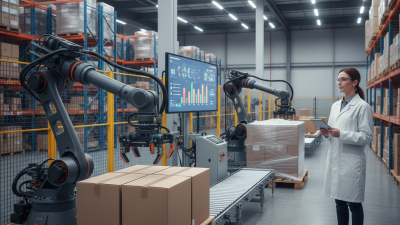
Experts note that new technologies are emerging in the field, enhancing precision in extrusion. Automation is becoming more prevalent, which improves efficiency and reduces labor costs. However, implementing these technologies can be challenging for some traditional manufacturers. Training staff to adapt to new systems is one area that often leads to friction.
The future outlook for HDPE extrusion lines appears promising. Many manufacturers are exploring ways to innovate their processes, focusing on energy efficiency and material recovery. Still, there's a need for ongoing research to address potential issues in recycling HDPE. Industry experts highlight that maintaining quality while improving production capabilities must remain a priority. Balancing these aspects could shape the trajectory of HDPE production in the years to come.