Leave Your Message

Top 10 Tips for Motor Winding Single Phase Techniques and Best Practices

The field of motor winding single phase techniques has been evolving rapidly, driven by advancements in technology and increasing demand for energy-efficient solutions. According to a recent report by the International Electromechanical Union, the global market for single-phase motors is projected to grow by 5.2% annually over the next five years, demonstrating the significant role these motors play in various applications, from domestic appliances to industrial machines. As the industry continues to expand, mastering the art of motor winding single phase has become crucial for both technicians and engineers aiming to optimize performance and reduce failures.

Dr. Emily Wright, a leading expert in electrical engineering and motor design, emphasizes the importance of technique in this area: "Precision and attention to detail in motor winding single phase can mean the difference between failure and long-lasting performance." Her insights reflect the collective understanding within the industry that effective practices not only enhance the longevity and reliability of motors but also contribute to overall energy efficiency, which is increasingly becoming a priority in today's eco-conscious world.

As we delve into the top ten tips for mastering motor winding single phase techniques, it is essential to consider both established best practices and innovative approaches that can set professionals apart in this competitive landscape. This guide aims to present actionable strategies that can elevate the quality of work done in the field, aligning with the industry's standards and consumer expectations.

Top 10 Tips for Motor Winding Single Phase Techniques and Best Practices

Essential Tools and Equipment for Single Phase Motor Winding

Top 10 Tips for Motor Winding Single Phase Techniques and Best Practices

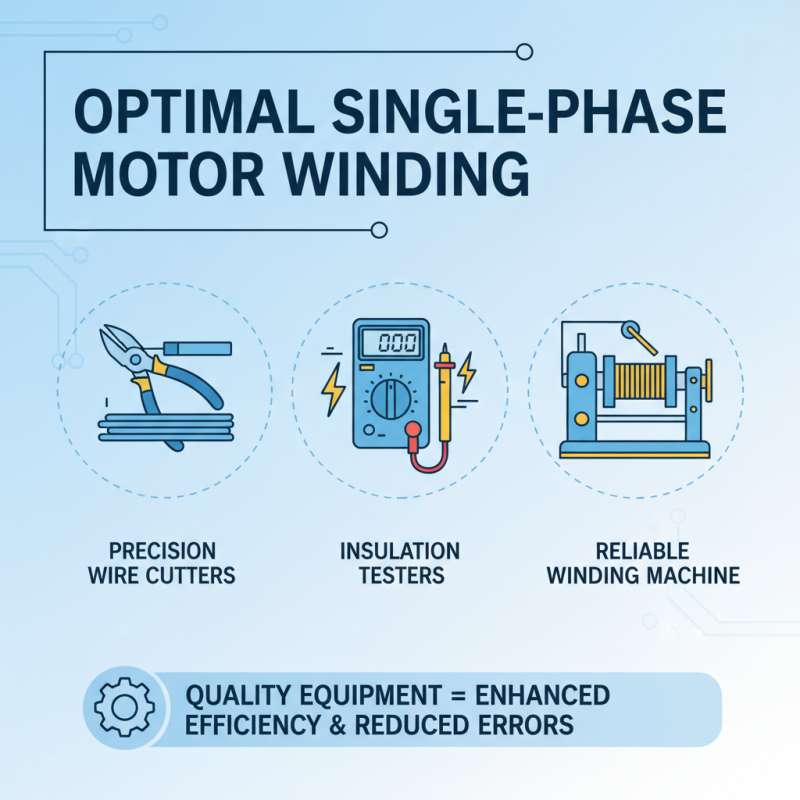
When it comes to single phase motor winding, the right tools and equipment are essential for achieving optimal results. Key items include precision wire cutters, insulation testers, and a reliable winding machine. According to industry reports, the efficiency of a motor can be significantly affected by the quality of the winding process, emphasizing the need for specialized equipment that enhances accuracy and consistency. A well-calibrated winding machine can reduce the likelihood of errors, which can otherwise lead to inefficiencies and increased operational costs.

To ensure successful single phase motor winding, technicians should also prioritize safety and proper maintenance of their tools. Regularly inspecting and calibrating equipment can prevent costly downtime. For instance, using an insulation tester ensures that the winding is free of electrical faults, contributing to a longer motor lifespan. Additionally, it’s important to use the right gauge of wire for the application, as a mismatch can not only hamper performance but also cause overheating.

Incorporating these tips into your winding practices can greatly enhance the quality of your output. Remember, a systematic approach to selecting and maintaining your tools, combined with a thorough understanding of winding techniques, will yield the best results in single phase motor winding.

Understanding the Basics of Single Phase Motor Winding Techniques

Single-phase motor winding techniques are essential for ensuring optimal performance and efficiency in various applications. Understanding the basics involves grasping the fundamental principles of electromagnetism and the role of inductance in motor operation. According to the International Electrotechnical Commission (IEC), single-phase motors account for over 50% of all electric motor usage due to their simplicity and cost-effectiveness, making knowledge of winding techniques critical for technicians and engineers alike.

When winding a single-phase motor, one must carefully consider the wire gauge, number of turns, and winding configuration. Reports from the Institute of Electrical and Electronics Engineers (IEEE) emphasize that improper winding can lead to significant energy losses, impacting the overall efficiency by as much as 10%. Additionally, variations in winding methods can affect the motor's torque and speed characteristics, underscoring the importance of precision in this process. Technical training and adherence to best practices are vital for optimizing motor design and prolonging service life.

Furthermore, utilizing software simulations and advanced winding machinery can greatly enhance the accuracy and quality of single-phase windings. Adopting such technologies, in conjunction with traditional techniques, helps in achieving better consistency and performance in motor production. Engaging in continuous education on emerging trends and techniques in motor winding will not only benefit individuals but also advance the industry as a whole, as highlighted in recent market analysis reports from engineering societies.

Top 10 Tips for Motor Winding Single Phase Techniques and Best Practices - Understanding the Basics of Single Phase Motor Winding Techniques

Tip Number Tip Title Description Best Practice
1 Understand Motor Types Learn the differences between capacitor start, split phase, and other common single phase motors. Perform thorough research on motor types before selecting one for your application.
2 Acquire Proper Tools Use appropriate winding tools such as winding jigs and insulation testers. Invest in quality tools for precision and safety.
3 Follow Standard Winding Techniques Adhere to industry standards for winding patterns and coil dimensions. Use reference guides to ensure accuracy in winding.
4 Insulation is Key Ensure proper insulation between coils to prevent short-circuits. Regularly check insulation resistance before assembly.
5 Proper Terminal Connections Make secure and accurate connections to prevent arcing. Use soldering tips for creating reliable connections.
6 Choose the Right Wire Gauge Select the appropriate wire gauge for your motor's specifications. Refer to manufacturer recommendations for wire gauge.
7 Test Before Final Assembly Conduct tests on the windings for resistance and shorts. Perform a thorough inspection prior to assembling motor components.
8 Document Your Process Keep detailed records of winding specifications and processes. Use documentation for future reference and troubleshooting.
9 Monitor Temperature Ensure motors operate at a safe temperature to extend life. Utilize thermal cutoffs if necessary.
10 Regular Maintenance Perform regular checks and maintenance on the motor. Set a maintenance schedule to keep the motor in optimal condition.

Step-by-Step Guide to Properly Winding a Motor Coil

Winding a motor coil is a meticulous process that ensures efficient performance and longevity of the motor. To begin with, gather the necessary tools, including insulated copper wire, a winding jig, and a digital multimeter for checking resistance. Start by preparing the stator core—carefully clean it to remove any dust or debris that might interfere with the winding process. Ensure that you have a clear plan for the coil configuration, including the number of turns, wire gauge, and the winding pattern, which will affect the motor's overall operation.

Once the preparations are complete, proceed with the winding process. Secure the starting point of the wire in the stator's winding slots, ensuring it is properly anchored to prevent movement during winding. As you wind the wire, keep tension consistent to avoid overlapping and ensure even layers. Carefully count the turns, as precision in this step is crucial for maintaining the coil's electrical characteristics. After winding, make sure to inspect the coil connections for any potential shorts or loose ends and use insulation where necessary. This step-by-step approach will help achieve a well-wound motor coil that optimizes performance and reliability.

Motor Winding Techniques and Best Practices

Common Mistakes to Avoid When Winding Single Phase Motors

When winding single-phase motors, there are several common mistakes that can lead to inefficiencies and operational failures. One prevalent issue is improper alignment of the windings. Ensuring that the windings are evenly spaced and correctly positioned is crucial for the motor's performance. Misalignment can lead to imbalanced magnetic fields, resulting in vibrations, overheating, and premature failure of the motor. Therefore, careful attention during the winding process is essential to achieve optimal placement and tension in the coils.

Another frequent error is neglecting the insulation between coils. Adequate insulation is vital to prevent short circuits and electrical failures. Failing to use the proper insulation materials or applying them incorrectly can compromise the motor’s longevity. Additionally, using excessive winding tension can damage the wire and insulation, leading to conductor breakage or reduced efficiency. It is important to maintain consistent tension while winding to avoid these issues and ensure a reliable motor operation. By being aware of these common pitfalls, technicians can enhance their winding techniques and improve the overall performance of single-phase motors.

Best Practices for Testing and Maintenance of Wound Motors

Top 10 Tips for Motor Winding Single Phase Techniques and Best Practices

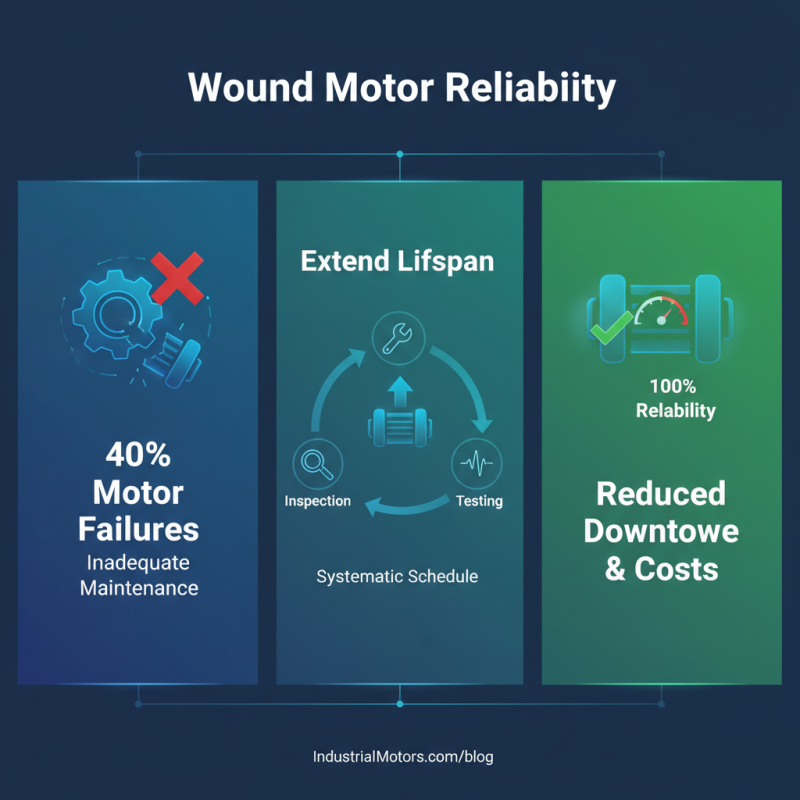
Wound motors are crucial components in various industrial applications, and their reliability heavily depends on proper testing and maintenance practices. According to recent industry reports, up to 40% of motor failures can be attributed to inadequate maintenance, leading to costly downtime and repairs. Implementing a systematic maintenance schedule that includes regular inspections and performance testing can significantly extend the lifespan of wound motors.

One essential testing method is the insulation resistance test, which helps identify potential electrical faults. Industry standards recommend conducting this test every six months to ensure that insulation integrity remains intact. Regular thermal imaging inspections can also be beneficial; these can help detect hot spots and imbalances within the motor, which are indicators of potential issues that could escalate if left untreated.

In addition to testing, proper winding techniques during motor repairs or replacements are vital. Utilizing specified winding configurations based on the motor's design can enhance efficiency and performance. Techniques such as ensuring uniform tension while winding and using appropriate quality materials can prevent premature failures. As per research published by the International Electrotechnical Commission, adhering to high standards in winding practices can improve motor efficiency by up to 15%, showcasing the impact of diligent techniques on overall operational success.