2026 Top Granule Packing Machine Options for Global Buyers?
In the ever-evolving world of packaging, granule packing machines play a crucial role. As the demand for efficient packaging solutions rises, global buyers must navigate a sea of options. Industry expert Dr. Mark Thompson states, "Choosing the right granule packing machine can significantly impact production speed and quality." His insight highlights the importance of understanding this specialized equipment.
Granule packing machines come in various designs and functionalities. Each option offers unique advantages tailored to specific needs. For instance, some machines excel in speed while others prioritize precision. Buyers must consider factors like size, capacity, and material compatibility when selecting a machine. This choice can lead to improved efficiency and reduced waste.
However, not all granule packing machines are created equal. Some buyers may rush their decision, overlooking critical specifications. This can lead to operational challenges down the line. It's essential to reflect on the specific requirements of your production line to make an informed decision. Investing time in research guarantees a reliable choice that meets your business's needs.
Overview of Granule Packing Machines in 2026
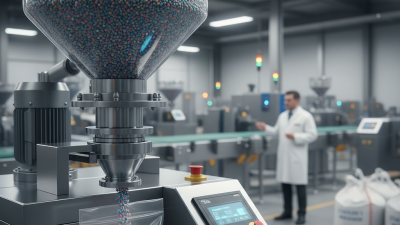
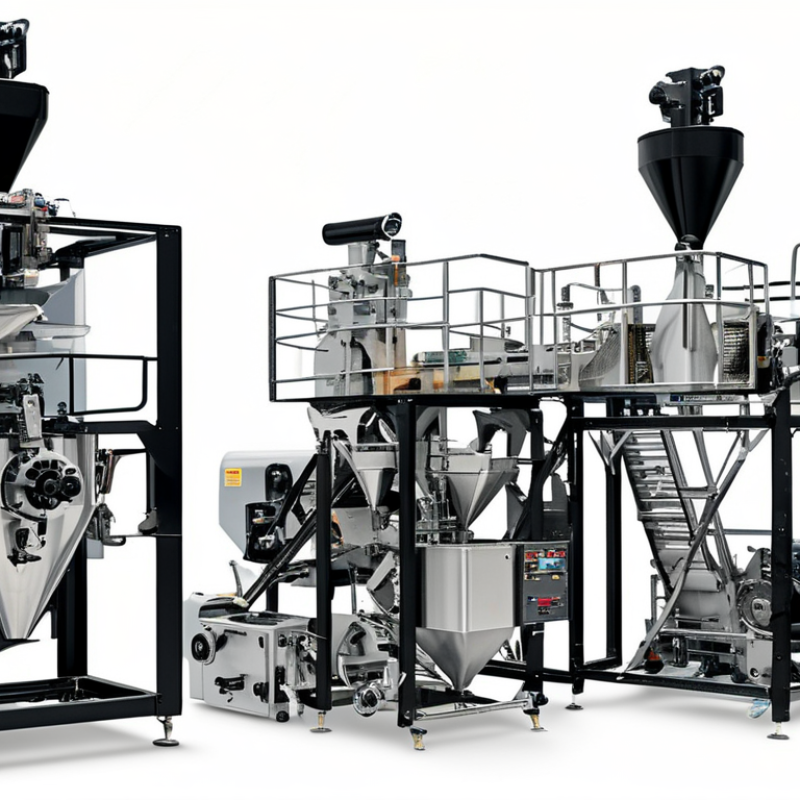
In 2026, the landscape of granule packing machines continues to evolve significantly. These machines play a crucial role in industries such as food, pharmaceuticals, and chemicals. Many global buyers are prioritizing efficiency and precision when selecting equipment. Users seek machines that can handle diverse granule sizes while ensuring minimal waste.
The technology behind granule packing has advanced, offering features like automatic weighing and integrated quality control systems. However, not all machines meet the desired standards of reliability. Some buyers may find that machines require frequent adjustments and maintenance, which can lead to unexpected downtime. Experts suggest that buyers test machines thoroughly before finalizing their choices to avoid potential issues.
Market trends indicate a growing interest in sustainable packaging solutions. This shift reflects a broader societal demand for eco-friendly practices. Buyers are encouraged to consider machines that can accommodate biodegradable materials, even if they may be more costly. Consequently, the investment could yield long-term benefits by aligning with consumer preferences for sustainability. The choices available in 2026 are vast, yet caution is warranted as not all innovations may deliver on their promises.
Key Features to Consider When Choosing a Granule Packing Machine
Choosing the right granule packing machine requires careful consideration. An effective machine ensures efficiency and product integrity. Look for key features like speed, accuracy, and compatibility with various granule sizes. These factors influence overall productivity.
When selecting a machine, examine its speed settings. Machines should be adjustable to handle different production needs. If a machine operates too slowly, it may hinder your output. In contrast, overly fast machinery can compromise accuracy. Find the right balance.
Another critical aspect is ease of use. User-friendly controls help operators work efficiently. Complex setups can lead to errors and wasted time. Always consider maintenance needs as well. Machines require regular servicing to maintain optimal performance. Neglecting this can lead to premature wear or breakdowns.
Tips: Regularly reviewing machine performance can highlight areas for improvement. Engage with operators for feedback on usability. Their insights can guide effective training programs. Keeping an eye on maintenance schedules can prevent costly downtime.
Top Manufacturers and Brands for Granule Packing Machines
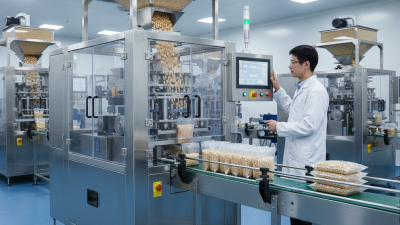
In the realm of granule packing machines, a variety of manufacturers stand out for their expertise and innovation. These brands are known for their commitment to quality and efficiency in packaging solutions. Buyers often look for features such as speed, accuracy, and versatility. A good machine should handle various granular products effortlessly. The market offers machines that can pack everything from coffee to seeds.
Several key manufacturers have established themselves as leaders in the industry. They invest heavily in research and development to enhance their product offerings. Some machines boast advanced technology, ensuring precision in every pack. However, not all machines are created equal. Some may lack adaptability to different materials, leading to limitations. It's essential for buyers to conduct thorough evaluations before making a purchase.
Reliability is crucial when selecting a supplier. Prospective buyers should analyze feedback and performance records. Some brands may promise high efficiency but fall short in real-world applications. Users often share testimonials reflecting both highs and lows of their experiences. This community insight can guide new buyers toward making informed decisions.
2026 Top Granule Packing Machine Options for Global Buyers
| Model |
Speed (packs/min) |
Weight (kg) |
Power (kW) |
Price Range (USD) |
| Model A |
50 |
200 |
1.5 |
$15,000 - $20,000 |
| Model B |
70 |
250 |
2.0 |
$20,000 - $30,000 |
| Model C |
60 |
300 |
2.5 |
$18,000 - $25,000 |
| Model D |
40 |
150 |
1.2 |
$12,000 - $18,000 |
| Model E |
80 |
350 |
3.0 |
$25,000 - $35,000 |
Comparative Analysis of Granule Packing Machine Models
In the competitive landscape of 2026, granule packing machines are gaining traction among global manufacturers. The market Research Report indicates that demand will grow by 7% annually, fueled by advancements in automation and efficiency. Manufacturers are increasingly focused on precision and speed, which enhances shelf life and reduces waste. Numerous models, varying significantly in features, cater to these needs.
Among the standout features is the speed of packing, often exceeding 60 bags per minute. A granular packing machine capable of handling various materials is highly valued. It's crucial to assess how well these machines maintain consistency in fill levels, as variations can impact the final product. Data shows that models with adjustable fill weights are preferred. Yet, some users report issues with calibration over time.
Safety features are also paramount, especially in food and pharmaceutical industries. Advanced machines come equipped with sensors and alarms to minimize risks. However, the sheer volume of options can overwhelm buyers. Evaluating after-sales support and technical service becomes nearly as essential as the machine's initial specifications. In a rapidly evolving market, even minor shortcomings can lead to significant downtime and lost revenue.
2026 Top Granule Packing Machine Options
This chart presents a comparative analysis of various granule packing machine models based on their average output speed (units per hour) and efficiency ratings (scale of 1 to 10). The data represents insights for global buyers in selecting the right machines for their needs.
Market Trends and Future Directions in Granule Packing Technology
As the granule packing industry evolves, technology plays a crucial role in shaping market trends. With increasing automation and efficiency, modern granule packing machines now offer advanced features. Innovations like smart sensors and integrated software lead to better performance and reduced operational costs. Buyers should consider these advancements when selecting a packing machine.
Tips: Look for machines that can adapt to various granule sizes. Versatility can enhance your production line's efficiency.
There’s also a growing emphasis on sustainability. Eco-friendly materials and energy-efficient designs are gaining traction among manufacturers. This aligns with consumer preferences for greener products. However, not all packaging solutions meet these criteria. It's essential to evaluate whether the technology will align with your sustainability goals.
Tips: Conduct a lifecycle analysis of your preferred machine. This will help you understand its environmental impact.
Finally, ensuring reliability and maintenance support from the manufacturer is vital. Machines that require frequent repairs can disrupt production. Balancing cost with quality remains a challenge for many buyers. It's important to invest time in research before making decisions that could affect long-term growth.