2026 Top Double Twist Bunching Machine Guide for Global Buyers?
In the evolving landscape of textile manufacturing, the "Double Twist Bunching Machine" plays a pivotal role. Experts like Dr. Helena Schwartz, a leading authority in textile machinery, note, "The efficiency of the Double Twist Bunching Machine can significantly enhance production lines." This underscores the importance of understanding these machines for global buyers.
As we approach 2026, the demand for advanced machinery increases. Global buyers face challenges in selecting high-quality Double Twist Bunching Machines. They must balance cost, efficiency, and technology. Machine specifications, production capabilities, and after-sales support determine the right choice for specific needs.
However, not all machines are created equal. Variability in quality and performance can lead to frustration. Buyers must be cautious and conduct thorough research. It is essential to analyze reviews and case studies. Investing time in understanding the intricacies of the Double Twist Bunching Machine often yields better outcomes for manufacturers.
Overview of the Double Twist Bunching Machine Technology
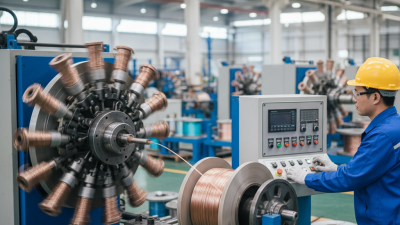
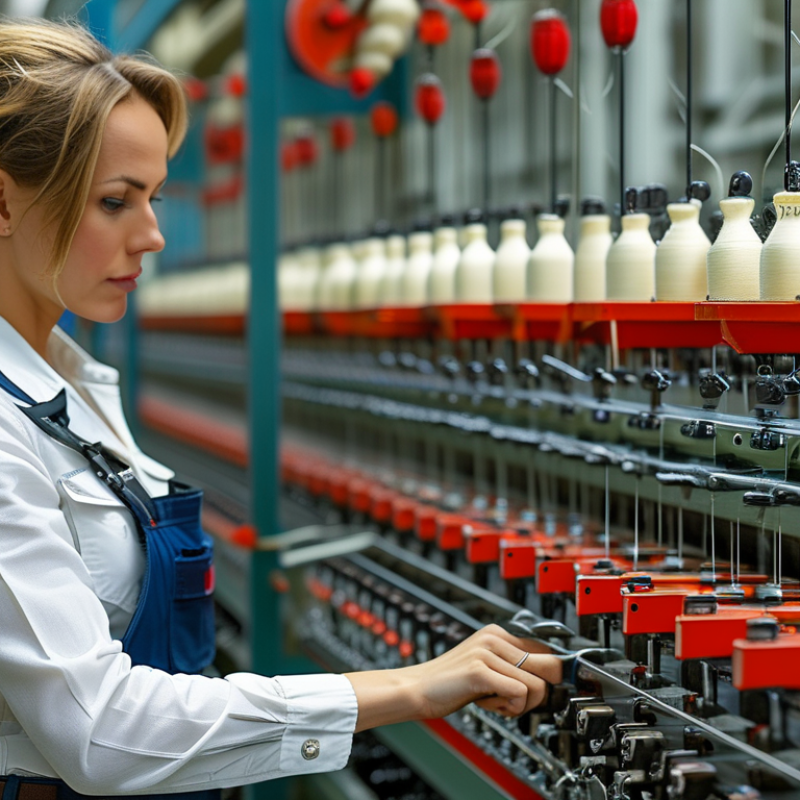
The double twist bunching machine plays a crucial role in modern manufacturing, particularly in the textile industry. This technology creates multiple twisted yarns, enhancing the quality and durability of fabrics. According to a recent industry report, the global market for double twist machines is expected to grow at a CAGR of 4.5%, underlining the significance of this equipment in production lines.
Efficiency remains a critical factor. Operators must understand the machine's setup for optimal results. Precision is vital; even slight misalignments can lead to production delays. Investing in training is essential for workers to manage these machines effectively.
Tips: Regular maintenance is key. Schedule inspections to prevent unexpected breakdowns. Monitoring production settings will also ensure consistent quality. Small adjustments can make a big difference in output. Be open to feedback from operators; their insights are invaluable.
Key Features and Benefits of Modern Double Twist Bunching Machines
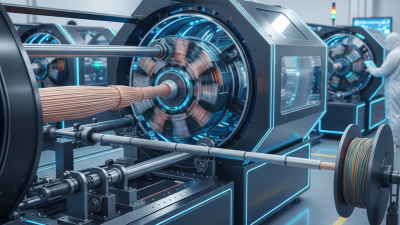
Modern double twist bunching machines are revolutionizing the production of twisted textiles. These machines are designed to enhance efficiency and precision in manufacturing processes. According to industry reports, the global market for textile machinery is expected to grow by 4.5% annually, reflecting increasing demand for faster production techniques.
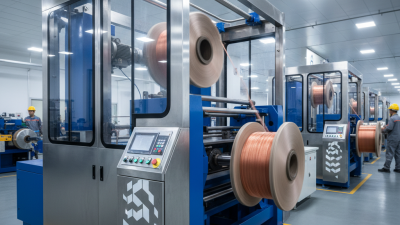
Key features of contemporary double twist bunching machines include automated functionality and adjustable settings. These machines can process various yarns, from fine to bulky, without sacrificing quality. For instance, a report by the International Textile Manufacturers Federation (ITMF) indicates that companies using these machines can increase output by up to 30% while reducing labor costs significantly. This efficiency not only saves time but also allows for quicker market response.
Moreover, these machines often come equipped with advanced monitoring systems. These systems provide real-time feedback, helping operators detect issues early. Challenges do arise, however. Maintenance can be a concern, requiring skilled personnel and proper training. While operators report high satisfaction rates, ensuring consistent quality can sometimes be difficult, necessitating regular oversight. Nonetheless, the technological advancements in this field continue to address many of these challenges, making double twist bunching machines a significant asset for textile manufacturers.
2026 Top Double Twist Bunching Machine Guide for Global Buyers
| Feature |
Description |
Benefits |
| High-Speed Operation |
Ability to process a high volume of products per hour. |
Increases production efficiency and reduces labor costs. |
| User-Friendly Interface |
Intuitive controls and touch screen for ease of operation. |
Reduces training time for operators and improves overall productivity. |
| Durable Construction |
Built with high-quality materials to withstand industrial environments. |
Ensures long-term reliability and lower maintenance costs. |
| Versatile Product Specifications |
Can adapt to various product sizes and types. |
Enhances flexibility in production lines and meets diverse customer needs. |
| Energy Efficiency |
Designed to consume less power while maintaining performance. |
Reduces operational costs and environmental impact. |
Factors to Consider When Purchasing a Double Twist Bunching Machine
When considering the purchase of a double twist bunching machine, multiple factors come into play. The production capacity is crucial. Many machines can handle around 2,000 to 12,000 bunches per hour. Knowing your output demands will guide your choice. You'll need to assess your current production workflows. If the machine doesn’t integrate well, it could lead to inefficiencies.
Another vital element is the type of material used in the machine's construction. Machines made from high-grade materials ensure durability and longevity. Industry reports indicate that machines with stainless steel components offer better resistance to wear and tear. This factor directly impacts maintenance costs. Regular upkeep can be expensive. Evaluating these costs in relation to the machine's performance is essential.
Compatibility is often overlooked. Ensure the machine aligns with your existing tools and systems. Mismatches can create production bottlenecks. Given that the technology is constantly evolving, consider future upgrades as well. The speed of innovations in this field is rapid; staying updated is a necessity. Balancing between initial investment and long-term operational efficiency can be challenging yet rewarding.
Top Manufacturers and Suppliers of Double Twist Bunching Machines Worldwide
When looking for double twist bunching machines, understanding the market is critical. Many manufacturers and suppliers are available worldwide. They offer various models with different features. Each machine has unique specifications, which can make the selection challenging. Potential buyers should research thoroughly to find the right fit.
Some manufacturers focus on automation while others emphasize manual controls. This diversity influences production efficiency and machine cost. Many suppliers also provide custom solutions. However, reliability remains a concern. Prospective buyers must assess the track record of each manufacturer. This includes customer reviews and post-sale support.
It is essential to consider the materials used in the machines. Quality components can reduce maintenance issues and improve longevity. But, not all manufacturers prioritize high-quality materials. Some may cut corners to reduce costs. This could lead to future problems, requiring buyers to conduct careful evaluations. Ultimately, making informed choices is crucial in navigating this complex landscape.
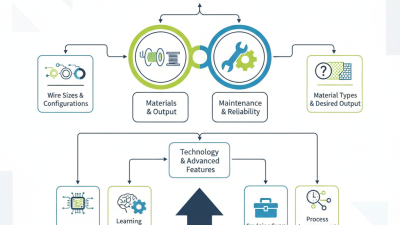
2026 Top Double Twist Bunching Machine Global Market Overview
Maintenance and Operational Tips for Optimal Performance
Maintaining a top double twist bunching machine is crucial for peak productivity. Regular maintenance ensures the longevity of the equipment and minimizes downtime. Industry reports indicate that a well-maintained machine can improve efficiency by up to 30%. Operators should conduct daily checks on oil levels and inspect belts for wear.
Tips for optimal performance: Schedule weekly cleanings. Dust and debris can hinder operations. Ensure all moving parts are lubricated appropriately. Neglecting these steps can lead to costly repairs down the line.
Understanding the machine’s operational capacity is key. Overloading can cause strain, reducing its lifespan. Monitoring the machine’s output daily provides data for operational adjustments. This real-time analysis follows best practices that many experts endorse. Remember, even minor mechanical issues can escalate quickly if not addressed. Regular staff training enhances performance and reduces risks associated with machine operation. Always refer to the operational manual for guidelines on specific models.