2026 Top Tmg Palletizer Trends for Global Buyers?
In the rapidly evolving landscape of automation, the Tmg Palletizer is set to become a cornerstone for efficiency in logistics and manufacturing. Industry expert Dr. Alice Thompson, a leading voice in automation technology, emphasizes, "The Tmg Palletizer represents the future of streamlined operations and resource saving." This sentiment reflects a broad perspective on how these systems are reshaping supply chains globally.
As businesses adapt to heightened demands for speed and efficiency, the Tmg Palletizer trends will significantly influence purchasing decisions. Innovations in design and technology are emerging, aiming to enhance productivity while minimizing costs. Companies are increasingly recognizing the strategic importance of integrating advanced palletizing solutions. These systems promise not only better output but also a more sustainable operational framework.
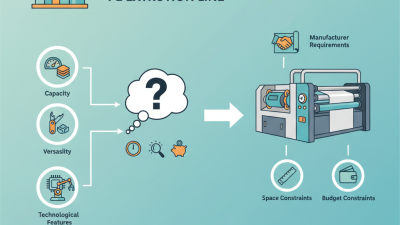
However, challenges remain for global buyers. Selecting the right equipment can be a daunting task. Buyers must consider not only the initial investment but also the long-term operational efficiency and adaptability of the Tmg Palletizer. It's essential to analyze various factors before committing. Reflecting on these issues can lead to informed decisions that drive future success.
Emerging Technologies in Palletizing Solutions for 2026
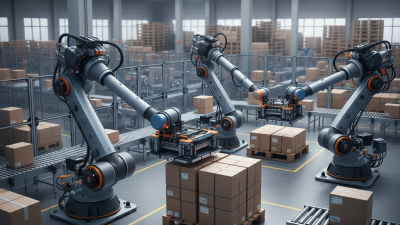
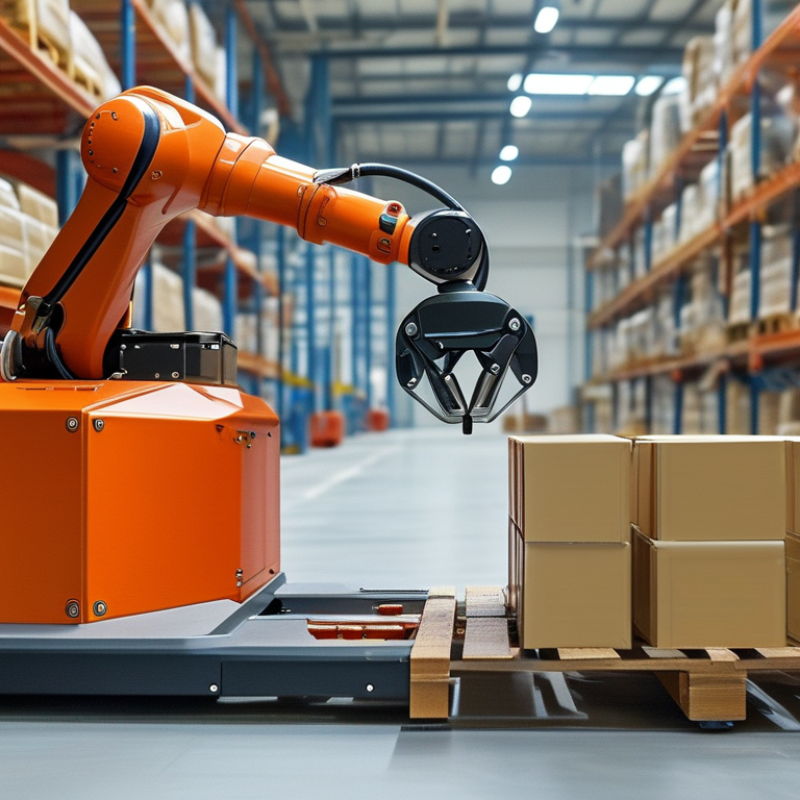
As we look ahead to 2026, the palletizing industry is on the brink of significant transformation. Innovations in automation will redefine traditional palletizing capabilities. More companies are turning to robotic solutions. These robots can handle complex tasks with precision. They adapt easily to different product sizes. This flexibility is crucial in today’s fast-paced supply chain environments.
Artificial intelligence will also play a key role in palletizing solutions. Smart systems can analyze data in real-time. They optimize pallet patterns and improve efficiency. For instance, advanced sensors might help identify product defects during packaging. This ability reduces waste and enhances quality control. However, integrating such technologies can be challenging. Companies must consider training employees and updating infrastructure.
Sustainability is another pressing concern. As eco-friendly practices gain traction, palletizers will need to align with these values. It’s not just about efficiency; it’s about reducing carbon footprints too. Some businesses are exploring biodegradable materials for packaging. This shift may complicate palletizing processes but addresses growing consumer expectations. The journey toward 2026 requires thoughtful consideration of these evolving factors.
Sustainability Trends Impacting TMG Palletizers Globally
Sustainability is reshaping the logistics and manufacturing industries. TMG palletizers are not exempt from this trend. These machines are now designed with eco-friendly materials and energy-efficient technologies. For instance, recent models integrate sensors to optimize power usage. This reduces the overall carbon footprint. Industry experts highlight the importance of sustainability in equipment choices.
While the push for greener solutions is evident, some challenges remain. Transitioning to sustainable practices can be costly for manufacturers. Budget constraints often limit the adoption of advanced technologies. Additionally, companies may struggle with the training needed to operate new systems. This can lead to inefficiencies if not addressed properly.
Global buyers should be aware of these dynamics. Choosing a palletizer that prioritizes sustainability can drive long-term benefits. However, it's essential to weigh the upfront investment against future savings. As eco-friendliness becomes a core business strategy, the focus will shift from simply moving products to doing so responsibly.
Integration of Automation and Robotics in Palletizing Systems
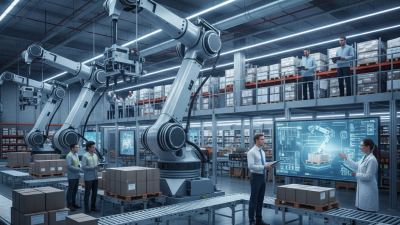
The integration of automation and robotics in palletizing systems is shaping the future of logistics. Industries are increasingly adopting these technologies to enhance efficiency. Automated palletizers can significantly reduce labor costs and minimize human error. This means businesses can operate at faster rates while maintaining quality.
However, implementing robotic systems is not without challenges. Companies face varying levels of expertise and initial investment costs. Training existing staff to work alongside robots is essential but often overlooked. Many organizations must adjust their workflow to fully optimize these advanced machines. The balance between human oversight and robotic precision remains a crucial discussion point.
As the market evolves, understanding these technologies is vital. Buyers must assess their specific needs and readiness. Many companies may need to recalibrate their operational strategies as they transition to automated solutions. This shift represents not just a technological upgrade, but a significant cultural change in how business is done. The nuances of this transition merit careful consideration and planning.
Market Demand Shifts: How Global Buyers Influence Palletizer Design
The global palletizer market is undergoing significant changes. These shifts are largely influenced by the evolving demands of global buyers. As industries expand, the need for efficient and flexible palletizing solutions increases. Buyers prioritize automation, speed, and adaptability. They seek designs that can handle various products and packaging styles seamlessly.
Market trends show a growing desire for sustainability. Buyers are more conscious of eco-friendly solutions. They prefer palletizers that consume less energy and use recyclable materials. Companies face pressure to innovate, balancing performance and environmental impact. This challenge requires expertise in engineering and design that meets buyer expectations.
Customization is another area where buyers exert influence. They desire specific features tailored to their operations. This could include advanced sensors, user-friendly interfaces, or integration with existing systems. Palletizer manufacturers must engage deeply with clients. It is vital to understand their unique needs. They must be open to feedback and willing to adapt their designs. Failure to do so may result in missed opportunities and a disconnect from market realities.
Customization and Flexibility: Adapting to Diverse Industries in 2026
In 2026, customization and flexibility will define palletizer trends. Industries are evolving rapidly. Companies need solutions that adapt swiftly. According to industry reports, 70% of manufacturers emphasize tailored equipment to meet specific needs. This shift responds to diverse packaging and production requirements.
Customization allows companies to modify palletizers for unique product shapes and sizes. It ensures operational efficiency. A recent study highlighted that 65% of businesses reported increased productivity after implementing flexible systems. Adaptable technology reduces downtime and enhances scalability in production lines.
However, challenges exist in integrating these systems. Training employees on new technology is essential. Some companies face difficulties balancing customization with cost efficiency. Investing in adaptable palletizers requires thoughtful planning. As industries continue to change, these complexities will demand ongoing assessment and adjustment.