What is Motor Winding Single Phase Benefits and Applications?
In the realm of electrical engineering, "Motor Winding Single Phase" plays a pivotal role. This sector has seen significant growth, with the single-phase motor market projected to reach $9.8 billion by 2026, according to a report by Market Research Future. Experts note that single-phase motors are essential for small appliances and equipment. John Smith, a leading authority in motor technologies, emphasizes, “The efficiency of single-phase motors cannot be overlooked in today's applications.”
Single-phase motors are preferred for their simplicity and cost-effectiveness. They are widely employed in residential and commercial settings. These motors are commonly used in fans, compressors, and small pumps. Their design allows for easy installation and maintenance. However, there are challenges. Single-phase motors may not be suitable for high-load applications. This limitation prompts engineers to rethink design choices for specific needs.
As the industry evolves, the significance of "Motor Winding Single Phase" is clear. With advancements in technology, it's crucial to address the performance and reliability of these systems. Continuous improvement can lead to more efficient motor designs. Nonetheless, it requires a careful balance of cost and performance.
What is Single Phase Motor Winding?
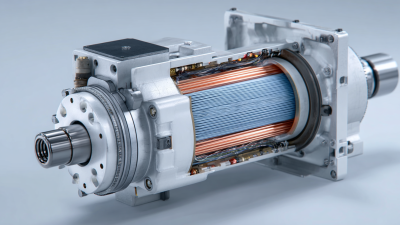
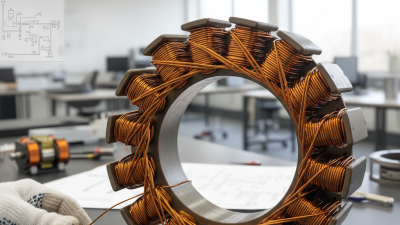
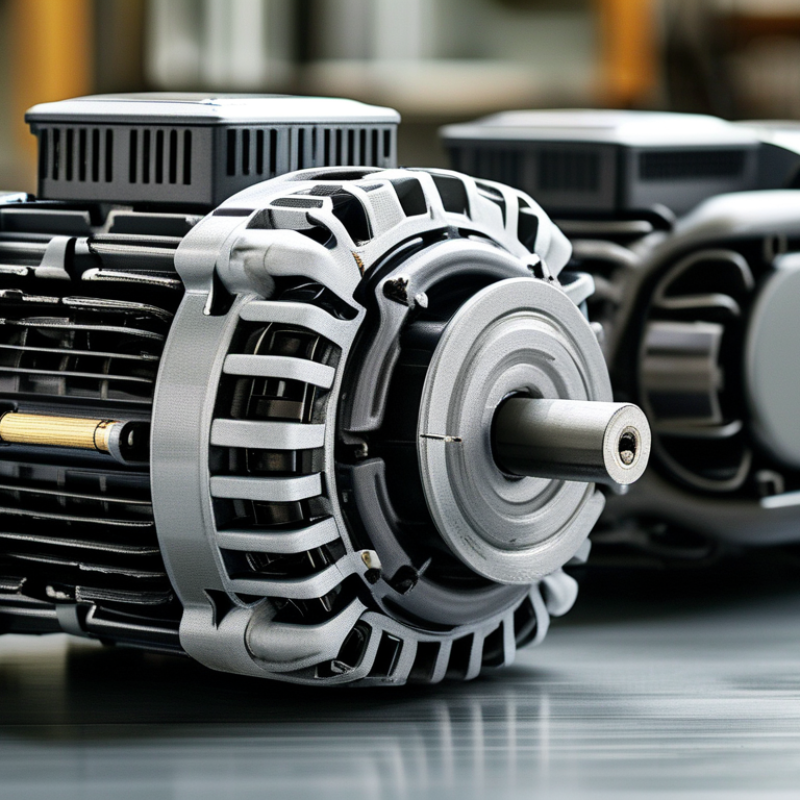
Single phase motor winding refers to the process of winding coils around a core in a single-phase motor. This type of motor consists of two main parts: the stator and the rotor. The winding generates a magnetic field that enables the rotor to turn. Understanding how these windings function is essential for anyone looking to work with or maintain single-phase motors.
These motors are widely used in household appliances, industrial tools, and HVAC systems. Their simplicity allows for efficient design. A single-phase motor requires less complex circuitry compared to three-phase motors. However, this simplicity comes with drawbacks. The torque produced is generally lower, making them less suitable for high-power applications.
Maintenance of single-phase motor windings can be tricky. Insulation issues can lead to motor failure. Regular inspection is recommended to avoid complications. Careful attention to detail during winding can enhance reliability. Yet, the winding technique requires skill and experience. Some users may overlook this, leading to performance decline over time.
What is Motor Winding Single Phase Benefits and Applications?
| Dimension |
Details |
| Type of Winding |
Single Phase Winding |
| Applications |
Pumps, Fans, Compressors, Home Appliances |
| Advantages |
Cost Effective, Easy to Maintain, Low Noise |
| Starting Method |
Capacitor Start, Split Phase |
| Input Voltage |
Typically 110V or 220V |
| Efficiency |
Moderate Efficiency (70-80%) |
| Motor Speed |
Standard Speed (1500 or 3000 RPM) |
| Common Applications in Industries |
Agriculture, Food Processing, HVAC Systems |
Key Benefits of Single Phase Motor Windings
Single-phase motor windings are a prevalent choice in various residential and commercial applications. A key benefit lies in their simplicity. These motors are easier to install and maintain, making them ideal for small appliances and home equipment. According to the National Electrical Manufacturers Association (NEMA), about 70% of electrical motors in usage are single-phase. This highlights their popularity and reliability.
Another advantage includes their cost-effectiveness. Single-phase motors require less material and are generally cheaper to produce than three-phase models. A report from the International Electrotechnical Commission (IEC) notes that single-phase motors can be up to 30% less expensive compared to more complex motor designs. This affordability opens doors for many consumers, especially in low-power applications.
However, there are some drawbacks. Single-phase motors typically have lower starting torque compared to their three-phase counterparts. Hence, they may struggle with heavier loads. Consumers should assess their specific needs when considering motor options. Awareness of these limitations is crucial to ensure optimal performance. So while single-phase motors shine in cost and ease, understanding their capabilities is essential for informed decision-making.
Common Applications of Single Phase Electric Motors
Single phase electric motors are widely used in various applications due to their simplicity and efficiency. According to the U.S. Department of Energy, approximately 70% of industrial motors operate on single-phase power. This makes them particularly suitable for household appliances and small machinery. These motors are common in fans, pumps, and conveyor systems.
In residential settings, single-phase motors are typically found in air conditioning units, washing machines, and refrigerators. Their lightweight design allows for easy installation and maintenance. Single-phase motors consume less energy compared to larger three-phase motors, which can lead to lower operational costs for home users. However, there might be concerns about their efficiency at higher loads.
The application of single-phase motors extends beyond homes. Small businesses use them for various tasks, such as powering workshop tools and HVAC systems. Their performance in these environments is often satisfactory, but users should be mindful of potential overheating and the need for regular maintenance. Proper selection and sizing of these motors can mitigate some inefficiencies and prolong their lifespan.
Comparison of Single Phase and Three Phase Motors
Single-phase motors are commonly used for small appliances, lighting, and HVAC systems. They are simpler and less expensive to manufacture compared to three-phase motors. According to the International Electrotechnical Commission (IEC), approximately 75% of electric motors in use globally are single-phase. This highlights their prevalence in residential and light commercial applications.
In contrast, three-phase motors are more efficient for heavy-duty applications. They provide a continuous power supply, leading to improved performance and reduced operational costs. The Electric Power Research Institute (EPRI) suggests that three-phase motors have a typical efficiency of around 90% or higher, compared to the 70-80% efficiency of single-phase motors. This difference makes three-phase motors preferable in industrial settings where energy consumption and productivity are priorities.
**Tips:** When choosing between motor types, consider application requirements and energy costs. In certain situations, the initial investment for a three-phase motor may be offset by lower energy bills. For small, low-power applications, single-phase motors often suffice, providing adequate performance without the complexity of a three-phase setup. Always evaluate the specific needs of your project before making a decision.
Maintenance Tips for Single Phase Motor Windings
Single phase motor windings are crucial for efficient motor operation. Proper maintenance can extend their life and enhance performance. Regular inspection is key. A visual check can reveal signs of wear. Look for corrosion or damage to wires. These issues can lead to costly repairs.
Cleaning motor windings is essential. Dust and debris can accumulate over time. Use a soft brush or compressed air to clean the area. Avoid using liquids, as they can cause further damage.
Overheating is another potential problem. Ensure adequate ventilation around the motor. Check for any obstructions that could impede airflow. A well-ventilated motor runs cooler and is less prone to failure. Monitoring the temperature can prevent overheating.
Lastly, listen for unusual noises. A humming sound might indicate winding problems. Address these issues promptly to avoid major failures. Keeping track of operation hours can also help schedule maintenance effectively.
Motor Winding Single Phase Benefits and Applications
The chart above illustrates the benefits of Single Phase Motor Windings in terms of efficiency, cost, ease of maintenance, and applications. Each metric has been rated on a scale from 0 to 100, showcasing the advantages of single phase motors in various operational scenarios.