Top 10 Automatic Labellers in China for Global Buyers?
In the fast-evolving world of packaging, an Automatic Labeller plays a crucial role. As businesses aim for efficiency and accuracy, these machines are essential for various industries. They ensure that products are labeled correctly and swiftly to meet consumer demands.
China has emerged as a leading manufacturer of Automatic Labellers, catering to global buyers. With innovative designs and advanced technology, these machines offer reliable solutions. They streamline production lines and boost productivity. However, not all machines are created equal. Buyers must assess their specific needs and understand the features that set one labeller apart from another.
Some products may offer high speed but lack precision. Others could be durable but require significant maintenance. Researching the top Automatic Labellers in China can guide buyers. It is vital to choose wisely in a market filled with options. Investing in the right equipment guarantees a smoother operation and long-term benefits.
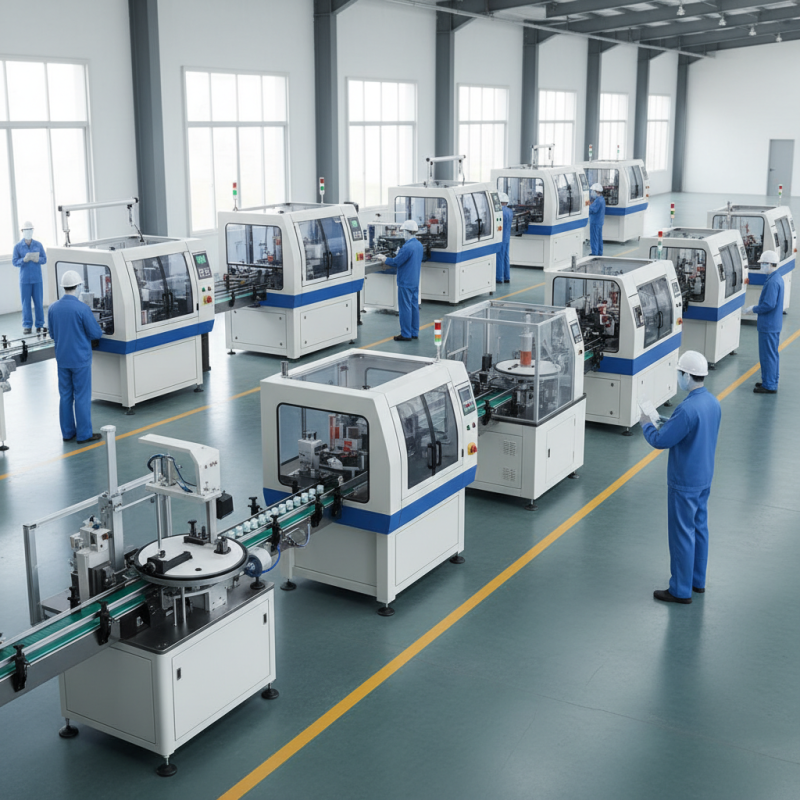
Overview of Automatic Labelling Machines in China
Automatic labelling machines are essential for many industries in China. These machines streamline the labelling process and enhance productivity. They come in various sizes and functionalities, catering to different packaging needs. Manufacturers in China focus on innovation and efficiency, often incorporating advanced technology.
The current market presents a mixture of options. Some machines are highly automated, while others allow for manual adjustments. This adaptability helps businesses tailor solutions to their specific requirements. However, potential buyers should be aware of quality variations. Not all products meet the same standards, leading to different levels of reliability. Machine durability and maintenance support can also differ significantly among suppliers.
International buyers should keep local service in mind. Many suppliers may not provide necessary after-sales support overseas. Communication is vital for ensuring proper usage and troubleshooting. As the demand for automation grows, buyers should remain cautious. It’s essential to conduct thorough research before making a purchase. Engaging with industry experts can aid in making informed decisions, ultimately leading to greater operational success.
Top 10 Automatic Labellers in China - Overview
Key Features of Top Automatic Labellers for Global Buyers
Automatic labellers are essential in various industries, enhancing efficiency and accuracy. In China, the market for automatic labellers is expanding rapidly, driven by the rise in e-commerce and manufacturing. According to a recent industry report, the automatic labelling equipment market is expected to grow at a CAGR of 5.1% through 2026. This growth is fueled by modernization in production lines and the increasing demand for product identification.
Key features of top automatic labellers include user-friendly interfaces and customizable settings. Many models offer high-speed applications, capable of labelling up to 600 products per minute. This is crucial in high-volume industries like food and beverage. Furthermore, advanced tracking technology ensures quality control and inventory management, which many companies are now prioritizing. Reliability and accuracy are paramount, as mislabeling can lead to significant financial losses.
However, the selection of automatic labellers isn't without challenges. Buyers must consider compatibility with existing production systems. The upfront investment is also significant, often requiring a reassessment of budget priorities. Ensuring optimal performance may involve a learning curve for staff, impacting productivity initially. Balancing cost with technological benefits can be tricky, making thorough research vital before purchasing.
Top 10 Automatic Labellers in China for Global Buyers
| Model |
Labeling Speed (bottles/min) |
Labeling Accuracy (%) |
Power Consumption (W) |
Weight (kg) |
Dimensions (L x W x H, mm) |
| Model A |
300 |
99.5 |
120 |
150 |
800 x 600 x 1500 |
| Model B |
250 |
98.5 |
150 |
120 |
700 x 500 x 1400 |
| Model C |
400 |
99.7 |
130 |
200 |
850 x 650 x 1550 |
| Model D |
280 |
99.0 |
110 |
180 |
900 x 700 x 1600 |
| Model E |
350 |
99.8 |
125 |
160 |
750 x 650 x 1500 |
Leading Manufacturers of Automatic Labellers in China
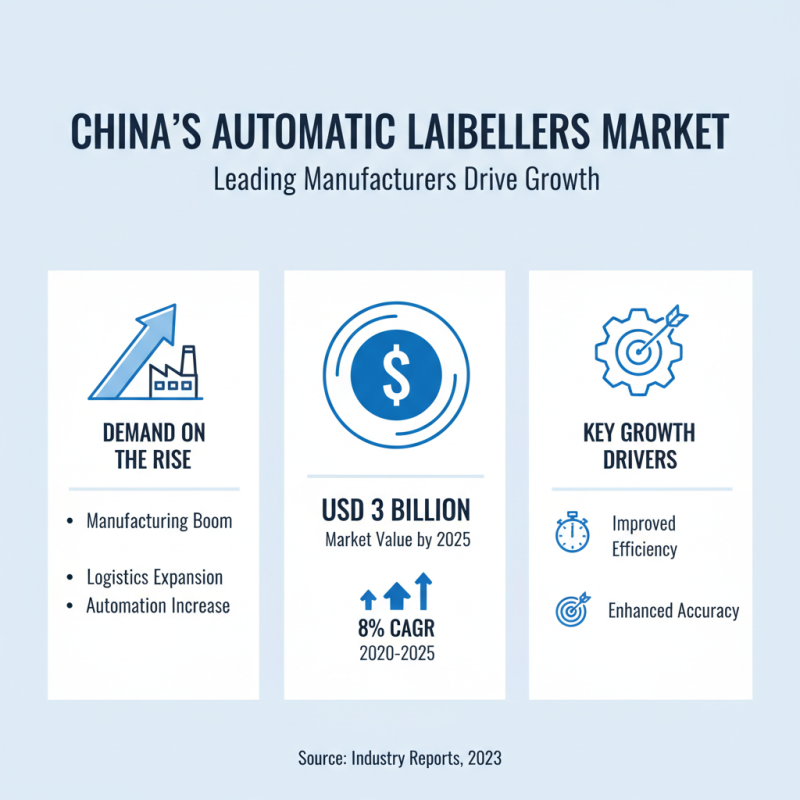
The demand for automatic labellers in China continues to rise, driven by the rapid growth of manufacturing and logistics industries. Recent statistics indicate that the automatic labelling machinery market in China is expected to reach USD 3 billion by 2025, growing at a CAGR of 8%. This growth is fueled by increased automation, with producers seeking to improve efficiency and accuracy.
Leading manufacturers of automatic labellers boast advanced technology, enabling high-speed and precise labelling solutions. A significant portion of these firms implements stringent quality control measures. Reports highlight that over 70% of manufacturers in this sector have adopted smart technologies, enhancing their production processes. Increasing competition drives these producers to innovate continually, though not all firms manage this effectively.
In the realm of global competitiveness, Chinese manufacturers face challenges. Some companies struggle with supply chain issues, affecting production timelines. Additionally, adapting to international standards can be a hurdle. This often results in inconsistent product quality. Buyers must conduct due diligence when selecting suppliers to ensure reliability. Understanding these dynamics is crucial for making informed decisions.
Comparative Analysis of Pricing and Features
The demand for automatic labellers in China has surged due to increased production needs. Global buyers are looking for cost-effective solutions without sacrificing quality. A recent industry report highlights that the average price for labellers in China ranges from $1,500 to $10,000, depending on features and capabilities.
Many automatic labellers are equipped with advanced technology. This includes labeling accuracy, speed, and versatility. Systems offering high-speed operation typically range from $5,000 onwards. Meanwhile, entry-level models can perform well for smaller operations. Consistent labeling accuracy is essential; a margin of error above 2% can lead to significant logistical issues.
Tips: When choosing a labeller, consider the total cost of ownership, not just the initial price. Training and maintenance also impact long-term expenses. Be cautious about selecting high-speed models; they may require specialized training. Analyze your production needs carefully to avoid overspending on unnecessary features. Balancing cost with functionality ensures better investment decisions.
Market Trends and Future Outlook for Labelling Machines
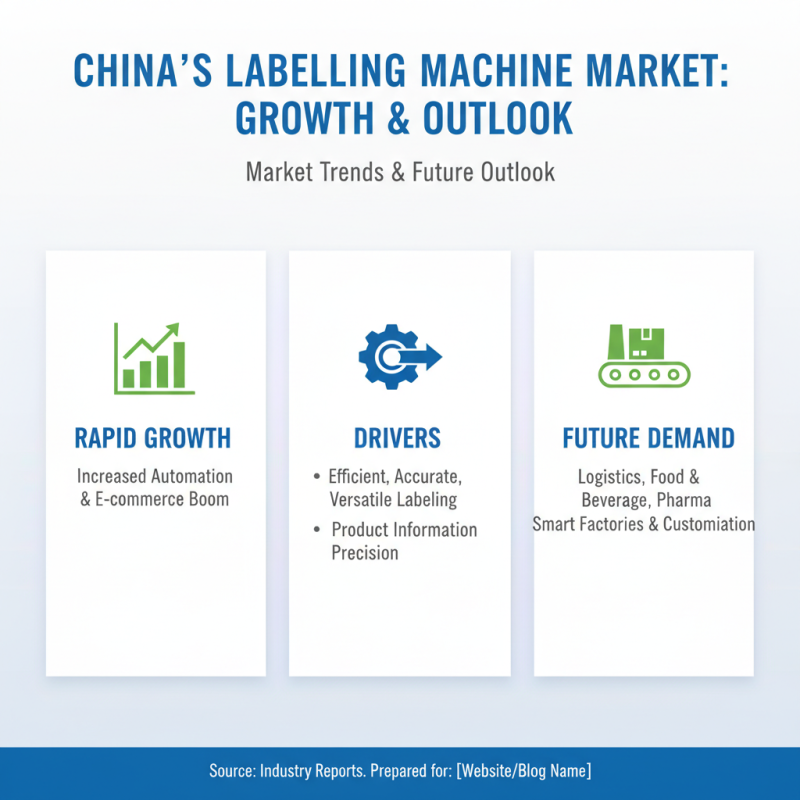
The labelling machine market in China is experiencing rapid growth. As more industries automate their processes, the demand for efficient labelling solutions rises. This shift is partly driven by e-commerce and the need for precise product information. Companies seek reliable machines that can label various products quickly and accurately.
Technological advancements play a crucial role in shaping market trends. Automation and smart technology improve efficiency and reduce errors. Manufacturers are now focusing on creating user-friendly interfaces and enhancing machine connectivity. However, there are challenges. Some machines may not meet all specific needs of diverse industries. This can lead to operational hiccups, requiring companies to invest in is more suitable technology.
Future prospects look promising. There is a strong push for sustainable labelling solutions. Environmentally friendly materials and energy-efficient machines gain traction. Additionally, adapting to regulatory changes will be essential for manufacturers. Staying updated on compliance can be overwhelming but necessary. This landscape presents opportunities for innovation, demanding continuous improvement and adaptation from industry players.