Why Choose Rewinding Line for Your Manufacturing Needs?
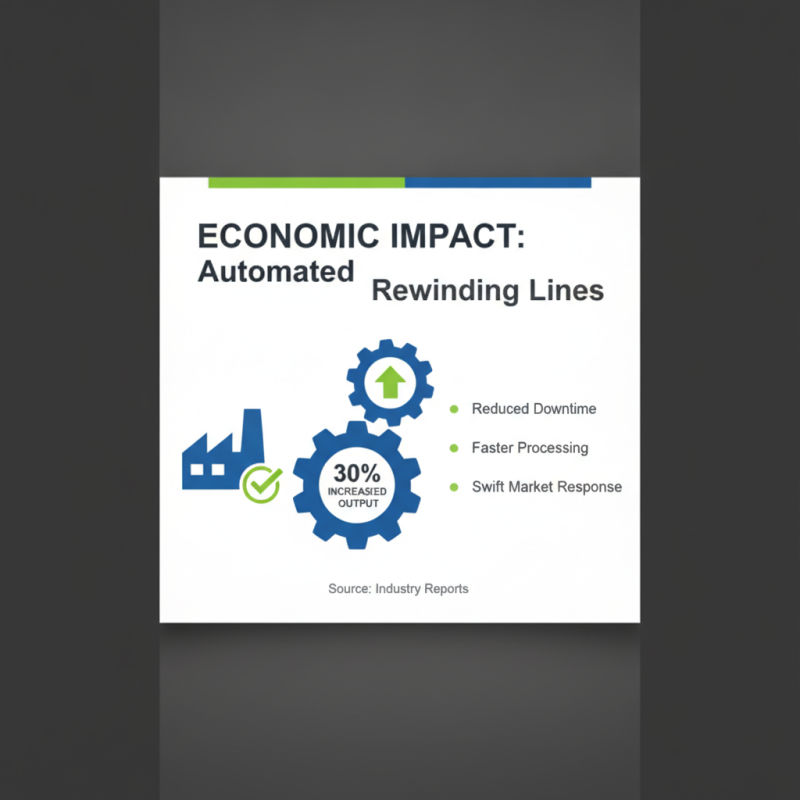
In today's competitive manufacturing landscape, choosing the right machinery is crucial. When it comes to flexibility and efficiency, a Rewinding Line stands out. This equipment can significantly enhance production processes. According to a recent industry report by Smith & Associates, companies that integrate advanced rewinding technology experience up to 30% improvement in operational efficiency.
The relevance of Rewinding Lines cannot be overstated. They are essential for converting and packaging various materials. The global market for these lines is projected to surpass $2 billion by 2025, driven by rising demand in industries like textiles and packaging. However, many manufacturers still overlook the potential benefits. Failing to adopt innovative solutions could limit growth.
Investing in a Rewinding Line means committing to quality and precision. Quality issues often arise from outdated equipment. Manufacturers must assess their needs and strategy carefully. Ignoring the evolving market can lead to missed opportunities. A well-chosen Rewinding Line not only meets current demands but also prepares businesses for future challenges.
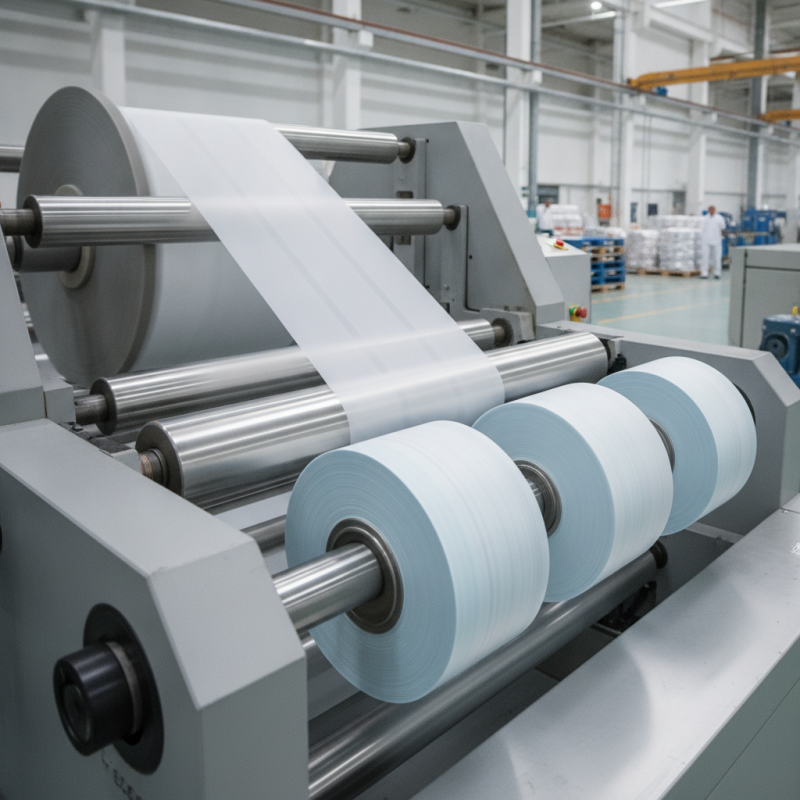
Benefits of Utilizing Rewinding Lines in Manufacturing Processes
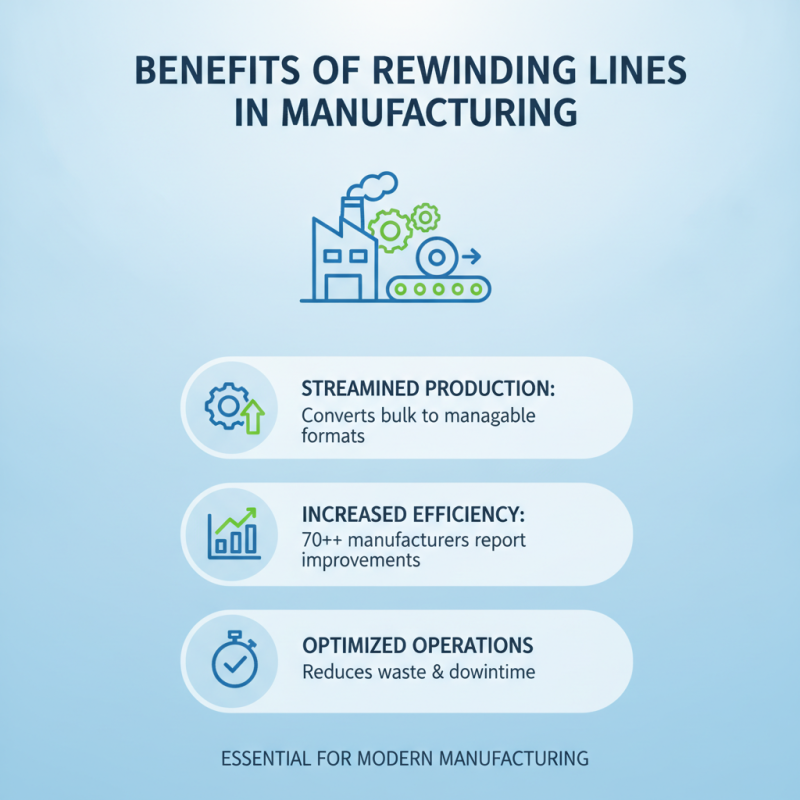
Rewinding lines have become essential for many manufacturing processes, offering significant advantages. These specialized systems streamline production by converting bulk materials into manageable formats. According to industry reports, over 70% of manufacturers recognized increased efficiency when integrating rewinding lines into their operations.
One standout benefit is the enhanced precision in material handling. Rewinding lines improve accuracy in reel sizes and tension control. This precision minimizes waste, allowing manufacturers to save both time and resources. A recent survey showed that factories utilizing rewinding systems reduced excess material waste by nearly 15%. However, transitioning to such systems requires careful planning. Not all facilities may experience the same benefits, indicating a need to evaluate specific production demands.
Maintenance plays a crucial role in the overall performance of rewinding lines. While modern systems are designed for durability, neglecting regular upkeep can lead to significant downtime. Reports indicate that 30% of unplanned maintenance in manufacturing stems from insufficient care. Therefore, investing in operator training is vital for maximizing the benefits of rewinding lines. Ultimately, companies must balance these systems' advantages and challenges to optimize their manufacturing processes.
Key Features of High-Quality Rewinding Line Equipment
When selecting a rewinding line for manufacturing, quality is paramount. High-quality rewinding lines offer critical features that enhance efficiency. These systems typically include precise tension control, ensuring materials are not damaged during the process. A report by Market Research Future highlights that effective tension management can reduce wastage by as much as 15%. This stat underscores the value of investing in quality equipment.
Another essential feature is the adaptability to various substrates. High-quality rewinding lines can process various materials, including paper, film, and foil. This versatility ensures manufacturers can meet diverse customer needs without investing in additional machinery. According to industry studies, manufacturers utilizing adaptable systems have reported production increases of up to 20%.
Reliability in operation is also crucial. Machines that frequently break down lead to increased downtime and loss of revenue. A well-engineered rewinding line will minimize maintenance needs and downtime. According to industry analysts, businesses that prioritize high-quality equipment experience up to 30% lower maintenance costs. This not only boosts profitability but also enhances overall production workflow. Investing in quality demonstrates a commitment to excellence, impacting your bottom line positively.
Benefits of High-Quality Rewinding Line Equipment
Industry Standards and Compliance for Rewinding Lines
When evaluating rewinding lines for manufacturing, industry standards play a critical role. Compliance with these standards ensures efficiency and quality. Manufacturing equipment must meet specific guidelines. This guarantees safety and reliability in operations. Non-compliance can lead to serious consequences. Proper certification verifies that the machinery adheres to established criteria.
Many organizations focus on quality assurance processes. However, not all equipment meets rigorous benchmarks. It’s essential to scrutinize the specifications. The performance of a rewinding line hinges on its design and technology. Regular audits could reveal necessary improvements. Investing in high-quality machinery can sometimes backfire if not thoroughly vetted.
Choosing the right rewinding line involves careful consideration of compliance and industry norms. Failing to comply might result in costly downtimes. Manufacturers must remain vigilant about evolving standards. They need to adapt to stay competitive. Implementation of best practices can enhance productivity. It's an ongoing journey of refinement and adaptation.
Why Choose Rewinding Line for Your Manufacturing Needs? - Industry Standards and Compliance for Rewinding Lines
| Parameter |
Description |
Industry Standard |
Compliance Requirement |
Frequency of Compliance Check |
| Materials Used |
High-quality, durable materials for longevity |
ISO 9001 |
Documentation of materials |
Annually |
| Safety Features |
Emergency stops, protective covers |
OSHA Standards |
Routine safety audits |
Semi-Annual |
| Efficiency Ratings |
Performance metrics on output speed |
ANSI/ISA S95 |
Monthly performance reviews |
Monthly |
| Operator Training |
Training programs for safe and effective operation |
ISO 45001 |
Training records maintenance |
As needed |
| Maintenance Schedule |
Regular preventive maintenance checks |
ISO 55001 |
Maintenance logs |
Monthly |
Case Studies: Successful Implementations of Rewinding Lines in Manufacturing
Rewinding lines have revolutionized manufacturing processes across various industries. One notable case involved a packaging company struggling with production inefficiencies. Their outdated machinery often caused delays. After implementing a modern rewinding line, they reported a 30% increase in throughput. The new system optimized material handling, reducing waste significantly.
Another case study highlights a textile manufacturer. They aimed to improve fabric handling and reduce downtime. Initially hesitant, they decided to invest in a rewinding line. The outcome was impressive. They achieved smoother operations and enhanced product quality. However, some workers had to adapt to new workflows. This adjustment period was challenging but ultimately led to better team performance.
These examples illustrate the tangible benefits of rewinding lines. Still, it’s important to note that the transition is not without hurdles. Manufacturers must invest time in training and adapt to new processes. Failure to address these issues can hinder potential gains. Embracing change, despite initial difficulties, is key for long-term success.