2026 How to Choose Automated Palletizing Equipment for Your Business?
In the realm of logistics, choosing the right Automated Palletizing Equipment is crucial for efficiency. Experts like Dr. Emily Carter, a leading specialist in warehouse automation, emphasize, “Selecting the right equipment can make or break your operational efficiency.” With the growing demand for automation, businesses face numerous options. The choice can be overwhelming.
Many factors come into play when selecting Automated Palletizing Equipment. Different industries require tailored solutions that fit specific needs. For example, the size of goods, packaging types, and production volume are critical considerations. A mismatch in equipment can lead to costly inefficiencies.
Furthermore, it’s essential to assess not only the technology but also the supplier's reliability. A less-known brand may offer cheaper rates, but this could compromise performance. Each business should reflect on their unique requirements. Automated Palletizing Equipment should resonate with operational goals. Balancing cost with functionality will often reveal the need for deeper scrutiny.
Factors to Consider When Choosing Automated Palletizing Equipment
Choosing the right automated palletizing equipment is crucial for optimizing your business operations. One significant factor is the payload capacity. The average palletizer can handle between 30 to 150 cases per minute, depending on the type of products you deal with. If you manage heavier loads, look for equipment with higher capacity ratings.
Another important aspect is flexibility. Equipment that can handle various product shapes and sizes will adapt better to changes in your production line. According to industry reports, over 75% of manufacturers seek versatile solutions to accommodate diverse packaging formats. Additionally, the ease of integration with existing systems is vital. Systems should communicate seamlessly with your warehouse management software for effective tracking and operations.
It's also worth considering the total cost of ownership. While initial costs can be high, analyzing maintenance costs and operational efficiency is essential. Some machines may require frequent servicing, which can add up. A reliable machine with a lower failure rate can ultimately save your business significant amounts in the long run. Not all machines are perfect, and understanding their limitations can aid in making an informed decision.
Automated Palletizing Equipment Selection Factors
Types of Automated Palletizing Systems Available on the Market
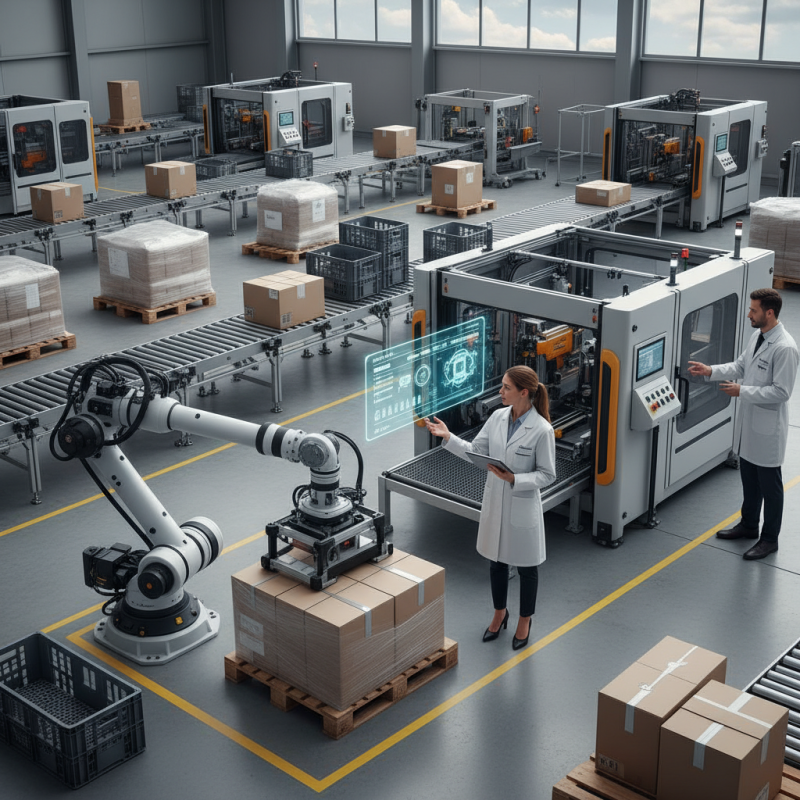
When choosing automated palletizing systems, it's essential to understand the different types available. Each type serves specific needs in various industries. Common systems include robotic, conventional, and hybrid palletizers. Robotic systems use flexible arms for complex stacking. They are ideal for varying product types and sizes. Conventional palletizers typically handle steady volumes efficiently, while hybrid systems combine both technologies.
Tips: Evaluate the types based on your production rate. If your demand fluctuates, consider robotic systems. For consistent output, conventional options may suffice.
Each palletizing system has pros and cons. Robotic systems can be more expensive but offer flexibility. Conventional systems may lack adaptability but excel in speed. Think about long-term costs versus initial investments.
Tips: Analyze maintenance needs as well. Frequent service can lead to downtime and added costs. Ensure the system you choose aligns with your facility’s workflow. Consider how it integrates with existing machinery.
Evaluating Your Business Needs for Palletizing Solutions
When evaluating your business needs for palletizing solutions, consider your product type and production volume. Different products may require specific handling methods. For example, fragile items need more care during packing. High-volume production lines may benefit from speed and efficiency. Yet, finding a balance is crucial. Sometimes, equipment that is too fast can lead to product damage.
Identify your workspace layout as well. The equipment’s footprint is important. Understand the available space and how it will accommodate the palletizer. Too many businesses overlook this, causing workflow disruptions. Effective utilization of space can enhance productivity. Reflect on compliance and safety as well. Your solutions should meet industry standards to avoid fines or legal complications.
Lastly, assess your budget, but don’t compromise on quality. Cheap equipment can lead to higher long-term costs. Investing in robust solutions may initially strain your finances. However, it often results in lower operating costs over time. Rethink your options and choose wisely to ensure long-term success.
Cost-Benefit Analysis of Automated versus Manual Palletizing
When considering automated palletizing, a cost-benefit analysis is crucial. According to a 2023 report from the Robotic Industries Association, automated systems reduce labor costs by up to 30%. This significant saving is often appealing to businesses facing labor shortages. However, initial investments can be substantial, ranging from $50,000 to over $200,000 depending on complexity and throughput needs.
Moreover, while automated systems improve efficiency, they may lead to operational challenges. Businesses must weigh their current production volumes against the system capabilities. For example, if a facility operates less than 500 to 1,000 units per day, manual processes may remain more effective. A study by the International Federation of Robotics indicates that higher initial costs can take three to five years to recover. It’s essential to assess your specific needs and potential production fluctuations.
Another factor is employee morale. Automation may cause anxiety among staff regarding job security. Ensuring a smooth transition is vital. Investing in training programs can help staff adapt to new technologies. Balancing operational efficiency with workforce considerations can ultimately enhance business resilience. The automation journey is nuanced, requiring careful evaluation of economic and human factors.