How to Choose the Best Robotic Palletisers for Your Needs?
In the rapidly evolving landscape of automation, choosing the right Robotic Palletisers can be a crucial decision for businesses. According to a report by MarketsandMarkets, the global robotic palletising market is projected to reach $3.18 billion by 2025, illustrating its significant impact across various industries. This growth reflects the increasing demand for efficiency and precision in logistics and manufacturing.
Industry expert Dr. Emily Carter, a leading authority on automation technology, states, "Selecting the right robotic palletiser can save companies time and resources." This insight highlights the importance of aligning robotic solutions with specific operational needs. A careful analysis of available options can unveil the strengths and weaknesses of different systems.
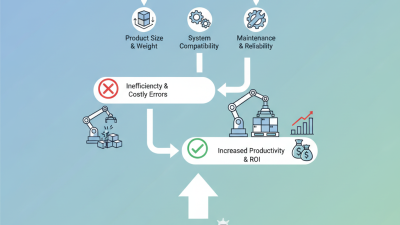
When considering Robotic Palletisers, it’s essential to assess factors such as load weight, speed, and adaptability. Companies might face challenges such as compatibility with existing equipment and the necessity for ongoing maintenance. Each business will have unique requirements and constraints, making the selection process a thoughtful endeavor. Failing to evaluate these aspects could lead to costly errors and inefficiencies.
Understanding the Role of Robotic Palletisers in Modern Warehousing
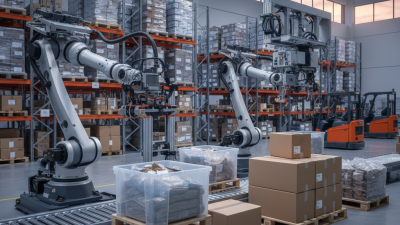
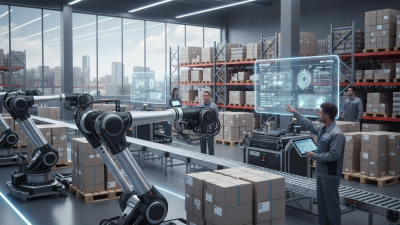
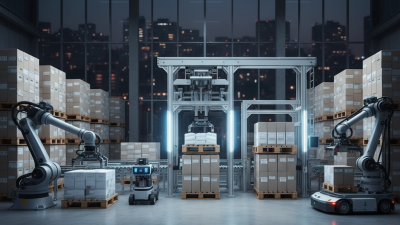
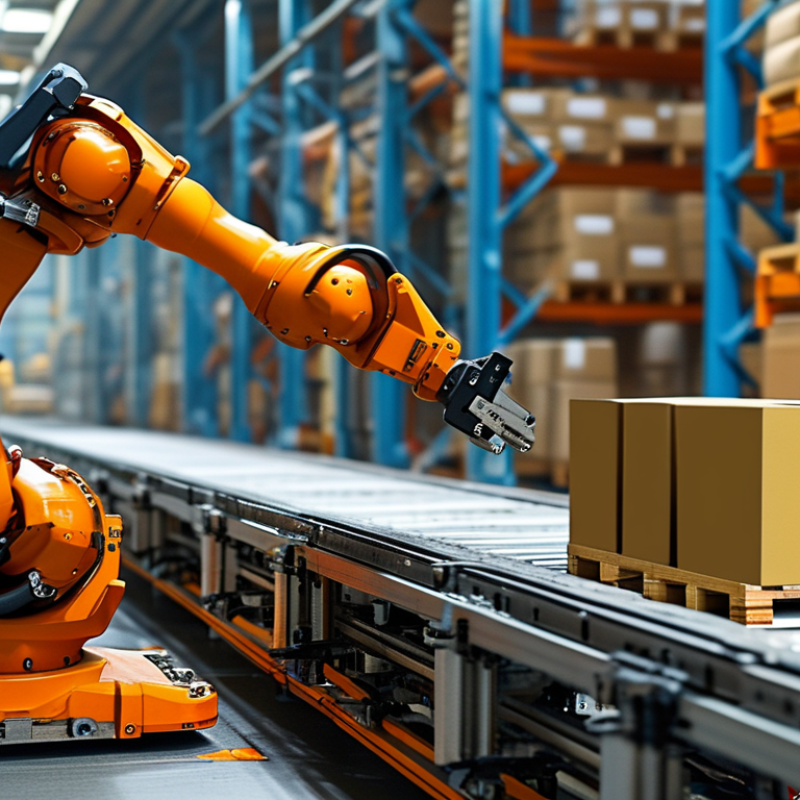
Robotic palletisers have become vital in modern warehousing. They automate the packaging and stacking processes, enhancing efficiency. This technology reduces manual labor and minimizes errors. With increasing demands for speed and precision, companies are turning to robotic solutions.
Understanding how these machines operate is crucial. They utilize advanced sensors and software to identify products and determine optimal stacking patterns. However, navigating this technology isn’t always straightforward. Many users encounter challenges, such as integrating robotic systems with existing workflows. The learning curve can be steep.
Evaluating your specific needs is essential. Consider the size, weight, and type of products you'll be handling. Each warehouse has unique challenges that may affect robotic performance. Some may find that initial investments can be daunting, yet the long-term efficiency gains often justify the costs. Reflecting on these factors will guide you in selecting the best robotic palletiser for your operations.
Key Features to Consider When Selecting a Robotic Palletiser
When selecting a robotic palletiser, several key features deserve close attention. First, consider the payload capacity. Industry reports indicate that the ideal robotic palletiser can handle loads ranging from 20 kg to over 100 kg. Understanding the weight of your products is crucial. A robot that cannot handle your product weight will lead to bottlenecks.
Next, flexibility is vital. Robotic palletisers that can handle various product sizes and shapes can adapt to changing production lines. Research shows that flexible systems can improve overall efficiency by up to 30%. Evaluate the variety of products you pack. If you frequently change the types of products, invest in a robotic system that easily reconfigures.
The speed of operation also matters. High-speed robotic systems can work at rates of up to 120 pallets per hour. However, this speed should align with your production goals. A faster pace might lead to errors without proper checks. Additionally, consider the control system. A user-friendly interface can drastically reduce training time for your operators. Yet, some sophisticated systems may require in-depth knowledge, making training an ongoing challenge. Balancing speed, flexibility, and user-friendliness ensures that your robotic palletiser meets your operational needs effectively.
Evaluating Your Production Needs and Space Requirements
Choosing a robotic palletiser requires careful consideration of your production needs and space requirements. First, assess your current production volume. Are you handling a high output that needs automation? Determine how many pallets you need per hour. This number will guide you in selecting a palletiser with adequate speed and capacity.
Next, analyze your available floor space. Not all robotic palletisers are the same size. Some are compact for limited areas, while others require ample space to operate. Measure your facility and consider the layout. Think about access points and how the equipment will integrate into your existing system. Sometimes, a more extensive model seems appealing but may not fit well into your environment.
Also, reflect on the flexibility you need. A robotic palletiser should adapt to various products and packaging types. If your product range changes frequently, look for a system with adjustable features. Lastly, gather feedback from others in the industry. Their experiences can highlight potential issues you might overlook. This reflective approach helps ensure you select a palletiser that meets both your current and future needs.
How to Choose the Best Robotic Palletisers for Your Needs?
| Criteria |
Description |
Considerations |
| Production Volume |
The total quantity of goods produced. |
Determine if the robot can handle your current and future throughput needs. |
| Payload Capacity |
The maximum weight the robot can handle. |
Assess the weights of the products being palletised. |
| Footprint |
The required space for the palletiser. |
Ensure it fits in your production layout without disruption. |
| Flexibility |
Ability to adapt to different product types and sizes. |
Evaluate if the robot can accommodate changes in product specifications. |
| Integration |
Compatibility with existing systems and equipment. |
Check for ease of integration with existing machinery and software. |
| Ease of Use |
User-friendliness and operator interface. |
Consider training requirements and operator comfort with the system. |
| Maintenance |
Frequency and nature of upkeep needed. |
Evaluate maintenance costs and availability of service. |
Comparing Different Robotic Palletiser Models and Brands
When selecting a robotic palletiser, it’s crucial to compare various models and brands. Each option comes with distinct features, strengths, and weaknesses. Some models excel at speed and efficiency, while others focus on versatility and ease of use. Evaluating these factors can be challenging. However, understanding your specific needs will guide your decision.
Consider the payload capacity of each robotic palletiser. Some units may handle heavier loads, which is essential for manufacturing industries. Yet, others offer flexibility for different-sized packages. Think also about the integration ease with existing warehouse systems. A model that looks great on paper might require extensive training, leading to downtime. Reviews from industry experts can provide insights and user experiences that are invaluable.
Another point to reflect on is maintenance requirements. Robotic systems often need regular upkeep to ensure smooth operation. Models that seem reliable may actually have hidden costs in repairs and parts replacement. User feedback often reveals these nuances over time. Reflecting on such aspects can lead to a more informed choice and potentially save time and money.
Comparison of Robotic Palletiser Models
Assessing Cost-Effectiveness and ROI for Robotic Palletisers
When considering robotic palletisers, cost-effectiveness is paramount. A thorough assessment of initial investment versus long-term savings is essential. Robotics can reduce labor costs significantly. However, evaluating the return on investment (ROI) requires more than just a simple calculation.
It's important to analyze various factors. For instance, operational efficiency is a key area. If a robotic solution can double the output, that’s a compelling reason to invest. Maintenance costs also play a role. Frequent breakdowns can negate any savings from automation. Therefore, reliability is crucial.
Another crucial dimension is flexibility. Will the robotic palletiser adapt to different products? A system that can handle multiple sizes or weights may incur higher upfront costs but provide long-term benefits. Consider the learning curve as well. Implementing new technology often requires training staff, which adds to expenses. Balancing these elements can lead to a clearer picture of cost-effectiveness and ROI.